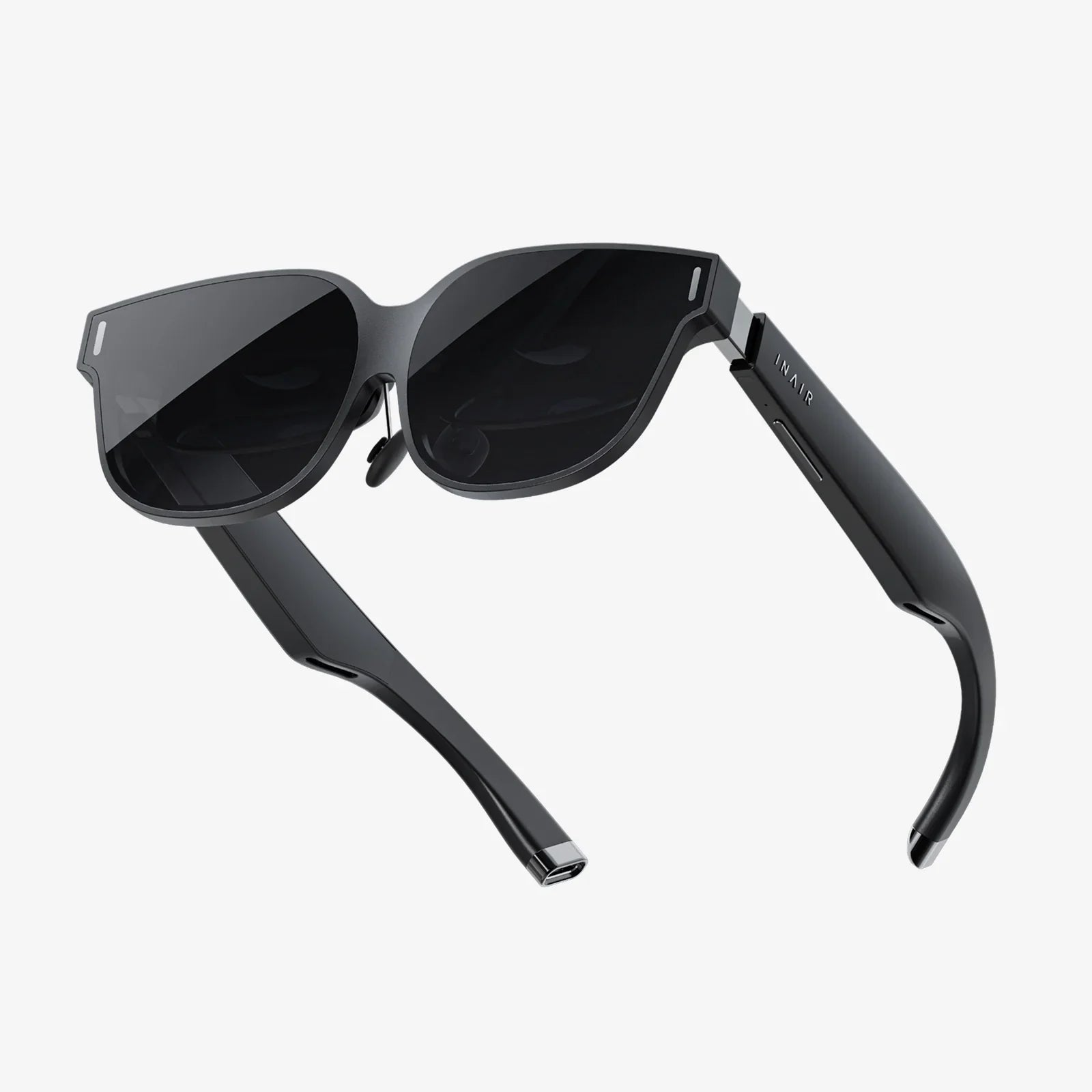
Imagine a world where you can climb Mount Everest before breakfast, perform complex surgery with zero risk, or sit front row at a concert happening on another continent—all without leaving your home. This is no longer the realm of science fiction. Virtual reality has erupted from the pages of novels and into our living rooms, promising unparalleled experiences and efficiencies. But as we eagerly don these headsets and step into these meticulously crafted digital realms, a critical question emerges from the haze of pixels and promise: how is this profound immersion reshaping our very perception of the tangible world we return to? The effects are already being felt, weaving a complex tapestry of revolutionary potential and profound psychological and societal challenges that are blurring the lines between the virtual and the real in ways we are only beginning to understand.
The Psychological Repercussions of a Digital Existence
The most immediate and intimate impact of virtual reality occurs within the human mind. Unlike any technology before it, VR doesn't just command our attention; it hijacks our entire sensory apparatus, convincing our brains that we are physically present in a non-physical space. This phenomenon, known as presence, is the cornerstone of the VR experience and the source of its most powerful effects.
One of the most significant positive applications is in the field of exposure therapy. Individuals suffering from phobias, such as acrophobia (fear of heights) or aviophobia (fear of flying), can now confront their fears within a controlled, safe, and gradual virtual environment. A therapist can guide a patient onto a virtual plank extending from a skyscraper, adjusting the height and intensity in real-time based on the patient's anxiety levels. The brain and body react as if the threat is real—heart rate increases, palms sweat—but the conscious knowledge of safety allows for a powerful therapeutic rewiring of fear responses. Similarly, VR is being used to treat Post-Traumatic Stress Disorder (PTSD) by allowing veterans and others to process traumatic memories in a manageable way.
However, this very power to simulate reality can have a darker side. The concept of simulation sickness, a more intense cousin of motion sickness, is a common physical side effect where the brain struggles to reconcile visual motion with a lack of physical movement. More subtly, users can experience a phenomenon often called VR dissociation or the Proteus Effect. After extended periods in a virtual body (an avatar), users can unconsciously adopt the behaviors and attitudes associated with that avatar. Studies have shown that individuals using taller avatars behave more confidently in negotiations, while those with more attractive avatars exhibit increased sociability. This malleability of self-perception raises questions about identity fragmentation.
Perhaps the most debated psychological effect is the potential for addiction. Virtual worlds offer escape, achievement, and social connection often tailored to be more immediately gratifying than their real-world counterparts. The risk of individuals preferring their curated virtual existence to the complexities and disappointments of physical life is a genuine concern for developers and psychologists alike, echoing warnings found in decades of dystopian fiction.
Revolutionizing Industries and Redefining Work
Beyond the individual, VR is fundamentally altering professional landscapes, creating new paradigms for how we work, learn, and create. The ability to visualize and interact with data and objects in 3D space is proving to be a transformative tool across numerous sectors.
Healthcare and Medicine
In medicine, VR is a revolutionary training tool. Surgeons can practice intricate procedures on virtual anatomies, making mistakes without consequences and mastering techniques before ever touching a live patient. Medical students can take immersive journeys through the human bloodstream or explore a detailed, beating heart, gaining an intuitive understanding of anatomy that textbooks cannot provide. Furthermore, VR is used for pain management, distracting burn victims during painful wound care procedures by immersing them in a calming, icy landscape, effectively reducing perceived pain levels.
Architecture, Engineering, and Design
The design and construction industries have been utterly transformed. Architects and their clients can now walk through a full-scale digital mock-up of a building long before the foundation is poured. They can test sightlines, assess spatial relationships, and identify design flaws that would have remained hidden until construction was underway, saving immense amounts of time and capital. Engineers can assemble and disassemble complex machinery virtually, streamlining the design process and improving safety protocols.
Remote Collaboration and the Virtual Office
The concept of the office is being redefined. VR collaboration platforms allow colleagues from across the globe to meet in a shared virtual space. Instead of staring at a grid of faces on a screen, they are represented as avatars who can gather around a 3D model, write on virtual whiteboards, and interact with holographic data as naturally as if they were in the same physical room. This promises a new level of engagement for remote teams, moving beyond flat video calls into a shared volumetric workspace.
The Social Fabric: Connection and Isolation
Human connection is being renegotiated in the virtual space. Social VR platforms create persistent worlds where people can meet, play games, attend events, and simply hang out. For individuals with social anxiety, disabilities, or geographical isolation, these spaces can be a lifeline, offering a way to build communities and practice social interaction in a potentially less threatening environment. Grandparents can feel like they are truly sitting in their grandchild's living room, despite being thousands of miles apart.
Yet, this digital togetherness presents a paradox. Does a deeply immersive conversation with a friend's avatar across the globe strengthen our bond, or does it ultimately highlight the absence of true physical presence—the warmth of a hug, the subtlety of a shared glance? There is a risk that these convenient digital interactions could erode the motivation for, and value of, face-to-face connection, potentially exacerbating the loneliness epidemic that many argue has been fueled by earlier social media and smartphones. The social contract is being rewritten, and we have yet to understand the long-term consequences of prioritizing pixelated presence over physical proximity.
The Ethical Frontier: New Realities, New Rules
As with any powerful technology, VR introduces a host of ethical dilemmas that society must confront. The data collected in VR is exponentially more intimate than traditional web browsing data; it's biometric data. Headsets can track eye movement, pupil dilation, hand gestures, body posture, and even neural patterns through emerging technologies. This data is a goldmine for understanding human attention and emotion, but it also represents an unprecedented threat to personal privacy. The potential for manipulation through targeted advertising or political messaging based on this physiological feedback is staggering.
Furthermore, the concept of virtual crime is a legal grey area. What are the psychological and legal ramifications of a virtual assault? If an individual is traumatized by an event that occurred to their avatar in a space they know is not real, does it constitute a crime? While no physical harm occurs, the psychological impact can be very real, forcing legal systems to evolve and define new boundaries for personal safety in digital landscapes.
Finally, the issue of accessibility and the digital divide is paramount. High-quality VR requires significant financial investment, potentially creating a society divided not only between those who are online and offline but between those who can experience rich, immersive realities and those who are confined to the default one. This risks creating a new axis of inequality based on access to experiential capital.
The Future is a Blended Reality
The trajectory of VR is not pointing toward a future where we all abandon physical reality for a digital utopia (or dystopia). Instead, the future is likely one of blended reality, where virtual overlays enhance our physical world through Augmented Reality (AR), and virtual spaces are used for specific purposes—work, training, specialized socializing, and entertainment. The key will be intentionality: consciously choosing when to use these powerful tools to enhance our lives and when to set them aside to fully inhabit our physical world.
The technology will continue to advance, becoming lighter, more affordable, and more integrated with our daily lives. The challenge won't be technological; it will be human. It will require us to develop new social etiquette, robust ethical frameworks, and a heightened sense of digital self-awareness. We must be the architects of this new reality, not just its passengers, consciously shaping it to augment our humanity rather than escape from it.
We stand at the precipice of a new dimension of human experience. The glow of the virtual world is not a false light, but a powerful one that casts long and complex shadows across our real lives. Its ultimate effect hinges not on the technology itself, but on the choices we make—the games we play, the connections we prioritize, and the rules we write—as we navigate this thrilling, unsettling, and utterly transformative new frontier. The headset may be a portal, but our values and our choices determine what we bring back through it.