


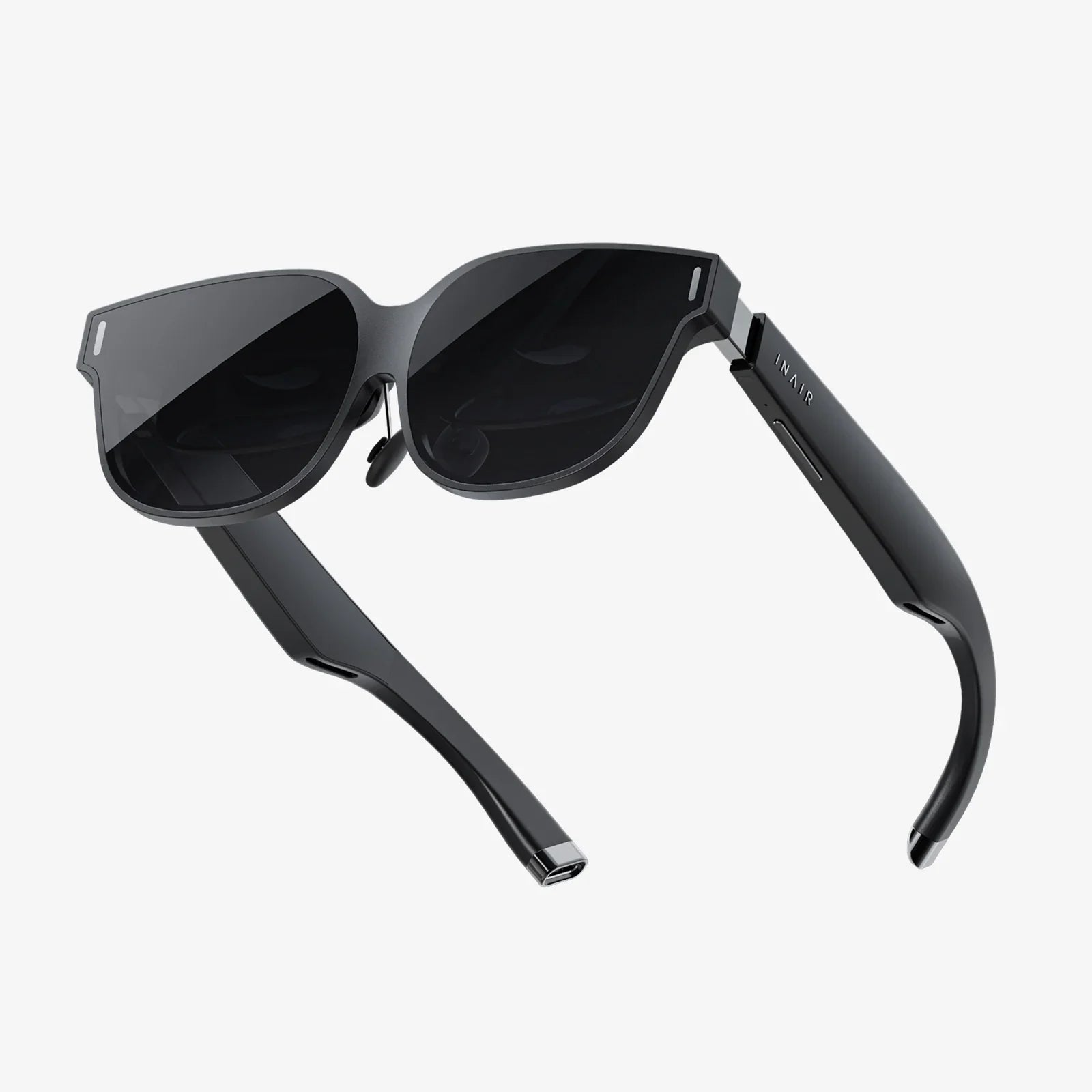
Imagine walking a client through a building that hasn't been constructed yet, training a surgeon on a complex procedure without a cadaver, or holding a global team meeting where it feels like you're all in the same room. This is not a glimpse into a distant future; it is the present-day reality for forward-thinking businesses harnessing the transformative power of Virtual Reality (VR). Once confined to the realms of science fiction and high-end gaming, VR has burst onto the corporate scene, not as a novelty, but as a serious tool driving innovation, efficiency, and competitive advantage. The immersive digital revolution is here, and it is fundamentally rewriting the rules of how we work, create, and connect.
The End of Physical Constraints: Revolutionizing Design and Prototyping
For decades, the design and development process in industries like architecture, engineering, and manufacturing has been shackled by physical and logistical limitations. Creating physical prototypes is notoriously time-consuming, incredibly expensive, and often wasteful. Virtual Reality has emerged as the key to breaking these chains, ushering in an era of digital iteration and immersive visualization.
Architects and real estate developers are among the earliest and most enthusiastic adopters. Instead of relying on blueprints and static 3D models on a screen, they can now strap on a headset and step inside their designs. Stakeholders can take a full-scale virtual walkthrough of a residential complex, a hospital, or an office tower long before the foundation is even poured. This allows for unparalleled assessment of spatial relationships, lighting, and ergonomics. Clients can request changes to layouts, materials, or fixtures in real-time, saving millions in costly post-construction modifications. This immersive preview minimizes errors and ensures the final product aligns perfectly with the vision.
The impact is equally profound in manufacturing and product design. Engineers can create and interact with hyper-realistic 3D models of new products, from complex machinery to consumer electronics. They can virtually assemble components to identify potential fit and interference issues, test ergonomics by simulating human interaction, and even analyze the stress points of a design under various conditions. This process, known as digital twin technology, allows for rapid prototyping without the need for expensive materials or factory tooling. The result is a dramatically accelerated development cycle, reduced material waste, and a superior final product that has been refined in a virtual environment.
Training and Simulation: Learning by Doing, Without the Danger
Perhaps the most impactful application of VR in business is in the realm of training and simulation. Across numerous high-stakes industries, VR provides a safe, controlled, and highly effective environment for employees to learn complex tasks and procedures. The old model of theoretical learning followed by supervised on-the-job training is being replaced by hands-on virtual practice that builds muscle memory and confidence without any real-world risk.
In the healthcare sector, medical students and seasoned surgeons alike are using VR to practice intricate procedures. They can perform virtual surgeries, allowing them to make mistakes and learn from them without ever jeopardizing a patient's life. This technology is also used to train for emergency response scenarios, such as a code blue in a hospital ward, where split-second decisions and perfect teamwork are critical. The ability to repeat these high-pressure scenarios in VR leads to better preparedness and improved patient outcomes.
Heavy industries like oil and gas, aviation, and construction have embraced VR for safety and technical training. Trainees can learn to operate massive cranes, navigate hazardous offshore oil rigs, or practice emergency evacuation procedures—all within the absolute safety of a virtual world. They can experience the consequences of a misstep, like a forklift tipping over or a high-voltage electrical hazard, without any actual injury. This creates a powerful, memorable learning experience that traditional textbooks or videos simply cannot match. Furthermore, VR training is scalable and consistent; every employee, regardless of location, receives the exact same high-quality training experience, ensuring standardized knowledge and adherence to safety protocols across a global organization.
Beyond technical skills, VR is revolutionizing "soft skills" training. Customer service representatives can practice dealing with difficult customers in a simulated retail environment. Corporate managers can hone their public speaking and presentation skills by standing in front of a virtual audience. The applications are limitless, providing a practice ground for any human interaction that is crucial to business success.
The Future of Work: Redefining Remote Collaboration
The global shift towards remote and hybrid work models has exposed a critical weakness in traditional digital communication tools. Video conferencing, while useful, is a poor substitute for the nuanced collaboration and spontaneous creativity of an in-person meeting. Flat screens and gallery views cannot replicate the sense of shared presence. Virtual Reality is poised to solve this problem by creating a new category of collaboration: the immersive meeting space.
VR collaboration platforms transport employees from their isolated home offices into a shared virtual workspace. Instead of staring at a grid of faces on a screen, team members are represented by avatars and can gather around a virtual conference table, stand in front of an immersive data visualization, or brainstorm on a virtual whiteboard that feels tangibly infinite. They can make eye contact, use natural gestures, and experience the subtle social cues that are lost in 2D video. This fosters a much stronger sense of team cohesion and engagement, combating the isolation that often plagues remote workers.
For specialized fields, the benefits are even greater. Global engineering teams can collectively examine a 3D model of a new engine design, walking around it together and pulling it apart to discuss specific components. Architects and their clients can point to specific architectural features during a walkthrough. This level of intuitive, spatial collaboration is impossible with screen sharing alone. By dissolving geographical barriers, VR enables a true "work from anywhere" model without sacrificing the creative and communicative power of being together in a shared space.
Marketing and Customer Engagement: Creating Unforgettable Experiences
In a crowded marketplace, capturing and retaining customer attention is the ultimate challenge. Virtual Reality offers businesses a powerful weapon in this battle: the ability to create deeply engaging, memorable, and emotional experiences that forge a stronger brand connection.
The travel and hospitality industry uses VR to transport potential customers to a sun-drenched beach resort, a secluded mountain cabin, or the deck of a cruise ship sailing through crystal-blue waters. A compelling VR experience is far more persuasive than any brochure or website video, allowing customers to "try before they buy" and significantly increasing conversion rates.
Automotive companies are building virtual showrooms where users can configure their dream car, step inside it, and even take it for a virtual test drive on a scenic road—all from their living room. Retailers are developing virtual stores where customers can browse products in a curated environment or see how a new sofa would look in their actual apartment using augmented reality overlays.
This strategy moves marketing from telling a story to allowing the customer to live it. This emotional resonance builds brand loyalty and creates a powerful differentiator. VR experiences are shared, talked about, and remembered, generating invaluable organic word-of-mouth marketing long after the headset is taken off.
Overcoming Challenges and Looking Ahead
The integration of VR into business is not without its hurdles. The initial investment in hardware and software development can be significant, though the Return on Investment (ROI) through saved costs, increased efficiency, and improved safety is rapidly making the case. Concerns around user accessibility, motion sickness for some individuals, and the need for robust data security in virtual environments are all issues that businesses must address.
However, the trajectory is clear. As the technology continues to advance, headsets are becoming more affordable, comfortable, and powerful. The software for creating VR content is becoming more accessible, moving from specialized coding to more user-friendly development platforms. The evolution towards the metaverse—a persistent network of interconnected virtual spaces—promises to further blur the lines between our physical and digital professional lives.
The businesses that will thrive in the coming decade are those that recognize VR not as a gimmick, but as a fundamental shift in the computing paradigm. We are moving from interacting with information on a screen to being immersed within it. This shift will unlock new levels of human creativity, productivity, and connection. The question for today's leaders is no longer if Virtual Reality will change their industry, but how quickly they can adapt to harness its immense potential and avoid being left behind in a flat, two-dimensional past.
The office of the future may not have four walls, the most valuable training may happen in a digital simulation, and your next product might be sold in a store that doesn't physically exist. The businesses that embrace this immersive future are already building it, and they are creating a formidable advantage that is as real as it gets.
Share:
Full Virtual Reality: Stepping Into the Next Digital Dimension
Virtual Reality Thing: The Unseen Revolution Reshaping Our World