


- by wangfred
How Virtual Reality Technology Works: A Deep Dive Into Simulating Reality
- by wangfred
Have you ever strapped on a headset and been instantly transported to another world—soaring over mountain ranges, standing on the surface of Mars, or facing down a mythical beast? That moment of pure, unadulterated immersion is the magic of virtual reality (VR). But behind that magic lies a fascinating symphony of advanced technology, meticulously engineered to hijack your senses and convince your brain that the impossible is real. The journey from putting on a device to believing in a digital universe is a complex dance of physics, computer science, and human biology. Understanding how this technological marvel operates reveals not just the inner workings of a device, but the very nature of human perception itself.
At its core, the entire purpose of VR technology is to generate a state known as "presence." Presence is the undeniable, subconscious feeling of being physically located in a virtual environment. It’s the point where your logical mind, which knows you're wearing a headset in your living room, is overruled by your perceptual systems. Achieving this is the holy grail of VR development, and it requires a multi-sensory, coordinated attack on the human senses, primarily sight and sound, with increasing sophistication in touch and even smell.
VR doesn't happen with software alone. It requires a suite of hardware working in perfect harmony to create and sustain the illusion.
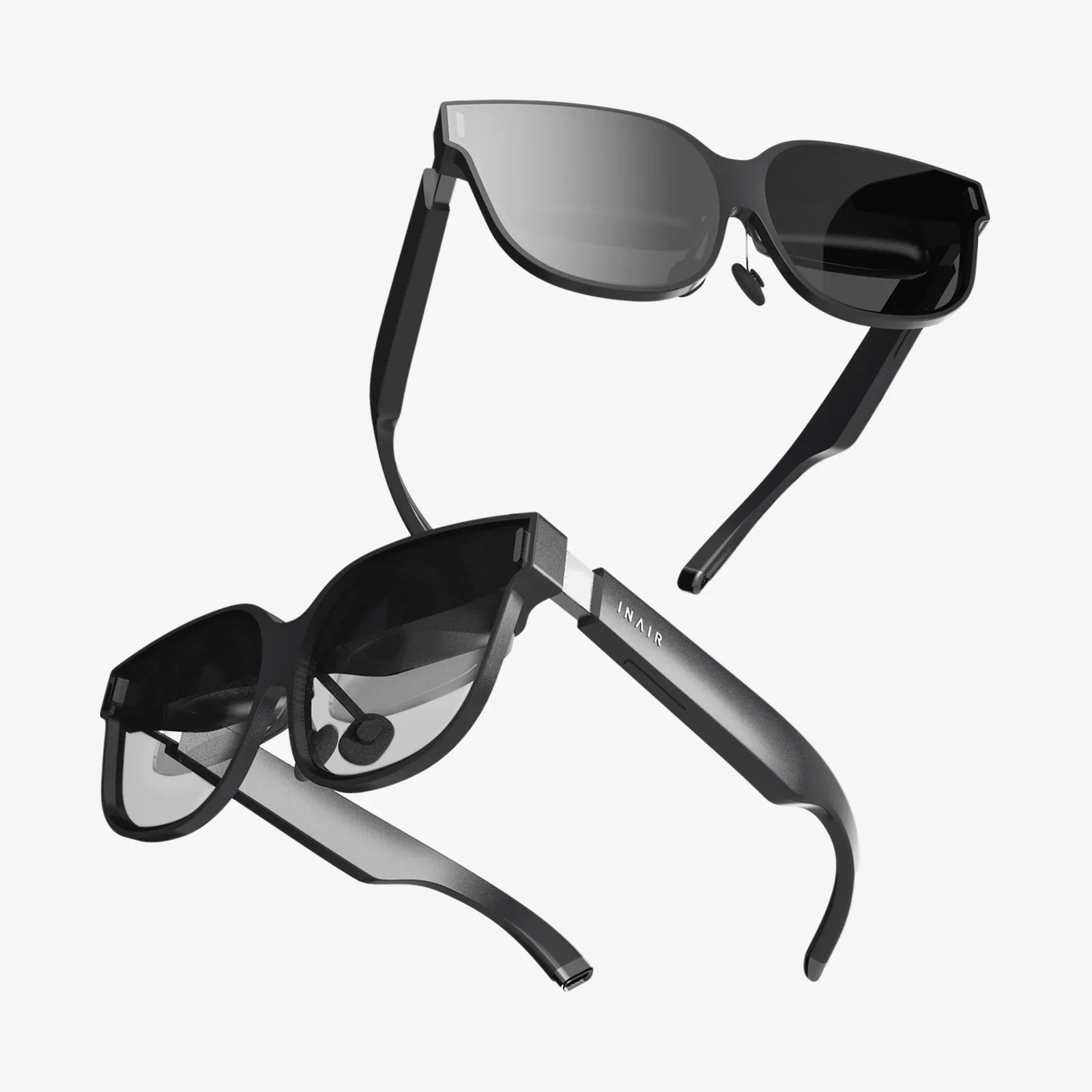
The most recognizable piece of VR hardware is the head-mounted display, or HMD. This is not merely a screen strapped to your face; it's a sophisticated visual delivery system. Inside the HMD are several key components:
While the IMUs handle rotation, tracking your precise position in a physical room (translational movement: leaning, crouching, walking) is handled by a separate system. There are two primary methods:
Presence is shattered if you look down and don't see hands or can't interact with the world. VR controllers are tracked by the same systems that track the HMD, allowing them to be represented as hands, tools, or weapons in the virtual space. They are equipped with buttons, joysticks, and triggers for input. More importantly, they feature haptic feedback—small motors that provide precise vibrations. This tactile sensation sells interactions, from the gentle buzz of picking up an object to the jarring recoil of a virtual weapon.
Hardware is useless without software to drive it. The software side of VR is a monumental task of real-time graphics and physics simulation.
VR rendering is exponentially more demanding than traditional flat-screen graphics. The GPU must render two distinct, high-resolution images—one for each eye—at the same time. These two images are slightly offset, mimicking the binocular disparity of human vision, which is the primary cue our brain uses to perceive depth. To maintain presence, this must be done at a minimum frame rate of 90 frames per second (FPS), with many modern systems aiming for 120Hz or higher. Any lag or stutter can break immersion and cause discomfort.
Latency is the delay between your physical movement and the corresponding update on the screen. In VR, high latency is the primary cause of motion sickness. The entire system—from sensor detection, to GPU processing, to the screen's pixel response time—is engineered to minimize this motion-to-photon latency. The target is often less than 20 milliseconds, a threshold below which the human brain generally accepts the virtual world as responsive and real.
Immersive 3D audio is just as critical as visual fidelity for selling the illusion. VR audio systems use a technique called head-related transfer function (HRTF). HRTF models how sound waves from a source interact with the unique shape of a person's head, ears, and torso before reaching the eardrum. By processing sound through an HRTF algorithm, audio can be made to seem like it's coming from any specific point in 3D space—above, behind, or far away. This means you can hear an enemy creeping up behind you or a bird chirping from a specific tree branch, adding a powerful layer of spatial awareness.
All this technology is designed for one audience: the human brain. VR is essentially a carefully orchestrated illusion designed to exploit the way we perceive the world.
As mentioned, stereoscopic vision is key. However, VR introduces a unique problem called the vergence-accommodation conflict. In the real world, when your eyes converge (verge) on a nearby object, they also automatically focus (accommodate) on it. In VR, your eyes verge on a virtual object that appears to be near or far, but they must always accommodate on the fixed plane of the physical screen just inches away. This sensory mismatch is a major source of eye strain and discomfort, and solving it with varifocal lenses is a major area of ongoing research.
Your vestibular system in your inner ear is your primary organ for balance and spatial orientation. Motion sickness occurs when there is a disconnect between what your eyes see and what your vestibular system feels. In VR, if you see your avatar running (visual movement) but your body is stationary (vestibular stillness), this conflict can trigger nausea. Developers use clever software techniques like "vignetting" (temporarily darkening the periphery of vision during movement) to mitigate this effect.
The technology is advancing at a breathtaking pace. We are moving towards higher resolutions, wider fields of view, and lighter, wireless form factors. Eye-tracking technology is becoming integrated, allowing for foveated rendering—where the GPU focuses its power only on the precise spot where the user is looking, rendering the periphery at lower detail, thus massively improving efficiency. Haptics are evolving beyond simple vibration into full haptic suits and gloves that provide pressure and force feedback, enabling users to truly "feel" virtual objects. Research into direct neural interfaces, while far off, hints at a future where virtual experiences could engage all senses directly, bypassing external hardware entirely.
Ultimately, the intricate dance of how virtual reality technology works is a testament to human ingenuity. It’s a field where optical engineering, high-performance computing, and a deep understanding of cognitive neuroscience converge to create experiences that were once the domain of science fiction. This relentless pursuit of perfect immersion continues to blur the line between the digital and the physical, challenging our very definitions of reality and opening up new universes of possibility for entertainment, connection, and exploration. The next time you step into a virtual world, take a moment to appreciate the astonishing technological symphony working in perfect harmony to make you believe.