


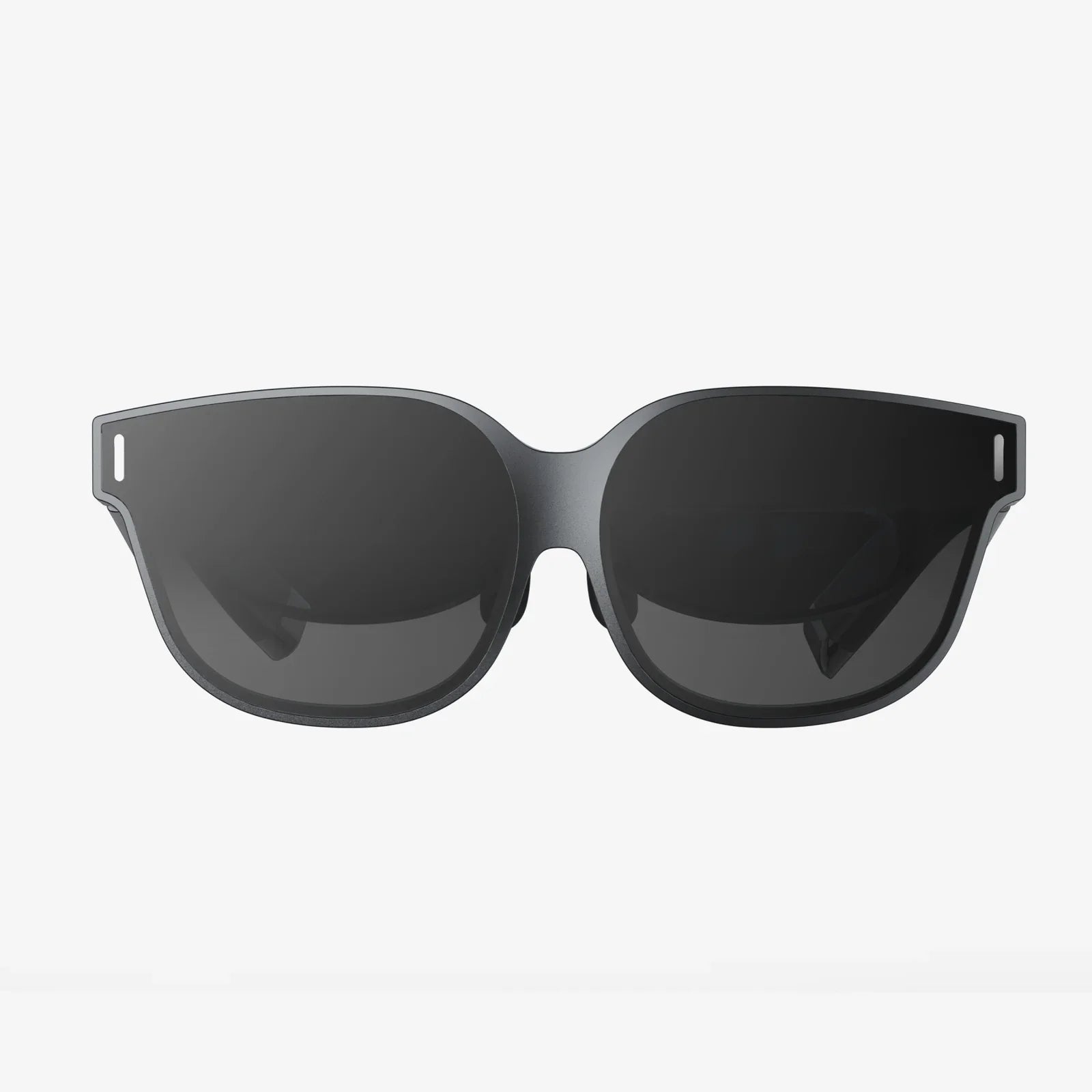
Imagine a world where the boundaries of physical space dissolve, where you can walk on Mars before breakfast, perform complex heart surgery at noon, and sit front row at a concert on the other side of the globe by evening. This is not a distant science fiction fantasy; it is the imminent future being built today through the rapid evolution of virtual reality technology. The question is no longer if VR will integrate into our lives, but how this profound technological shift will irrevocably change what it means to be human, to connect, and to experience the world around us.
The End of Geography: Redefining Presence and Connection
For millennia, human interaction has been tethered to physical proximity. Virtual reality promises to sever this tether, initiating what many technologists call "the end of geography." The core offering of advanced VR is not just visual immersion, but the genuine sensation of presence—the neurological trick that convinces your brain you are somewhere you are physically not.
This will revolutionize social connection. Instead of flat, disembodied video calls, families separated by oceans could gather in a virtual living room, sharing the same digital space, reading stories to grandchildren, or simply sharing a meal with avatars that convey body language and eye contact. Friends could "meet up" to watch a movie in a private virtual theater, feeling as though they are sitting side-by-side. The potential to combat loneliness and isolation is staggering, offering new avenues for meaningful connection that transcend zip codes and time zones.
Yet, this hyper-connectivity carries a paradox. As we become more present in virtual spaces, will we become less present in our physical ones? The risk of "social atrophy" in the real world is a genuine concern. If all our deepest connections exist in a flawless digital realm, will the messiness and imperfection of face-to-face interaction lose its value? The technology that could unite a global family might also isolate the individual sitting alone in a room with a headset, challenging our very definition of community and togetherness.
The Transformation of Work and the Virtual Office
The corporate world is already experimenting with the metaverse, and the implications for the future of work are profound. The traditional office, a concept largely unchanged for a century, is poised for its biggest disruption since the internet.
Imagine a design team spread across four continents collaborating on a 3D model of a new building, able to walk through it at full scale together, pointing out flaws and making adjustments in real-time as if they were on a physical site. Surgeons could guide less experienced colleagues through complex procedures from thousands of miles away, their avatars "standing" next to them in the operating room. This level of collaborative fidelity far surpasses what is possible with today's video conferencing tools.
This shift will democratize opportunity. Talent will be hired based on skill, not location, freeing companies and employees from the constraints of geography. It could also lead to a radical reduction in business travel and its associated environmental cost. However, it also blurs the line between work and home life further. When your office is a headset away, the pressure to be "always on" could intensify. Furthermore, new forms of workplace monitoring and performance analytics based on avatar interaction and engagement metrics could raise significant ethical questions about privacy and employee autonomy.
The Future of Learning: From Textbooks to Experiential Immersion
Education stands to be one of the greatest beneficiaries of virtual reality. The move from passive learning to active experiencing could fundamentally rewire how we acquire knowledge and develop skills.
Instead of reading about ancient Rome, students could don a headset and stroll through a meticulously reconstructed Forum, hearing the sounds of the city and witnessing historical events unfold around them. Medical students could practice intricate surgical procedures on virtual patients, making mistakes without consequence and mastering muscle memory in a risk-free environment. Astronomy classes could become interstellar voyages, with students piloting a ship through the rings of Saturn.
This experiential learning promotes deeper empathy and understanding. History becomes a lived experience rather than a list of dates. Complex scientific concepts become tangible and visual. For students with different learning styles, particularly kinesthetic learners, VR could be the key that unlocks their potential. The challenge will be ensuring equitable access to this powerful tool to avoid creating a wider educational divide between those who can afford immersive tech and those who cannot.
The New Frontiers of Entertainment and Storytelling
Entertainment will evolve from something we watch to something we inhabit. The passive audience member will become a thing of the past.
Filmmaking will transform into "world-building," where directors create narratives that unfold around the participant. You might choose to follow the hero on their quest, or you might wander off and explore a side character's story, becoming an active participant in the plot. Live events like concerts and sports will offer impossible perspectives—watching a basketball game from a virtual camera floating above the hoop or standing on stage next to your favorite musician during a performance.
This creates unparalleled emotional engagement but also challenges the traditional role of the author. When every participant has a unique journey, can there be a singular, cohesive narrative? Furthermore, the intensity of these experiences could be overwhelming, potentially desensitizing users to more traditional, subtle forms of entertainment and altering our expectations for stimulation and engagement.
The Psychological and Neurological Impact: Reshaping the Self
The most profound changes VR will bring may be internal, occurring within our own minds. Our brains are highly adaptable organs, and prolonged exposure to virtual environments will undoubtedly leave a mark.
Studies have already demonstrated the "Proteus Effect," where the appearance of our avatar influences our behavior and self-perception in the real world. embodying a heroic avatar can make a person more confident and assertive outside of VR. This presents incredible therapeutic potential. VR exposure therapy is already being used to treat PTSD, phobias, and anxiety disorders by allowing patients to confront their fears in a safe, controlled setting.
However, the potential for negative psychological effects cannot be ignored. "VR dissociation" or a "metaverse hangover" could occur as our brains struggle to reconcile the rules of the virtual world with those of the physical one. More concerning is the potential for identity fragmentation. If we can be anyone and anywhere at any time, does our real-world self become just one of many personas? The long-term effects on memory, attention span, and our fundamental grasp on a shared reality are still unknown and represent a vast frontier for neurological and psychological research.
Navigating the Ethical Minefield
With such transformative power comes immense responsibility. The development of the virtual realm is fraught with ethical dilemmas that society must confront.
Privacy and Data: VR headsets can collect a staggering amount of biometric data—eye tracking, gait analysis, vocal inflection, even emotional responses. Who owns this data? How will it be used? The potential for manipulation and targeted advertising is unprecedented.
Safety and Harassment: The visceral sense of presence means that virtual harassment and assault can feel terrifyingly real. Establishing norms, laws, and safety tools (like personal space bubbles and effective reporting systems) is crucial for building healthy digital communities.
Economic and Social Inequality: Will access to high-quality VR become a new class divider? The risk of a "real-world poverty" where those who cannot afford to escape their physical circumstances are left behind in an increasingly virtual economy is a serious concern.
Reality Blurring: As simulations become more perfect, how will we distinguish them from reality? This has philosophical implications for truth and trust, and practical implications for everything from legal evidence to personal relationships.
The path forward requires proactive and thoughtful collaboration between technologists, ethicists, psychologists, and policymakers. We must build the guardrails for this new technology before it reaches breakneck speed, ensuring that the virtual world we create amplifies our humanity rather than diminishes it.
The doorway to a new layer of human existence is opening. Virtual reality technology is not merely a new gadget; it is a gateway, a mirror, and a canvas. It will challenge our deepest assumptions about connection, identity, and reality itself, offering breathtaking opportunities for progress while presenting formidable risks we are only beginning to comprehend. The ultimate change it brings won't be dictated by the technology alone, but by the choices we make today in shaping it. The virtual world is what we dare to make it—will we have the wisdom to build a future that reflects our highest aspirations, not just our digital fantasies?
Share:
Virtual Reality Security Concerns: Navigating the Unseen Risks of Immersive Technology
What Is 3D Virtual Reality? A Deep Dive Into The Digital Frontier