


- by wangfred
How Would You See Virtual Reality in the Future: A Glimpse Into the Next Digital Epoch
- by wangfred
Imagine a world where the boundaries between the physical and the digital don't just blur—they vanish. A world where you can walk with dinosaurs, perform intricate heart surgery from your living room, or sit front row at a concert happening on another continent, all feeling as real as the device you're using to read this now. This isn't a distant sci-fi fantasy; it's the breathtaking trajectory of virtual reality, and its future is poised to fundamentally reshape every facet of human experience. The question is no longer if this will happen, but how profoundly it will transform our lives, our work, and our very perception of reality.
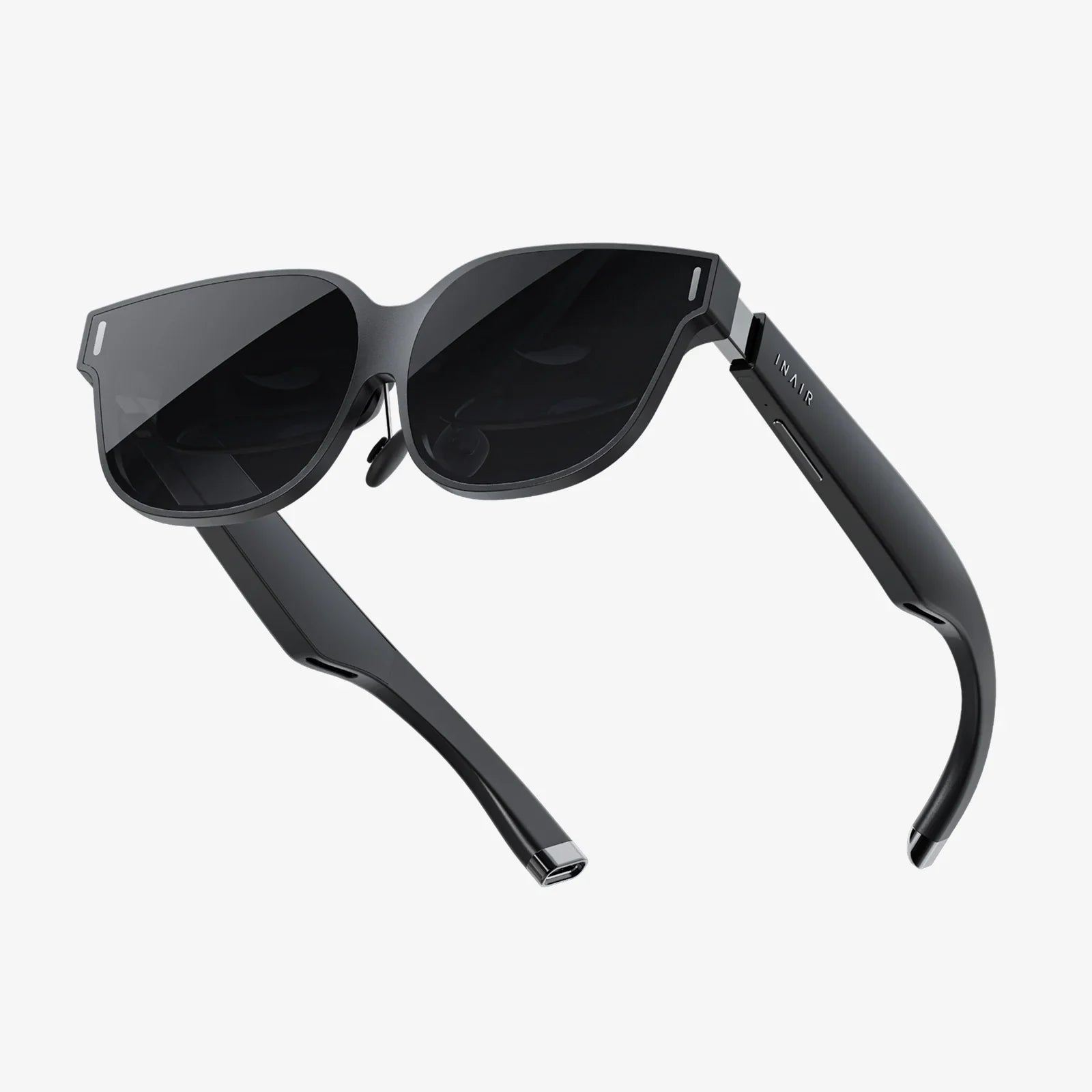
The most immediate and visceral evolution in VR's future lies in the hardware itself. The bulky, tethered headsets of today will become relics, replaced by sleek, lightweight form factors that are as comfortable as a pair of sunglasses. The pursuit of visual fidelity will reach a crescendo, with displays boasting resolutions so high that the human eye cannot distinguish pixels, effectively achieving what is known as the "retinal resolution." This will eliminate the screen-door effect entirely, creating a seamless visual field.
But the revolution extends far beyond sight. The future of VR is multisensory. Haptic feedback suits will evolve from niche novelties to sophisticated garments capable of simulating a vast spectrum of tactile sensations—from the gentle brush of a butterfly's wing to the crushing pressure of deep ocean water. Advanced force-feedback mechanisms will allow users to feel the weight and resistance of virtual objects, making digital interactions tangibly real. Companies are already pioneering technologies for olfactory and gustatory simulation, meaning you might one day smell the rain in a virtual forest or taste a digitally rendered meal.
Hardware is merely the gateway; the true magic will happen in the software and the interconnected digital universes we build. The term "metaverse" has been widely circulated, but its future form will be far more sophisticated than current interpretations. We are moving towards a spatial web or a mirrorworld—a 1:1 digital twin of our entire planet, constantly updated with real-time data.
This isn't just one platform but a constellation of interconnected virtual spaces, much like the internet today. You will have a persistent digital identity or avatar that can travel seamlessly from a hyper-realistic business meeting room to a fantastical game world, all while maintaining your digital assets and social connections. This will transform social interaction. Distance will become meaningless as we gather in photorealistic virtual environments for family dinners, concerts, or casual hangouts, reading each other's body language and micro-expressions with near-perfect accuracy through advanced facial and eye tracking.
The enterprise and industrial applications of future VR are staggering. We are entering an era of dematerialization, where physical prototypes, expensive machinery, and even entire factories can first be built, tested, and perfected in virtual space.
Education will undergo its greatest transformation since the invention of the printing press. The future of learning is experiential. Instead of reading about ancient Rome, students will stroll through a faithfully reconstructed Forum, hearing the sounds of the marketplace and witnessing historical events unfold around them. Biology classes will involve shrinking down to a cellular level to witness DNA replication firsthand. This "learning by living" approach will cater to all learning styles and make education profoundly engaging and unforgettable.
Looking further ahead, the ultimate goal for VR is to interface directly with the human nervous system. Brain-Computer Interfaces (BCIs) are already in early development, aiming to read neural signals and translate them into digital commands. In the distant future, this could lead to a VR experience that is not delivered through our senses but is generated within our consciousness. This would be the final step in achieving true presence—a virtual reality indistinguishable from base reality, where you could feel the virtual sun on your skin not because a haptic suit simulates it, but because your brain is convinced it is real.
Such profound power does not come without equally profound challenges. The future of VR will force us to confront thorny ethical dilemmas:
The path forward requires a collaborative effort from technologists, ethicists, policymakers, and society at large to ensure this technology elevates humanity rather than diminishes it.
The future of virtual reality is not a predetermined destination; it's a vast, uncharted ocean of possibilities waiting to be explored. It promises to break the chains of physical limitation, unlocking new dimensions of human creativity, connection, and understanding. The headset of tomorrow is more than a device; it's a passport to infinite experiences, a tool for monumental change, and a mirror reflecting both our greatest technological ambitions and our deepest responsibilities. The virtual frontier is calling—are you ready to see what we will become?