


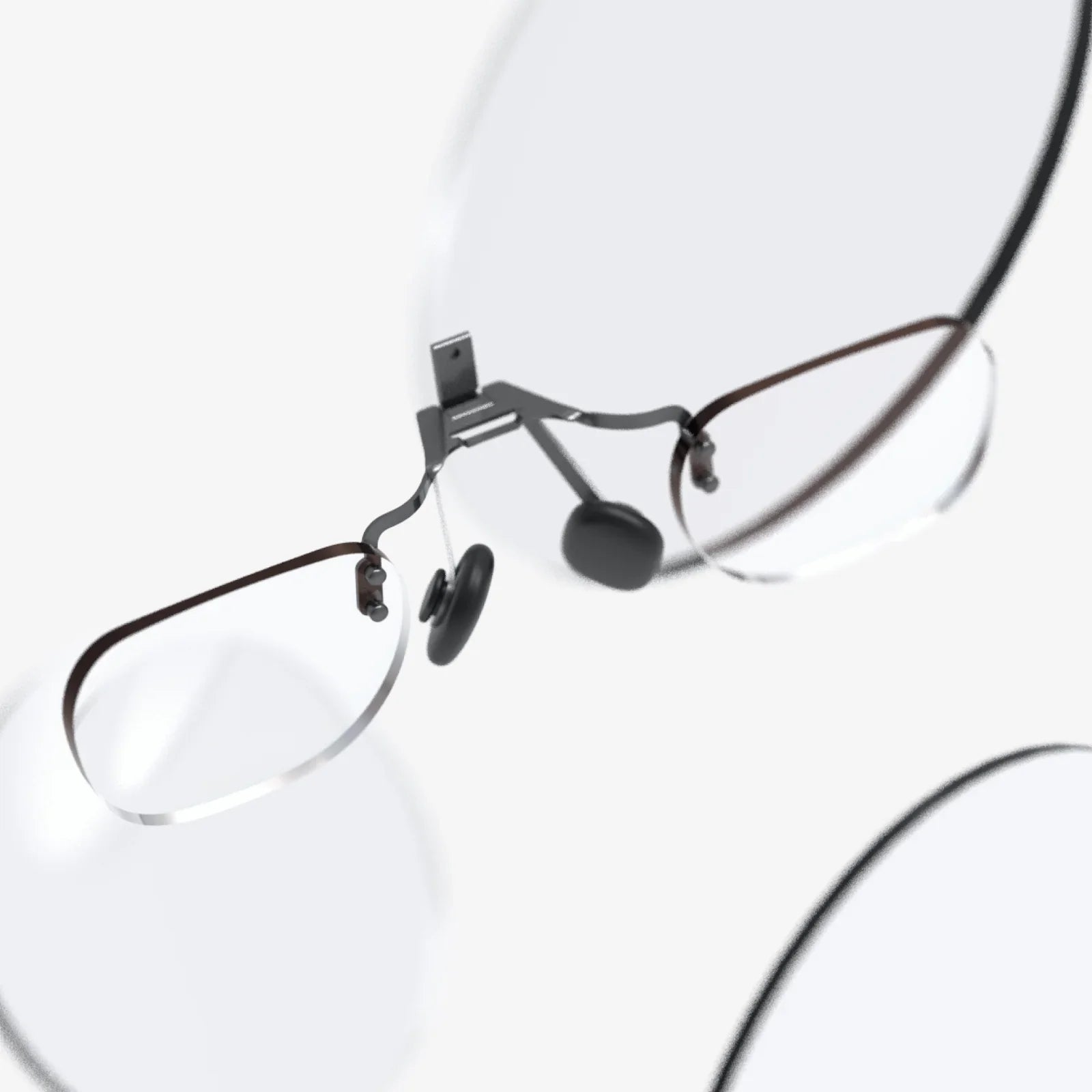
Imagine stepping through a portal into another reality, where the confines of your physical room dissolve into a boundless digital universe, and the screen isn't just in front of you—it is all around you. This is the promise, the allure, and the breathtaking reality of Huge Screen VR, a technological leap that is redefining our very concept of presence, entertainment, and work. It’s more than just a gadget; it's a gateway to experiences previously confined to the realms of science fiction, offering a glimpse into a future where the digital and physical worlds are seamlessly intertwined.
The Architecture of Immersion: What Makes a Screen "Huge"?
The term "huge screen" in the context of VR is a profound understatement. Unlike a traditional television or monitor, which occupies a fixed, rectangular portion of your field of view, a true huge screen VR experience aims for something far more ambitious: complete visual immersion. This is achieved not by the physical size of a panel, but through a sophisticated combination of optics, software, and high-resolution displays.
At its core, the system relies on a head-mounted display (HMD) featuring two high-density micro-OLED or LCD screens, one for each eye. These panels are packed with pixels, often exceeding 4K resolution per eye, to eliminate the "screen door effect"—that distracting grid of lines between pixels that plagued earlier VR iterations. The key to the "huge" feeling lies in the lenses and the field of view (FOV). A wide FOV, typically striving for 100 degrees or more, is crucial. It's the difference between looking through a window and feeling like you're actually standing in the environment. Advanced pancake lenses focus the light from these displays, creating a sharp, clear image that feels expansive and limitless, effectively wrapping your entire peripheral vision in digital content.
Beyond Gaming: The Expansive Applications of Immersive Technology
While gaming is the most celebrated and consumer-friendly application, the implications of huge screen VR extend far beyond conquering virtual dungeons or racing on digital tracks. This technology is poised to revolutionize numerous professional and creative fields.
Remote Collaboration and the Virtual Office
The concept of the office is being fundamentally reshaped. Huge screen VR enables the next evolution of remote work: presence. Instead of a grid of faces on a flat screen, teams can gather in a meticulously designed virtual boardroom, a serene beach, or even the surface of Mars. Avatars with advanced motion tracking allow for natural body language and interaction. Colleagues can co-create on 3D models, manipulate massive data visualizations that float in the air around them, or brainstorm on an infinite whiteboard. This isn't just a video call; it's a shared experience that replicates the nuance and spontaneity of in-person collaboration, erasing geographical barriers without sacrificing human connection.
Education and Training
Learning is transformed from a passive activity into an active, experiential journey. Medical students can practice complex surgical procedures on detailed virtual anatomies, making mistakes without consequence. History students can walk through ancient Rome, witnessing the construction of the Colosseum firsthand. Mechanics can train on the intricate systems of a jet engine, taking it apart and reassembling it virtually. This learning-by-doing in a risk-free, highly immersive environment dramatically improves knowledge retention and skill acquisition.
Design and Architecture
For architects, engineers, and interior designers, huge screen VR is the ultimate tool. They can step inside their creations long before the first brick is laid. They can experience the scale of a room, test sightlines, and assess how natural light will flood through a virtual window at different times of day. This allows for iterative design changes based on genuine human experience, leading to spaces that are not only structurally sound but also intuitively comfortable and aesthetically perfect.
Cinema and Social Experiences
The traditional movie theater is reimagined. Why watch a film on a 50-foot screen when you can be inside it? Virtual cinemas allow users to watch 2D, 3D, and 180-degree immersive films on a screen that feels stories high. More importantly, it's a social activity. Friends from across the globe can sit next to each other in a virtual theater, their avatars sharing popcorn and reacting to the film in real time. Live events, from concerts to sports, can be attended from the best seat in the house, offering perspectives and a sense of crowd energy that a standard broadcast cannot match.
The Human Factor: Comfort, Accessibility, and the Path to Mainstream Adoption
For all its potential, the path to widespread adoption of huge screen VR is paved with human-centric challenges. The first is comfort. Early headsets were often heavy, cumbersome, and could cause motion sickness or eye strain. The latest generation has made significant strides with better weight distribution, improved ventilation, and more sophisticated display technology that reduces latency—a key culprit of simulator sickness. Wireless functionality is also critical, as a trailing cable instantly shatters the illusion of freedom.
Accessibility is another major hurdle. The cost of high-end hardware, while decreasing, remains a barrier for many. Furthermore, the user interface and experience must be intuitive enough for a non-technical user to pick up and enjoy without a lengthy setup or tutorial. The industry is actively working on solutions like inside-out tracking (which eliminates external sensors) and more natural hand-tracking controls to make the technology feel like a natural extension of the user rather than a complex piece of equipment.
Gazing into the Crystal Ball: The Future of Huge Screen VR
The technology we see today is merely the foundation for an even more astonishing future. Several key developments are on the horizon that will further blur the line between reality and simulation.
Varifocal displays will dynamically adjust their focus based on where the user is looking, mimicking the natural behavior of the human eye and eliminating the vergence-accommodation conflict that can cause discomfort. Haptic feedback suits will move beyond simple controller vibrations to provide full-body tactile sensations, allowing you to feel virtual rain, wind, or the touch of another person. Advancements in artificial intelligence will power hyper-realistic digital humans and environments that respond intelligently to user behavior.
Ultimately, the goal is the concept of the "metaverse"—a persistent, interconnected network of virtual spaces. Huge screen VR will be the primary window into this new frontier of the internet, a place for work, play, commerce, and socializing on an unprecedented scale. It won't replace the physical world, but rather augment and enrich it, offering new dimensions for human expression and connection.
The journey into the virtual is just beginning. With each technological breakthrough in display clarity, field of view, and interactive feedback, huge screen VR sheds another layer of its technological artifice, moving us closer to a future where the only limit is the imagination. This isn't just about watching content; it's about living within it, and that fundamental shift promises to be one of the most defining technological narratives of our time. The door to these vast new worlds is now open, waiting for you to take that first step through and see what lies on the other side.
Share:
Wearable Technology Price - The True Cost of Connecting Your Life
Wearable Technology Price - The True Cost of Connecting Your Life