


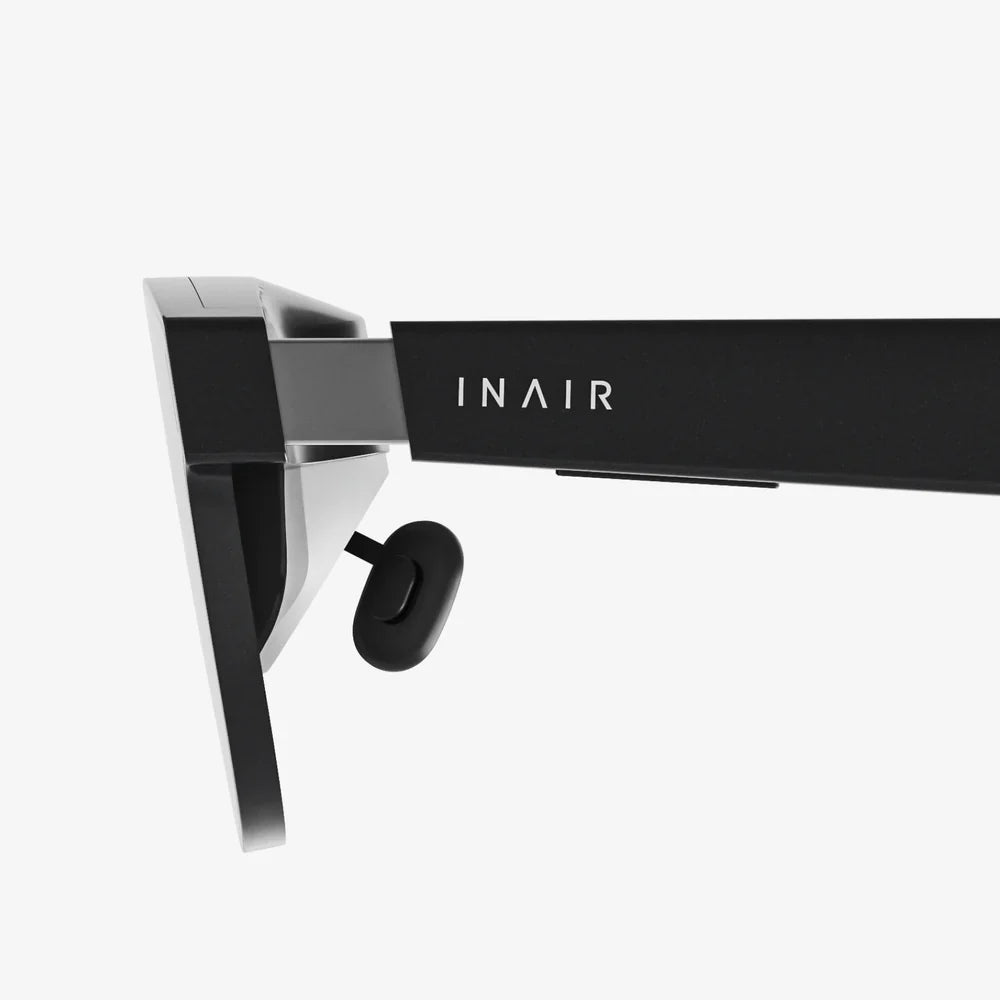
Imagine a world where your technology doesn't demand your attention but anticipates your needs, where it enhances your human experience without chaining you to a screen, and where the very device on your body understands context, not just data. This isn't a distant science fiction fantasy; it's the emerging reality promised by the next generation of humane wearable devices. This shift represents a fundamental rethinking of our relationship with technology, moving from a paradigm of command and control to one of subtle assistance and empathetic support.
The Genesis of Wearables: From Quantification to Integration
The journey of wearable technology began with a simple, powerful idea: quantifying the self. Early iterations were primitive, focused on collecting basic metrics like step counts and heart rate. They were tools of measurement, often clunky and obtrusive, requiring deliberate interaction through small, frustrating screens. The relationship was transactional; the user requested data, and the device provided it. This was a crucial first step, but it was inherently limited. It treated the human body as a data source, a collection of biological signals to be logged and analyzed.
This era of quantification, while popular, revealed a critical flaw. Many users experienced "data fatigue," a sense of being overwhelmed by numbers that lacked meaningful context. A graph of sleep stages is interesting, but without insight into how to improve those stages, its utility is limited. The technology was smart, but it wasn't wise. It could tell you what was happening, but rarely why or what to do about it. This gap between data and actionable, human-understandable insight is precisely where the concept of a humane wearable device begins to take root.
Defining the "Humane" in Technology
So, what exactly elevates a device from merely being "wearable" to being "humane"? It is not a single feature but a foundational design philosophy. A humane wearable device is characterized by several core principles that prioritize the human experience above all else.
Contextual Awareness and Ambient Computing
A key tenet of humane design is moving away from constant notifications and screen-based interactions toward ambient computing. The device operates in the background, sensing and processing information from its environment and the user's body without requiring active engagement. It understands context. For instance, it knows if you are in a deep conversation, driving a car, or sleeping, and it modulates its interactions accordingly. Instead of a jarring ringtone during a meeting, it might provide a subtle, silent haptic pulse on your wrist. This seamless integration respects the user's focus and social setting, reducing digital friction and cognitive load.
Intuitive and Multimodal Interaction
Humane devices break free from the tyranny of the touchscreen. They embrace natural and intuitive forms of interaction, such as voice commands, gesture control, and even projected interfaces. The goal is to make technology an extension of the self, responding to the way humans naturally communicate. You might dismiss a notification with a wave of your hand or summon information by simply speaking to your lapel. This multimodal approach makes the technology accessible and reduces the physical barrier between intention and action, making it feel less like using a tool and more like using a innate ability.
Ethical Data Stewardship and Privacy
By their very nature, these devices collect incredibly intimate data—conversations, biometrics, location, and even emotional states through physiological markers. A truly humane device is built on a bedrock of trust and transparency. This means privacy is not an afterthought but the core of its architecture. Data is encrypted, user consent is paramount and continuously managed, and the device is designed to process information locally on the device itself whenever possible, rather than shipping personal details to remote cloud servers. Users have clear, simple control over their data, understanding what is collected, how it is used, and who, if anyone, has access to it.
Enhancing Human Connection, Not Replacing It
Perhaps the most important aspect of a humane wearable is its purpose: to enhance genuine human connection. Unlike smartphones that often pull us out of the real world and into a digital one, these devices are designed to keep us present. Imagine a device that can subtly translate a conversation in real-time, allowing you to connect with someone speaking another language without fumbling with a phone. Or a device that helps someone with social anxiety by providing subtle cues during a conversation, not to replace human interaction, but to empower it. The technology acts as a bridge to others, not a barrier.
The Technological Pillars Making It Possible
The shift toward humane wearables is being propelled by rapid advancements across several technological fields. These innovations are converging to make devices smaller, smarter, more power-efficient, and more perceptive than ever before.
Advanced Sensor Fusion
Modern devices are equipped with a sophisticated array of sensors—accelerometers, gyroscopes, microphones, PPG sensors for heart rate, skin temperature sensors, and even emerging sensors for blood glucose and hydration. The magic lies not in the individual sensors, but in sensor fusion: the AI-driven software that intelligently combines all these data streams to create a holistic understanding of the user's state. It's the difference between knowing your heart rate is elevated and knowing it's elevated because you are stressed in a presentation versus because you are running for a train.
Artificial Intelligence and On-Device Machine Learning
AI is the brain of the humane wearable. Powerful, low-power machine learning models can now run directly on the device (a field known as tinyML or edge AI). This allows for real-time analysis of sensor data without a constant internet connection, which is crucial for both responsiveness and privacy. These models learn individual patterns and preferences over time, moving from generic recommendations to highly personalized insights. They can predict a migraine onset, suggest a moment of mindfulness when stress levels rise, or remind you to hydrate based on your activity and environment.
Material Science and Ergonomic Design
For a device to be truly wearable and humane, it must be comfortable and unobtrusive. Breakthroughs in material science are leading to flexible, breathable, and even biodegradable electronics. Devices are becoming smaller, lighter, and can be woven into the fabric of clothing, embedded in jewelry, or designed as minimalist skin patches. The goal is for the device to physically disappear into the user's life, becoming a seamless part of their daily attire rather than a bulky gadget.
The Profound Impact Across Society
The implications of widespread adoption of humane wearable devices extend far beyond consumer convenience. They have the potential to revolutionize major sectors and improve quality of life on a global scale.
Revolutionizing Personal Healthcare
This is perhaps the most significant application. Humane wearables shift healthcare from being reactive to proactive and preventive. Continuous, non-invasive monitoring can detect anomalies in vital signs long before they become critical, enabling early intervention for conditions like atrial fibrillation, sleep apnea, or hypoglycemia. For the elderly, these devices can provide fall detection and remote monitoring, offering them greater independence and their families greater peace of mind. They empower individuals with data-driven insights about their own health, fostering a more collaborative relationship with healthcare providers.
Redefining the Workplace
In professional settings, humane wearables could enhance safety and well-being. For workers in high-risk environments like construction or manufacturing, sensors could monitor for fatigue, dehydration, or exposure to harmful toxins, alerting them before a accident occurs. In office settings, they could provide insights into collective stress levels and productivity patterns, helping organizations design healthier workspaces and workflows, ultimately fostering a more empathetic and human-centric corporate culture.
Expanding Human Potential
These devices can act as cognitive and sensory aids, expanding human capabilities. Real-time language translation breaks down communication barriers. Augmented reality projections, controlled by subtle gestures, could provide surgeons with vital information during an operation or help a technician repair complex machinery hands-free. For individuals with disabilities, the applications are boundless, offering new ways to interact with the world and gain greater autonomy.
Navigating the Ethical Labyrinth
With such transformative power comes profound responsibility. The path to a future filled with humane technology is fraught with ethical challenges that must be addressed with vigilance and foresight.
The data collected is arguably the most intimate ever gathered. Robust, transparent, and user-centric data governance frameworks are non-negotiable. There is a immense risk of this data being used for manipulation, discrimination by employers or insurers, or mass surveillance. Clear regulations and ethical guidelines must be established to prevent abuse and ensure these tools are used for empowerment, not control.
Furthermore, we must guard against a new digital divide. Will these advanced, life-enhancing technologies be accessible to all, or will they become luxury items that exacerbate existing social and economic inequalities? Ensuring equitable access is crucial to preventing a future where a privileged few are enhanced while others are left further behind.
Finally, there is the philosophical question of what it means to be human. As we offload more cognitive and perceptual functions to our devices, we must carefully consider what skills we might atrophy and how we maintain our own agency. The goal must be to create technology that serves humanity, not technology that humanity ends up serving.
The promise of the humane wearable device is a future less interrupted, a world where our tools understand not just our commands, but our context, our needs, and our unspoken intentions. It’s a vision of technology that doesn't shout for attention but whispers helpful suggestions, that protects our privacy as fiercely as it protects our health, and that ultimately strives to make us more connected, more capable, and more human. The next chapter of our digital lives won't be written on a screen you stare into, but by a device you barely notice, working quietly in the background to make your reality richer.
Share:
Disadvantages of Wearable Devices: The Hidden Costs of Being Connected
Disadvantages of Wearable Devices: The Hidden Costs of Being Connected