


You've seen the breathtaking trailers, heard the excited testimonials from friends, and felt that pull of curiosity—the undeniable urge to step through the screen and into another world. The thought, "I want to buy a VR headset," has crossed your mind, but where do you even begin? The landscape of virtual reality is vast, exciting, and can be overwhelmingly complex for a newcomer. This definitive guide is your personal sherpa, designed to demystify the technology, clarify your options, and equip you with the knowledge to confidently choose the perfect VR headset that will unlock experiences you once only dreamed of.
Understanding the VR Landscape: More Than Just a Screen on Your Face
Before diving into specifications and price points, it's crucial to understand the fundamental categories of VR headsets available today. They primarily break down into three distinct types, each with its own philosophy, strengths, and ideal user.
Standalone VR Headsets: The All-in-One Powerhouses
Standalone headsets are the most accessible entry point into high-quality VR. As the name implies, these devices are completely self-contained. They have their own processor, battery, sensors, and display, all built into the unit. There are no wires tethering you to a powerful computer, granting you unparalleled freedom to move, spin, and duck within your play area.
This category is perfect for first-time users who value convenience and simplicity. Setup is often a matter of charging the device, putting it on, and defining your guardian boundary. They are generally more affordable than their tethered counterparts when you consider you don't need a high-end computer. The trade-off is raw graphical power; while modern standalone headsets are incredibly impressive, they cannot match the sheer visual fidelity and processing muscle of a headset powered by a top-tier gaming computer.
PC-Connected VR Headsets: The Premium Experience
For the enthusiast who demands the absolute best visual quality, the lowest latency, and the most graphically intense experiences, PC-connected (or tethered) headsets are the gold standard. These devices act as ultra-high-resolution monitors strapped to your face, relying entirely on a capable gaming computer to render the complex virtual worlds.
The experience is breathtaking. Text is razor-sharp, textures are incredibly detailed, and worlds feel truly real. This is the domain of hardcore sim racers, flight enthusiasts, and gamers who want to experience titles with vast, open worlds and stunning visual effects. The primary drawback is the cost, as you must invest in both the headset and a VR-ready computer, and the physical tether cable, while manageable, can sometimes break immersion.
Console-Based VR Systems: The Plug-and-Play Option
Bridging the gap between standalone and PC VR are headsets designed to work with specific video game consoles. These systems offer a curated, console-like experience: you buy the headset, plug it into your console, and it just works. The library is controlled and optimized, ensuring a smooth and high-quality experience for every title available.
The advantage is consistency and ease of use. You don't need to worry about PC driver updates or minimum specifications. If you already own the compatible console, the barrier to entry is relatively low. The main limitation is that you are locked into the ecosystem of that specific console manufacturer, with a smaller (though often excellent) library of games compared to the PC VR landscape.
Decoding the Spec Sheet: What Those Numbers Actually Mean
Technical specifications can look like indecipherable jargon, but a few key metrics are critical to your comfort and enjoyment. Understanding these will help you cut through the marketing speak.
Resolution and Display Technology: The Window to Another World
Resolution is arguably the most talked-about spec. Measured in pixels per eye (e.g., 1832 x 1920), a higher resolution means a sharper, clearer image with less visible "screen door effect"—that faint grid-like pattern that can make it feel like you're looking through a screen mesh. For a comfortable experience, look for a combined resolution of at least 3K per eye.
Just as important is the type of panel used. Modern headsets primarily use Fast-Switch LCDs or OLEDs. LCDs offer higher resolutions and reduced screen door effect at a lower cost, but can sometimes struggle with contrast. OLEDs provide perfect blacks and vibrant colors, crucial for dark, atmospheric games, but can sometimes have a slightly softer image.
Field of View (FoV): How Much Can You See?
Field of View is how much of the virtual world you can see at once, measured diagonally in degrees. A human's natural FoV is roughly 210 degrees. Most consumer headsets range from 90 to 110 degrees. A wider FoV is more immersive, making you feel truly "inside" the game rather than looking through a pair of binoculars. This is a spec that is difficult to convey through numbers alone, so trying a headset yourself is the best way to gauge its importance to you.
Refresh Rate: The Key to Smoothness and Comfort
Measured in Hertz (Hz), the refresh rate is how many times the image on the screen updates per second. A higher refresh rate (90Hz, 120Hz, or even 144Hz) results in smoother motion, which is critical for fast-paced action games and overall comfort. A low refresh rate can lead to judder, motion blur, and for some users, VR-induced nausea. For a smooth experience, 90Hz is considered the baseline, with 120Hz becoming the new standard for premium comfort.
Tracking: How the Headset Sees Your World
This is the magic that translates your real-world movements into the virtual one. There are two main types:
- Inside-Out Tracking: Cameras on the headset itself look outward to track your position in the room and the movement of the controllers. This is convenient and requires no external hardware, making setup a breeze. It can sometimes struggle if your controllers are held directly behind your back or too close to the headset.
- Outside-In Tracking: External sensors or base stations placed around your room track the position of the headset and controllers. This method is renowned for its millimetric precision and reliability, especially for competitive gaming or experiences where your hands are out of view. The downside is a more complex setup with wires running to your PC.
Lenses and IPD: The Personal Fit
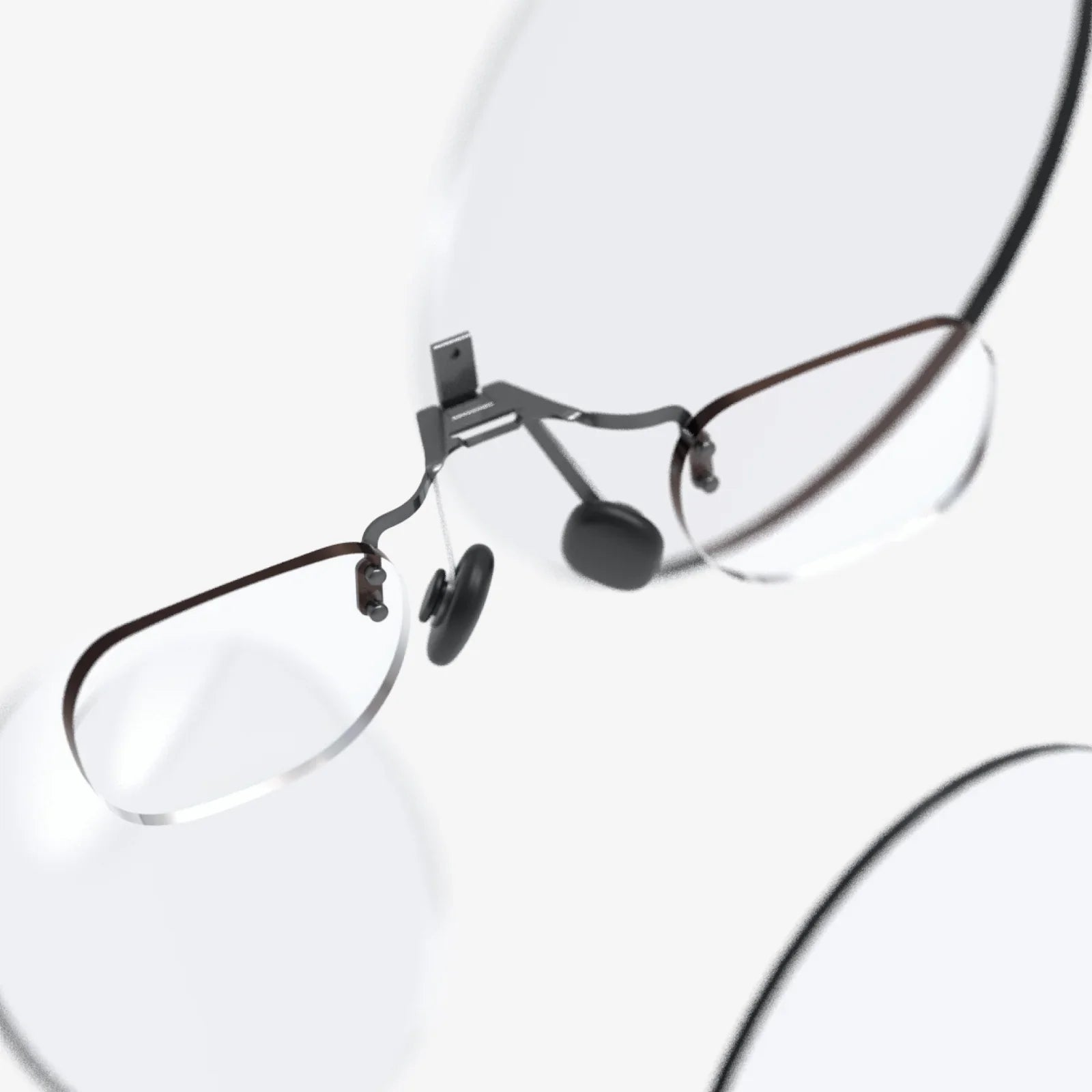
The quality of the lenses between your eyes and the screen is paramount. Fresnel lenses are common but can cause god rays (glare effects in high-contrast scenes). Aspherical and pancake lenses are newer technologies that offer a sharper image across the entire view with virtually no glare.
Interpupillary Distance (IPD) is the distance between your pupils. An incorrect IPD setting will cause eye strain and a blurry image. Look for headsets with either software or, preferably, physical IPD adjustment sliders that you can manually tweak until the image is perfectly clear.
Beyond the Hardware: The Ecosystem is Everything
A VR headset is a portal, but the worlds you can visit are defined by its ecosystem. The software platform, content library, and social features are just as important as the hardware itself.
The Content Library: What Will You Actually Do?
Before committing to a platform, browse its digital store. Are the games and experiences you're excited about available there? Look for a healthy mix of genres:
- AAA Titles: Big-budget, full-length games with deep narratives and high production values.
- Innovative Indies: Often the heart of VR creativity, offering unique mechanics and unforgettable experiences.
- Social Hubs: Virtual spaces to hang out, watch movies, play mini-games, and attend events with friends.
- Media Apps: For watching immersive 180°/360° videos or using a giant virtual screen to play flat games or browse the web.
Controllers: Your Virtual Hands
Don't overlook the controllers! They are your primary interface with the virtual world. Evaluate their ergonomics, button layout, and haptic feedback. Do they feel good to hold? Do they track your individual finger movements for more expressive interaction? Good controllers disappear in your hands, making your actions feel natural and intuitive.
Defining Your VR Profile: Finding Your Perfect Match
With the technical knowledge in hand, the final step is introspection. Your ideal headset is the one that best fits your life, budget, and desires.
The Gamer
If your primary goal is to play the most graphically intensive games, a PC-connected headset is your destination. Prioritize high resolution, a wide FoV, a high refresh rate, and precise outside-in tracking. Ensure your gaming rig meets or exceeds the recommended specifications for the headset you choose.
The Fitness Enthusiast
VR is a fantastic tool for fun, immersive cardio. For fitness apps, a lightweight, comfortable, and wireless standalone headset is essential. You'll be moving a lot, so good ventilation to prevent lens fogging and a secure fit are non-negotiable. Battery life is also a key consideration for longer workout sessions.
The Socializer and Media Consumer
If you envision hosting virtual movie nights, exploring social worlds, or browsing the web on a massive screen, a standalone headset offers the easiest and most flexible experience. Focus on display clarity for reading text, built-in microphone and speaker quality, and a strong ecosystem of social and media applications.
The Curious Explorer on a Budget
Your best entry point is the value-leading standalone headset market. The technology here has advanced tremendously, offering incredible experiences at an accessible price point. Look for a device with a strong existing library and a roadmap showing continued support from the developer.
Setting Up for Success: Your Space and Your Expectations
Before you finalize your purchase, consider your environment. VR requires space. Measure out a clear area free of obstacles, pets, and low-hanging light fixtures. This is your playspace, or \"guardian zone.\" Also, manage your expectations. Even the best VR is not photorealistic. You are entering a convincing simulation, and it requires a small suspension of disbelief. The magic is in the interaction and the feeling of \"presence\"—the undeniable sensation that you are somewhere else.
That initial thought—\"I want to buy a VR headset\"—is the beginning of an incredible journey. It's a decision that opens doors to new forms of play, connection, creativity, and wonder. By understanding the different types of headsets, deciphering the key specifications that matter, and honestly assessing what you want out of the experience, you are no longer just a curious bystander. You are an informed explorer, ready to claim your portal and step boldly into the vast, waiting expanse of virtual reality. Your adventure is just a headset away.
Share:
Can't See Anything in VR Headset? A Complete Troubleshooting and Immersion Guide
Best VR Headset for Work 2025: The Ultimate Guide to the Next-Gen Virtual Office