


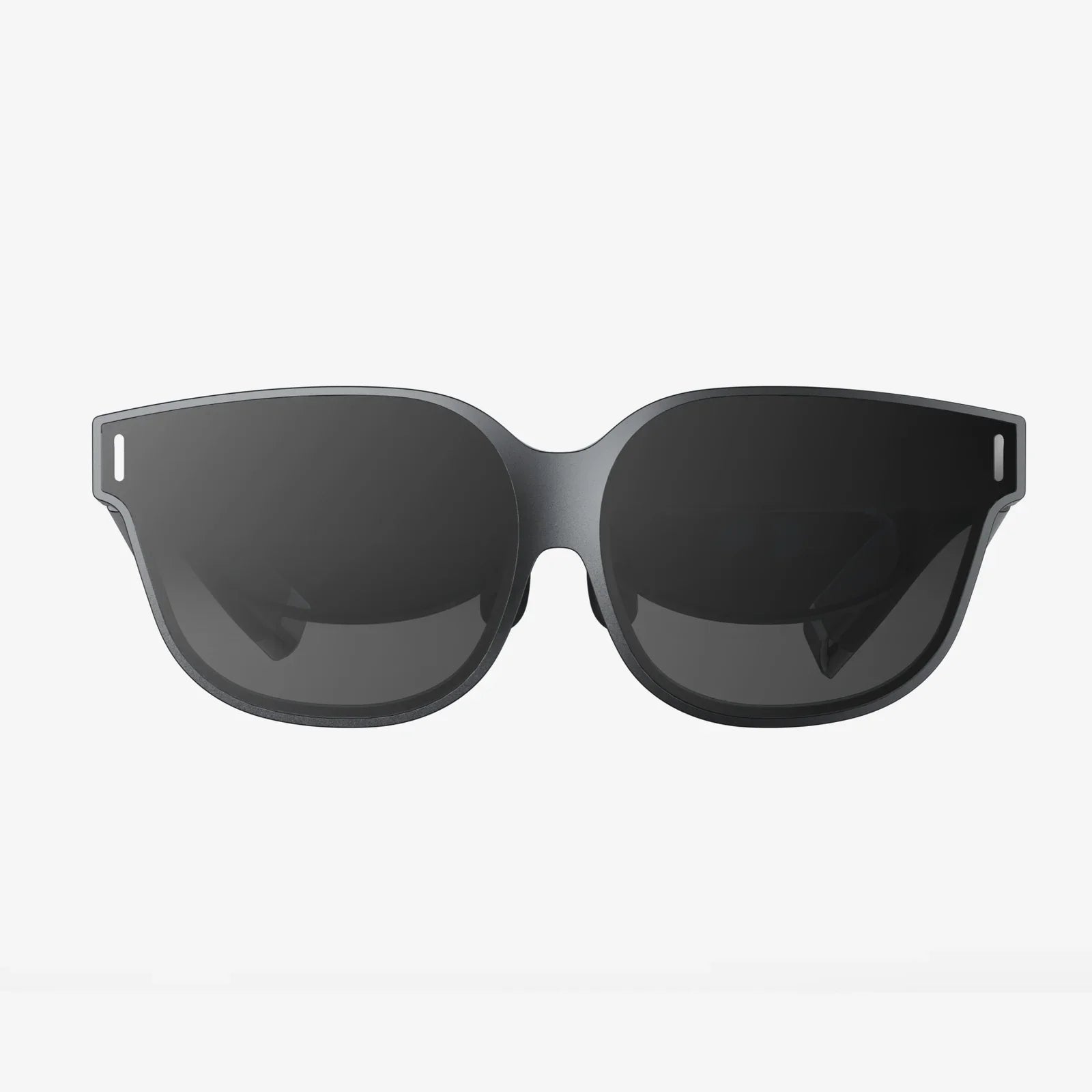
Imagine stepping inside your creation before a single physical element is built, walking through a space that exists only as data but feels as real as the room you're in. This is no longer the realm of science fiction but the powerful reality of immersive 3D design, a technological revolution that is fundamentally altering how we conceive, create, and experience the digital and physical worlds around us. This transformative approach to design is breaking down the barriers between idea and experience, offering a glimpse into a future where our interactions with digital content are as intuitive and rich as those with the physical world.
The Core Principles of Immersive Design
At its heart, immersive 3D design is about crafting experiences that engage the human senses on a profound level, creating a compelling sense of presence and agency within a digital environment. It moves far beyond simply viewing a model on a screen; it's about inhabiting it. This paradigm is built on several foundational pillars that distinguish it from traditional 3D modeling.
The first is presence—the psychological sensation of being physically located in a virtual space. This is achieved through a combination of high-fidelity visuals, spatial audio, and, in many cases, intuitive interaction paradigms that mimic our natural engagement with the world. The goal is to trick the brain, to suspend disbelief, and to make the user forget they are interacting with a simulation.
The second pillar is interactivity. Unlike a pre-rendered animation or a static model, an immersive 3D design is dynamic. Users can open doors, change the time of day to see how light filters through a window, swap materials in real-time, or rearrange entire architectural elements on the fly. This real-time manipulation empowers designers and stakeholders alike, transforming the design process from a linear sequence into an interactive dialogue with the project itself.
Finally, there is context. Immersive design allows for the placement of a object or structure within its intended environment. An architect can see how a new building casts shadows on a public plaza throughout the year. A product designer can place a new chair model in a photorealistic virtual living room to assess its scale and aesthetic fit. This contextual understanding is invaluable for making informed decisions that are often missed in traditional 2D plans or isolated 3D views.
The Technological Engine: Real-Time Rendering and Hardware
The leap into immersive design has been powered by two concurrent technological explosions: the advancement of real-time rendering engines and the increasing accessibility of sophisticated hardware.
Real-time rendering engines, once the exclusive domain of video game development, are now the workhorses of immersive 3D design. These powerful software platforms can generate photorealistic imagery instantaneously as the user moves and interacts within the environment. This immediacy is crucial. It means that changes are reflected instantly, allowing for rapid iteration and exploration. Lighting, physics, materials, and animations are all simulated with a staggering degree of accuracy, providing a truthful representation of how a design will behave in reality.
On the hardware side, a range of devices facilitates this immersion. High-end head-mounted displays (HMDs) offer the most profound level of immersion, completely replacing the user's field of view with the digital world and tracking head movements with sub-millimeter precision. These devices create a truly embodied experience, making scale and spatial relationships immediately and intuitively understandable.
Beyond fully immersive VR, augmented reality (AR) overlays digital models onto the user's actual physical surroundings through glasses or even smartphone screens. This is particularly powerful for visualizing a new product on your factory floor or seeing how a new piece of furniture would fit in your apartment. Large-format touch displays and cave automatic virtual environments (CAVEs), which are rooms with projections on walls and floors, offer collaborative immersive experiences where multiple stakeholders can review and interact with a design together without needing to wear a headset.
Transforming Industries: From Concept to Client
The application of immersive 3D design is rippling across countless sectors, solving age-old problems and opening up new possibilities for innovation and communication.
Architecture, Engineering, and Construction (AEC)
The AEC industry has been one of the earliest and most enthusiastic adopters. Here, immersive design is revolutionizing the entire building lifecycle. During the conceptual phase, architects use immersion to explore radical new forms and spatial arrangements that are difficult to judge from plans alone. Clients, who often struggle to read technical drawings, can be given a virtual tour of their future home or office, providing a clear understanding of the design intent and fostering confidence long before ground is broken.
This technology is a powerful tool for clash detection, allowing engineers to spot conflicts between structural, mechanical, and electrical systems in a 1:1 scale model before they become costly errors on the construction site. It also enhances safety planning and facilitates collaboration between dispersed teams who can meet inside the same virtual model regardless of their physical location.
Product Design and Manufacturing
In product design, immersion drastically accelerates prototyping. Instead of waiting weeks and spending thousands on physical prototypes, designers can create, hold, and examine virtual prototypes in real-time. They can conduct ergonomic studies by tracking a user's interaction with a virtual object, analyze assembly and maintenance procedures, and even simulate the product's behavior under different physical stresses. This not only slashes development costs and time-to-market but also enables a more iterative and creative design process where form and function can be perfected in a risk-free digital sandbox.
Media and Entertainment
The entertainment industry is being reshaped from pre-visualization to final delivery. Film directors can scout virtual sets and plan complex camera movements in immersive environments. Game developers, of course, live and breathe in this space, using these tools to build and playtest their worlds from the inside out. Furthermore, a new form of narrative is emerging—immersive storytelling—where the audience is no longer a passive viewer but an active participant within the story itself.
Retail and E-Commerce
Immersive design is tackling the fundamental limitation of online shopping: the inability to see, touch, and try products. Virtual showrooms allow customers to browse products in a curated environment as if they were in a physical store. AR apps let users visualize how a new lamp will look on their bedside table or how a pair of sunglasses will fit their face. This enhanced shopping experience reduces uncertainty for the consumer and decreases return rates for the retailer, creating a more efficient and satisfying commerce ecosystem.
The Human Factor: Enhancing Collaboration and Understanding
Perhaps the most significant impact of immersive 3D design is on human collaboration and comprehension. Complex 3D information is inherently difficult to communicate through 2D mediums like blueprints or screen-based models. This communication gap often leads to misunderstandings, errors, and delays.
Immersive design bridges this gap effortlessly. When a multidisciplinary team—comprising architects, engineers, clients, and contractors—can all step into the same model together, technical jargon is replaced by a shared experiential understanding. A client can point to a virtual wall and say, "Move this here," and everyone immediately knows what they mean. This democratizes the design process, making it accessible to all stakeholders regardless of their technical background. It fosters a collaborative environment where feedback is immediate, clear, and based on a common reference point, ultimately leading to better outcomes and more satisfied clients.
Navigating the Challenges and Looking Ahead
Despite its immense potential, the widespread adoption of immersive 3D design faces hurdles. The cost of high-end hardware, while decreasing, can still be prohibitive for smaller firms. There is a learning curve associated with the new software and workflows, requiring investment in training and a cultural shift within organizations. Technical challenges remain in achieving perfect photorealism in real-time, handling incredibly large datasets, and ensuring seamless multi-user collaboration without latency.
However, the trajectory is clear. The technology is becoming more powerful, affordable, and intuitive with each passing year. We are moving towards a future where immersive design tools are as standard as computer-aided design (CAD) software is today. The line between the digital twin—a perfect virtual replica of a physical asset—and its real-world counterpart will continue to blur, enabling us to simulate, monitor, and manage the real world through its digital counterpart.
The next frontier lies in the integration of artificial intelligence and generative design. Imagine describing a design goal in natural language, and an AI generates a range of fully realized, immersive 3D models for you to step into and evaluate. Haptic feedback technology will evolve to allow us to not just see but feel the texture and weight of virtual objects. As the metaverse concept evolves, immersive 3D design will be the fundamental craft for building these persistent, shared digital worlds.
The door to a new dimension of creation is now open, inviting us to step beyond the screen and into our ideas. This is more than an evolution of tools; it's a revolution in thought, a fundamental shift that empowers us to design with empathy, precision, and a depth of understanding previously unimaginable. The future of design isn't on a page or a monitor—it's all around you, waiting to be shaped.
Share:
How Much Is AR Coating for Glasses? A Complete Price Breakdown
Interactive Animation Software: The Ultimate Guide to Creating Captivating Digital Experiences