


- by wangfred
Immersive AR Content: Redefining Reality and Revolutionizing Human Experience
- by wangfred
Imagine a world where the line between the digital and the physical doesn't just blur—it vanishes. Where historical figures can walk you through the ruins they once inhabited, complex engine schematics float in mid-air for mechanics to examine, and the story of a constellation is painted across the night sky by a virtual guide. This is no longer the realm of science fiction; it is the emerging reality powered by immersive AR content, a force poised to revolutionize every facet of human experience, from how we learn and work to how we connect and play.
To understand immersive AR content, one must first move beyond the simplistic view of it as mere digital overlays. Early iterations often felt like clever parlor tricks—a static 3D model placed awkwardly on a table. True immersion is something far more profound. It is about creating a seamless, coherent, and interactive synthesis of the digital and the real.
This immersion is built on three foundational pillars:
Creating this seamless blend is a monumental technical challenge, requiring a symphony of cutting-edge technologies working in perfect harmony.
At the heart of any immersive AR system is a suite of sensors—cameras, LiDAR scanners, depth sensors, and IMUs (Inertial Measurement Units). These act as the system's eyes, constantly feeding data about the user's environment and their movement within it. This raw data is then processed in real-time by powerful onboard chipsets and sophisticated algorithms. This is the brain, performing instant scene reconstruction, understanding geometry, and calculating precise poses (position and orientation) to anchor digital content so it doesn't drift or float unnaturally.
How the digital light is painted onto the user's view of the real world is another critical piece. Different approaches offer varying levels of immersion:
For a virtual object to feel truly present, it must interact correctly with light and physics. Real-time rendering engines simulate materials, reflections, and shadows, ensuring a virtual bronze statue reflects the blue of the sky and casts a soft shadow on the grass beneath it. Even more critical is occlusion—the ability for real-world objects to pass in front of digital ones. When your real hand can convincingly hide a virtual object, the illusion of its existence is dramatically strengthened.
The potential of immersive AR content extends far beyond entertainment. It is a foundational tool that is already reshaping major sectors of the global economy.
Immersive AR turns abstract concepts into tangible, interactive experiences. Instead of reading about the Roman Empire, students can walk through a digitally reconstructed Forum Romanum, watching senators debate. Medical students can practice complex surgical procedures on hyper-realistic, virtual patients layered over a medical mannequin, receiving real-time feedback without risk. Mechanics can see the internal workings of an engine assembly superimposed onto the physical block, with animated arrows showing the flow of fluids. This shift from passive learning to active, experiential doing dramatically improves knowledge retention and skill acquisition.
The days of guessing whether a new sofa will fit in your living room are over. Immersive AR content allows consumers to project life-sized 3D models of furniture, appliances, and art into their homes with millimeter accuracy. They can walk around it, see how the fabric looks in different lighting, and even change colors on the fly. For architects and interior designers, this technology is transformative. They can present entire building designs to clients on-site, allowing them to literally walk through future walls and experience the space before a single brick is laid, facilitating better communication and decision-making.
On the factory floor or at a remote worksite, hands-free access to information is a game-changer for efficiency and safety. Field service technicians can wear AR glasses that overlay step-by-step repair instructions, highlight specific components with digital arrows, and even allow a remote expert to see what they see and annotate their field of view to guide them. Warehouse workers can have optimal picking routes displayed on the floor before them, dramatically speeding up fulfillment. This "see-what-I-see" capability creates a powerful remote collaboration tool, connecting global expertise with local hands.
As with any powerful technology, the rise of immersive AR content brings a host of complex ethical and societal questions that we are only beginning to grapple with.
AR devices, by their very nature, are data collection powerhouses. They have cameras and microphones that are always on, scanning and interpreting the world around the user. This raises profound privacy concerns. Who has access to this continuous stream of environmental and behavioral data? How is it stored and used? The potential for surveillance, both corporate and governmental, is unprecedented. The concept of consent becomes murky when a device can record a public space filled with people who never agreed to be scanned. Robust ethical frameworks and stringent regulations will be essential to prevent a dystopian future of perpetual monitoring.
If everyone can augment the world with their own digital content, who controls the shared visual space? The potential for digital graffiti—obscuring landmarks with offensive or distracting content—is high. More nefariously, imagine malicious actors overlaying false directions on road signs or hiding real-world hazards with digital imagery. Establishing digital property rights and creating systems for content moderation in physical space is a novel challenge that blends urban planning with platform governance.
Prolonged exposure to highly compelling and personalized augmented realities could lead to new psychological phenomena. Will we develop a preference for curated, augmented experiences over un-augmented reality? Could it exacerbate social isolation, as people retreat into their own personalized digital worlds even while physically together? The line between authentic experience and mediated simulation may become so faint that we are forced to redefine what we consider "real."
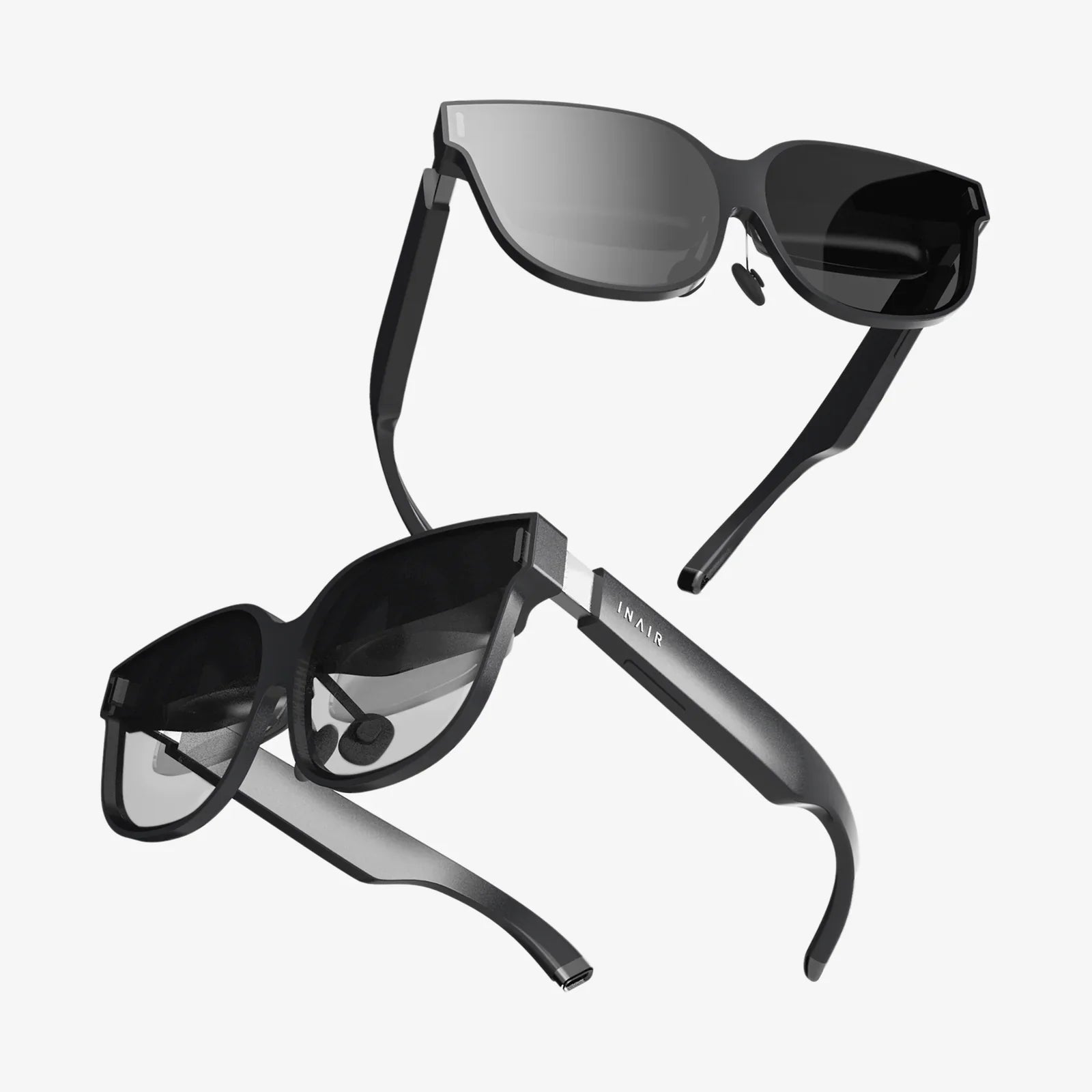
The current state of immersive AR is merely the foundation. The next decade will see advancements that feel like magic. We are moving towards always-available, socially-connected AR experiences delivered through elegant, lightweight glasses. The digital layer will become a persistent, shared utility, much like the internet is today. Artificial Intelligence will act as the intelligent curator of this layer, anticipating our needs and serving up relevant information and experiences before we even ask. We will move from augmentation to true mediation, with systems that can actively alter our perception of reality for therapeutic, educational, or enhancement purposes.
The age of passive screen-staring is drawing to a close, giving way to an era of active, embodied interaction with a digitally-augmented world. The promise of immersive AR content is a more intuitive, informative, and engaging human experience, but its responsible realization hinges on our ability to navigate its profound challenges with wisdom, foresight, and a unwavering commitment to human-centric values. The world is about to become our canvas, and we are all both artists and audience in the grand story about to unfold.