


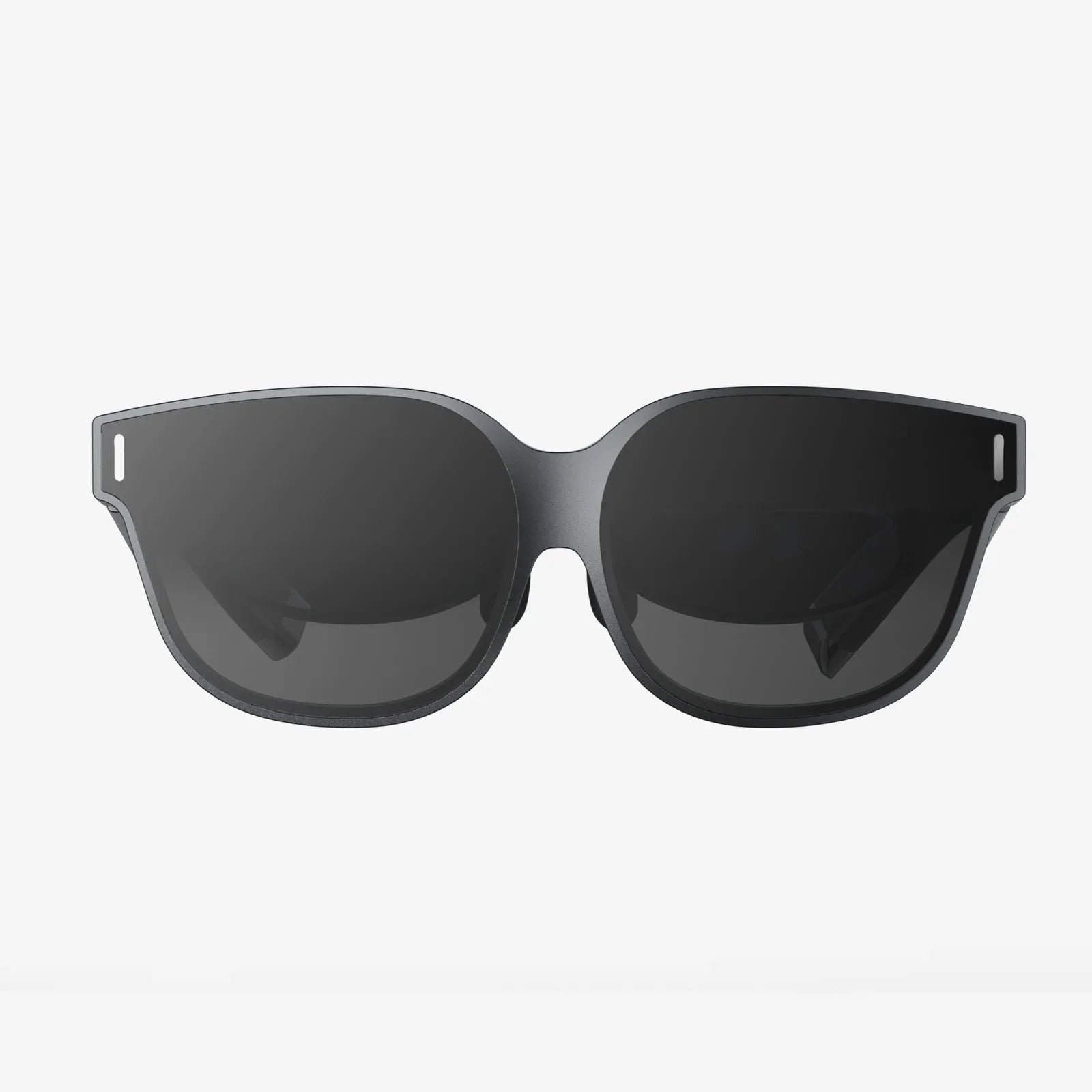
Imagine closing a multi-million dollar property deal without ever stepping foot on the premises, or training a team of surgeons on a complex procedure without a single risk to a patient. This is no longer the stuff of science fiction; it is the tangible, transformative power of virtual reality as it rapidly integrates into the very fabric of modern business. The impact of virtual reality on business is not a distant prediction—it is a present-day revolution, creating immersive experiences that are fundamentally altering how companies operate, market, innovate, and connect. For forward-thinking leaders, understanding this shift is no longer optional; it is imperative for survival and growth in an increasingly competitive and digital landscape.
The Foundational Shift: From Screens to Simulated Worlds
For decades, business interaction with technology has been confined to the two-dimensional plane of a screen. We moved from paper ledgers to spreadsheets, from physical memos to emails, and from in-person meetings to video calls. Each step increased efficiency but remained a limited abstraction of reality. Virtual reality shatters this paradigm by introducing presence—the visceral, psychological feeling of being in a digital space. This sense of "being there" is the catalyst for its profound impact.
The technology required to create these experiences has evolved at a staggering pace. What was once clunky, expensive, and limited to high-budget projects is now increasingly affordable, wireless, and capable of producing stunningly realistic visuals and interactions. This accessibility is democratizing VR, moving it out of specialized labs and into mainstream corporate strategies across sectors as diverse as healthcare, manufacturing, education, and retail.
Revolutionizing Training and Skill Development
Perhaps the most immediate and powerful application of VR in business is in the realm of employee training and development. Traditional methods often involve theoretical learning, watching videos, or shadowing experienced colleagues, which can be time-consuming, inconsistent, and sometimes hazardous. VR training solves these problems by creating a safe, controlled, and repeatable environment for practicing complex tasks.
- High-Risk Skill Mastery: Industries like aviation, energy, and healthcare use VR simulations to train pilots, refinery operators, and medical professionals. Surgeons can practice intricate procedures on virtual patients, allowing for mistake-driven learning without consequences. Similarly, technicians can learn to repair complex machinery or respond to emergency scenarios in a hyper-realistic simulation, building muscle memory and critical decision-making skills.
- Soft Skills and Empathy Training: VR is uniquely powerful for teaching soft skills like leadership, communication, and customer service. Employees can be placed in challenging scenarios—such as delivering difficult feedback to a virtual employee or dealing with an upset customer—and practice their responses. Furthermore, VR can foster empathy by allowing managers to experience a day in the life of a frontline worker or enabling designers to experience a space from the perspective of a person with disabilities.
- Onboarding and Corporate Culture: New hires can take virtual tours of corporate campuses, meet lifelike avatars of key team members, and learn company procedures in an engaging way, no matter where they are located in the world. This creates a consistent and memorable onboarding experience that accelerates integration and cultural assimilation.
The result is not just better-trained employees, but quantifiable business benefits: reduced training costs, decreased onboarding time, significantly lower error rates, and improved retention of information compared to traditional methods.
Transforming Marketing, Sales, and Customer Engagement
In a crowded marketplace, capturing and holding customer attention is the ultimate challenge. VR offers an unparalleled tool for creating "wow" moments that forge deep emotional connections with products and brands. It moves beyond telling a customer about a product to letting them experience it.
- Virtual Try-Before-You-Buy: The retail sector is being revolutionized by this concept. Customers can use VR to see how a piece of furniture would look and fit in their living room, "try on" glasses or makeup, or even take a virtual test drive of a vehicle from their home. This dramatically reduces purchase hesitation and lowers return rates, as buyers are more confident in their decisions.
- Immersive Storytelling and Brand Experiences: Instead of a 30-second advertisement, companies can create 3-minute immersive experiences. A travel company can transport potential tourists to a sun-drenched beach or a historic landmark. An automotive company can let customers experience the thrill of a new car's performance on a legendary race track. These experiences are shared, talked about, and remembered far longer than any traditional ad.
- Virtual Showrooms and Real Estate: The real estate industry has been utterly transformed. Potential buyers can take self-guided, 3D tours of properties across the globe at any time, saving immense time and resources for both agents and clients. Architects and interior designers can walk clients through unbuilt spaces, allowing for feedback and modifications before a single brick is laid, saving costly change orders later.
This shift is redefining the sales funnel, turning it from a linear process into an experiential journey where the line between engagement and conversion becomes beautifully blurred.
Supercharging Design, Prototyping, and Collaboration
The design and development phase of any product or structure is fraught with challenges of visualization and iteration. VR is becoming an indispensable tool in the product lifecycle, accelerating innovation and reducing waste.
- Virtual Prototyping: Engineers and designers can create and interact with full-scale 3D models of their designs. They can "walk around" a new engine design, inspect the interior of a new building, or assess the ergonomics of a new consumer product. This allows for the identification of design flaws and opportunities for improvement long before physical prototypes are built, saving enormous amounts of time, material, and capital.
- Remote Collaboration in Shared Spaces: The concept of the digital twin—a virtual replica of a physical asset, process, or system—is supercharged by VR. Dispersed global teams can meet inside a virtual model of a factory floor or a new retail store layout. They can annotate the virtual space, move components around, and make decisions as if they were standing in the same room. This eliminates the misunderstandings that can occur with traditional blueprints and video calls, fostering a new level of cohesive teamwork across continents.
- Streamlined Manufacturing and Logistics: Within factories, VR can be used to simulate assembly lines and logistics workflows. Engineers can optimize the placement of equipment for efficiency and safety, and train workers on new procedures within the exact digital replica of their workspace, minimizing downtime and disruption during implementation.
Navigating the Challenges and Ethical Considerations
Despite its immense potential, the integration of VR into business is not without significant hurdles. The initial investment in hardware and software development can be substantial, though costs are falling. There is a steep learning curve associated with both creating high-quality VR content and using the technology effectively.
Furthermore, businesses must grapple with new ethical and practical questions. The collection of biometric and behavioral data within VR experiences—such as eye-tracking, movement patterns, and physiological responses—is a goldmine for market research and training analysis, but it also raises serious concerns about user privacy and data security. Establishing clear ethical guidelines for this data collection is crucial.
There are also human factors to consider, such as "cybersickness"—a form of motion sickness some users experience—and the long-term psychological effects of prolonged immersion in virtual environments. Companies must implement VR responsibly, ensuring user comfort and well-being is a priority.
The Future is Immersive: What Lies Ahead?
The technology continues to evolve at a breakneck pace. The convergence of VR with other frontier technologies like artificial intelligence (AI) and augmented reality (AR) will unlock even more powerful applications. AI can be used to create intelligent, responsive virtual characters for training, while AR overlays digital information onto the real world. The concept of the "metaverse"—a persistent network of interconnected virtual spaces—suggests a future where virtual offices, showrooms, and collaboration spaces are as commonplace as websites are today.
Businesses that begin experimenting with and integrating VR now will be the ones to define the standards and best practices for this new medium. They will gain a significant first-mover advantage in engaging customers, empowering employees, and streamlining operations.
The screen-based interface that has dominated our digital lives for forty years is finally giving way to a more intuitive, human-centric paradigm. The businesses that embrace this shift will not just be selling products or services; they will be selling unforgettable experiences, building deeper relationships, and operating at a level of efficiency and innovation previously unimaginable. The virtual door is now open; the only question is which businesses will be bold enough to step through.
Share:
Completely Immersive Virtual Reality is Redefining Human Experience
Can Virtual Reality Replace Reality? An In-Depth Exploration of Our Digital Future