


- by wangfred
Importance of Wearable Technology: Reshaping Lives and Industries
- by wangfred
Imagine a world where your watch not only tells time but also tells you you're about to get sick, where your glasses translate foreign languages in real-time, and your clothing can monitor your posture and stress levels. This is not a glimpse into a distant science fiction future; it is the rapidly unfolding present, powered by the silent, seamless integration of wearable technology into the very fabric of our daily existence. The true importance of this technological revolution extends far beyond the novelty of gadgets; it represents a fundamental shift in how we understand ourselves, interact with the world, and manage our well-being.
For decades, healthcare and personal wellness were largely reactive endeavors. We visited a doctor when we felt unwell, and we attempted to correct lifestyle choices after problems had already manifested. Wearable technology is shattering this model by ushering in an era of proactive and predictive living. By providing a constant stream of personalized, real-time data, these devices empower individuals to take control of their health and habits before issues arise.
The core of this shift lies in data democratization. Previously, detailed biometric data was confined to clinical settings, captured in brief, sporadic snapshots during annual check-ups. Wearables transform this intermittent data into a rich, continuous narrative of an individual's life. This longitudinal data is invaluable, as it captures trends, patterns, and anomalies that a single reading in a sterile environment could never reveal. It allows users and their healthcare providers to move from asking "What is wrong with me right now?" to "What trends are leading to potential problems, and how can I adjust my behavior to prevent them?"
The most significant and widely recognized impact of wearable technology has been in the realm of personal health. This revolution operates on multiple levels, from basic activity tracking to sophisticated medical monitoring.
At the most accessible level, fitness trackers and smartwatches have become ubiquitous personal coaches. They gamify health by setting goals, tracking steps, monitoring heart rate during exercise, and calculating calories burned. This constant feedback loop provides powerful motivation, encouraging users to move more, sit less, and make conscious choices throughout their day. The importance here is in fostering a culture of awareness and accountability, turning abstract health goals into tangible, daily achievements.
Beyond fitness, the importance of wearables in managing chronic conditions is profound. For millions living with diabetes, hypertension, or cardiac arrhythmias, continuous monitoring is not a luxury—it is a necessity for health and safety.
The importance of wearable tech is expanding into the critical domain of mental well-being. By measuring heart rate variability (HRV), skin temperature, and even sweat gland activity, devices can detect physiological signs of stress and anxiety. They can then prompt users to engage in guided breathing exercises, mindfulness sessions, or simply take a moment to step away from a stressful situation. This biofeedback mechanism provides an objective measure of one's mental state, helping to build resilience and manage stress before it becomes overwhelming.
The value of wearable technology extends into personal safety, offering peace of mind to both users and their loved ones. This is particularly important for vulnerable populations, including the elderly, children, and individuals living alone.
Many devices now feature fall detection algorithms that can automatically alert emergency services and designated contacts if a hard fall is detected, followed by immobility. For individuals with conditions like epilepsy, wearables can detect the onset of a seizure and send an alert. Location-tracking features in devices designed for children allow parents to know their child's whereabouts without being intrusive.
For the aging population, these technologies are powerful tools for enabling independent living for longer. Remote monitoring allows family members or caregivers to check on a relative's activity levels, sleep patterns, and overall well-being from a distance, intervening only when necessary. This fosters a sense of security and autonomy for the user while reducing the anxiety of their family.
While consumer health applications grab headlines, the importance of wearable technology in industrial and enterprise settings is driving a quiet revolution in productivity, safety, and training.
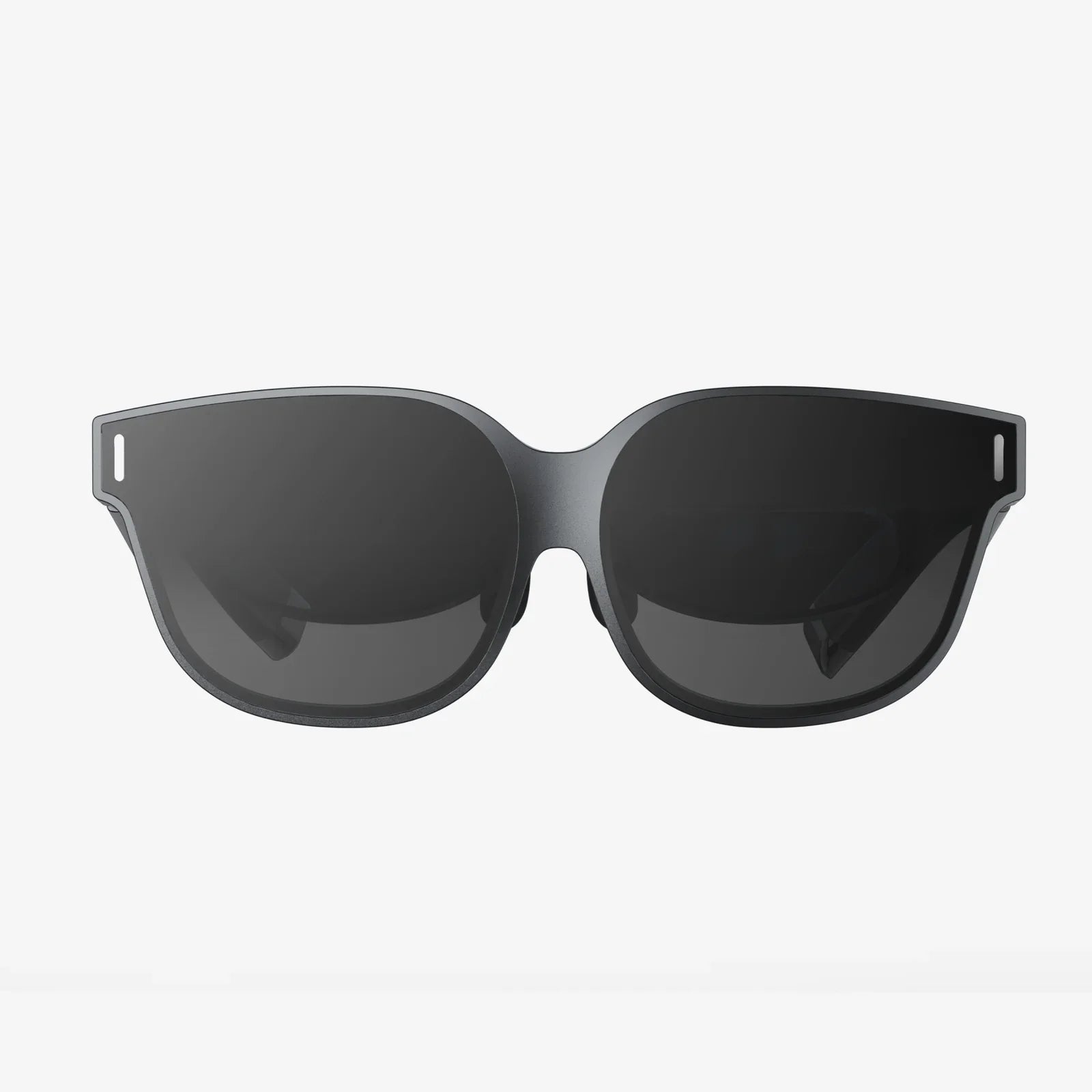
In sectors like manufacturing, logistics, and field services, smart glasses and augmented reality (AR) headsets are providing workers with hands-free access to crucial information. A technician repairing complex machinery can see schematics overlaid onto the equipment in their field of view. A warehouse picker can receive order information and optimal routing directions without looking down at a scanner or clipboard. This streamlines workflows, drastically reduces errors, and shortens training times for new employees.
Wearable sensors are being deployed to create safer work environments. Devices can monitor workers' vitals in extreme conditions, such as heat stress for firefighters or fatigue for long-haul truck drivers, triggering alerts before a dangerous situation develops. Exoskeletons—wearable robotic suits—are reducing the physical strain and risk of injury for workers performing repetitive heavy lifting in assembly plants and warehouses. Furthermore, sensors can monitor posture and movement, coaching employees on proper ergonomics to prevent long-term musculoskeletal disorders.
Despite its immense potential, the rise of wearable technology is not without significant challenges. Recognizing these issues is crucial to understanding its responsible development and adoption.
The most pressing concern is the vast amount of intimate personal data these devices collect. This data is a treasure trove not just for healthcare providers, but also for insurers, employers, and malicious actors. Robust cybersecurity measures are non-negotiable to prevent data breaches. Furthermore, clear and transparent policies on data ownership, usage, and sharing are essential. Users must have control over their most personal information, understanding who has access to it and for what purpose.
Not all wearable data is created equal. The accuracy of sensors can vary widely between devices, and misinterpretation of data by users can lead to unnecessary anxiety—a phenomenon sometimes called "cyberchondria." While many devices are classified as general wellness products, those making clinical claims must undergo rigorous testing and receive approval from regulatory bodies to ensure they are safe and effective for medical decision-making.
There is a risk that the benefits of wearable technology could exacerbate existing health disparities. High-cost devices may only be accessible to affluent populations, creating a gap between the "quantified" wealthy and the underserved. Ensuring that these life-saving technologies are affordable and accessible through insurance and healthcare systems is a critical societal challenge.
The next evolutionary leap for wearable technology lies in deeper integration and smarter artificial intelligence. We are moving from devices that simply collect data to intelligent systems that analyze, interpret, and act upon it.
Future wearables will likely become even more unobtrusive, evolving from watches and rings to smart fabrics, electronic skin patches, and even ingestible sensors. They will function as a cohesive ecosystem, with data from your clothing informing your watch, which then communicates with your home environment to adjust lighting and temperature for optimal sleep.
AI will be the key that unlocks the true potential of this data deluge. Instead of just showing graphs of your heart rate, future systems will provide personalized, actionable insights: "Based on your elevated resting heart rate and decreased sleep quality, you are 85% likely to develop a cold. It is recommended you increase your hydration, get 8 hours of sleep tonight, and consider taking Vitamin C." This shift from information to intelligence will make wearables not just diagnostic tools, but true partners in health and productivity.
The tiny devices on our wrists and bodies are more than mere accessories; they are the vanguard of a fundamental transformation in human experience. They are forging a new path where technology doesn't demand our attention but instead works quietly in the background to enhance our health, ensure our safety, and unlock our potential. The data they provide is the language of our own bodies, finally translated, offering us the unprecedented power to not just live, but to thrive. The decision to listen is now in our hands.