


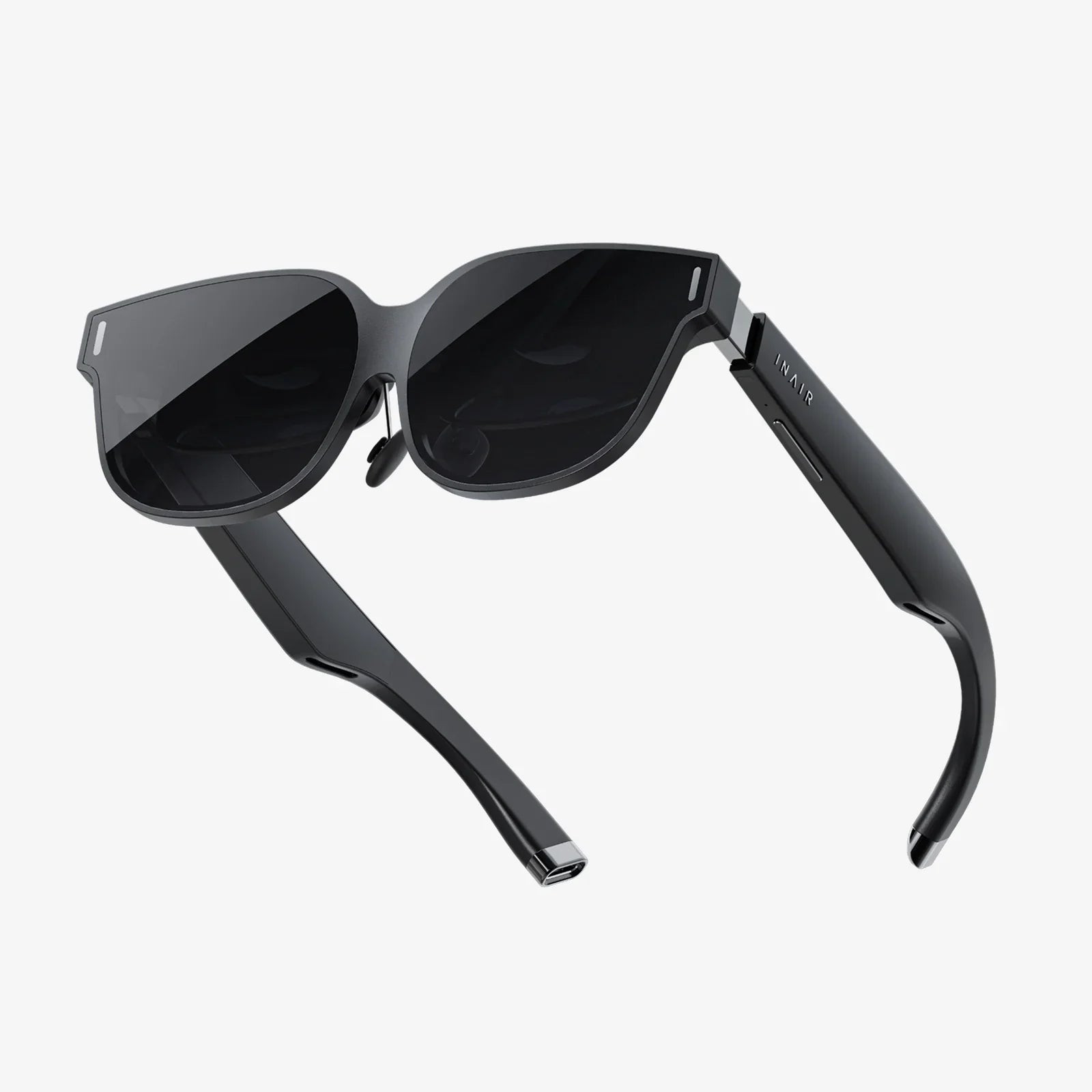
Imagine a world where every surface around you responds to your fingertips with effortless precision, where a single swipe can orchestrate lighting, climate, security, and entertainment in perfect harmony. That vision is rapidly becoming reality through infinity touch control, a design philosophy and technology trend that aims to make interaction with digital systems feel limitless, fluid, and deeply intuitive. Whether you are managing a smart home, navigating a car dashboard, or fine-tuning industrial equipment, infinity touch control is redefining what it means to be in command of your environment.
At its core, infinity touch control is not just about touchscreens; it is about the experience of continuous, boundary-free control. Traditional interfaces confine you to buttons, menus, and rigid layouts. Infinity-style interfaces, by contrast, seek to remove visible edges, reduce friction, and allow gestures to flow naturally across panels, screens, and even physical spaces. This article explores what infinity touch control really is, how it works, where it is being used, and how you can leverage its principles to create more compelling, future-ready experiences.
What Is Infinity Touch Control?
Infinity touch control is an approach to human-machine interaction that emphasizes seamless, continuous, and expansive control through touch and gesture. It combines hardware, software, and interface design so that users feel as if they are interacting with an endless canvas rather than a small, constrained panel.
Key characteristics include:
- Continuous interaction: Gestures can flow across screens or panels without harsh transitions or abrupt mode changes.
- Context-aware responses: The interface adjusts based on user intent, location, and usage history, making control feel intelligent rather than mechanical.
- Minimal visible boundaries: Edges, borders, and rigid button grids are reduced or hidden, giving the impression of an infinite surface.
- Multi-modal feedback: Visual, haptic, and sometimes audio cues confirm your actions, reinforcing the sense of direct manipulation.
Instead of thinking of a panel as a static array of buttons, infinity touch control treats it as a living, adaptive surface. This is especially powerful in environments where users need to control many functions quickly and safely, such as smart homes, vehicles, and industrial systems.
Core Technologies Behind Infinity Touch Control
Infinity touch control is built on several underlying technologies that work together to create a smooth, immersive experience.
Capacitive and Projected Capacitive Touch
Most modern touch systems rely on capacitive sensing. Projected capacitive technology allows detection of touches and gestures through glass or other protective layers, enabling sleek, flat surfaces with no physical buttons. This is essential for infinity-style interfaces that favor uninterrupted surfaces and edge-to-edge glass.
Multi-Touch and Gesture Recognition
Infinity touch control depends on the ability to track multiple fingers and complex gestures:
- Pinch and spread: For zooming or resizing interfaces.
- Swipe and flick: For navigation, scrolling, or mode switching.
- Long press and drag: For rearranging controls or revealing secondary options.
Advanced gesture recognition algorithms interpret these movements and map them to intuitive actions, reducing the need for on-screen instructions.
Haptic Feedback and Tactile Illusions
To make a flat surface feel responsive, haptic engines create subtle vibrations or tactile pulses when users tap or slide. In an infinity touch control system, haptics can simulate the feel of buttons, sliders, and toggles without adding physical components. This preserves the clean, seamless look while still giving the user a sense of physical confirmation.
Dynamic User Interface Rendering
On the software side, responsive rendering engines allow the interface to adapt in real time. Panels can expand, contract, or rearrange based on context, user preferences, or environmental conditions. This is what allows a single surface to serve as a thermostat, lighting controller, media hub, and more, without clutter or confusion.
Connectivity and Integration Layers
Infinity touch control is most powerful when connected to a broader ecosystem. Through wired or wireless protocols, the interface can communicate with:
- Smart lighting and climate systems
- Security sensors and cameras
- Audio and video systems
- Vehicle subsystems or industrial controllers
This connectivity turns a single panel into a central command point for an entire environment.
Design Principles of Infinity Touch Control Interfaces
Design is where infinity touch control truly comes to life. The best systems apply a set of principles that make the experience feel natural and powerful rather than overwhelming.
1. Progressive Disclosure
Infinity-style interfaces avoid showing every option at once. Instead, they reveal controls as needed. A simple tap might show basic settings, while a swipe or long press reveals advanced parameters. This keeps the surface visually calm while still offering depth for expert users.
2. Spatial Consistency
Users develop a mental map of where controls live. Infinity touch control respects this by keeping related functions in predictable areas and using spatial transitions rather than abrupt jumps. For example, climate controls might always slide in from one side, while lighting controls appear from another.
3. Fluid Motion and Transitions
Animations and transitions are not just cosmetic; they help users understand cause and effect. When a user swipes to change modes, the interface might appear to glide across an infinite plane, reinforcing the feeling of continuity and depth.
4. Clear Feedback for Every Action
Visual highlights, gentle haptic taps, and subtle sound cues can all confirm that a gesture has been recognized. Infinity touch control systems are designed so that every meaningful interaction produces feedback, reducing uncertainty and mis-taps.
5. Adaptive Layouts
Different users, environments, and times of day may call for different layouts. Infinity touch control interfaces can adapt by:
- Switching to high-contrast modes at night
- Enlarging critical controls when motion is detected (such as in a moving vehicle)
- Reordering frequently used functions based on usage patterns
This adaptability is a key differentiator from static control panels.
Infinity Touch Control in Smart Homes
Smart homes are one of the most natural environments for infinity touch control, because they involve many subsystems that need to be controlled in harmony.
Unified Control Surfaces
Instead of separate switches for lights, thermostats, blinds, and audio, a single infinity touch panel can manage them all. The interface can present a simple scene-based layout for casual users (such as "Relax," "Work," or "Away") while offering deeper control layers for those who want to fine-tune every detail.
Room-Aware Interfaces
Panels can be context-aware, showing controls relevant to the room they are in. In a bedroom, the interface might prioritize lighting and climate, while in a kitchen it might highlight appliances and ventilation. Infinity touch control allows these differences to appear smoothly, without the need for separate hardware.
Scene Creation and Automation
Infinity-style interfaces make it easier to create complex scenes by dragging, grouping, and adjusting multiple devices at once. A homeowner can:
- Drag a slider to set overall brightness, while individual room levels adjust proportionally.
- Tap and hold to add devices to a custom scene.
- Use a long swipe gesture to transition from daytime to nighttime settings.
Because the interface feels like an open canvas, users are more likely to experiment and optimize their environment.
Energy and Comfort Optimization
Infinity touch control panels can visualize energy usage, temperature gradients, and occupancy patterns in a way that is both informative and interactive. Users might pinch to zoom into a floor plan, tap rooms to adjust settings, and watch in real time as projected energy consumption changes.
Infinity Touch Control in Vehicles
Modern vehicles are increasingly dependent on digital interfaces, and infinity touch control has significant implications for safety, comfort, and aesthetics.
Consolidated Dashboards
Instead of a cluttered array of knobs and buttons, a single, continuous touch surface can handle navigation, climate, media, and driving modes. Infinity-style layouts allow drivers to swipe between clusters of controls, with essential information always remaining in view.
Driver-Centric Personalization
When a driver enters the vehicle, the infinity touch control system can load their profile and rearrange controls accordingly. Frequently used functions can be brought closer to the driver's side, while secondary options remain accessible with a quick gesture.
Safety-Oriented Design
While touch interfaces can be distracting if poorly designed, infinity touch control can improve safety by:
- Using large, high-contrast controls while the vehicle is moving.
- Limiting access to non-essential menus at high speeds.
- Providing strong haptic feedback so drivers can confirm actions without constantly looking down.
By adapting to driving conditions, the system balances rich functionality with the need to keep eyes on the road.
Passenger Experiences
Passengers can benefit from their own zones of control, such as rear-seat panels that manage entertainment, lighting, and climate. Infinity touch control allows these zones to be visually and functionally distinct while still integrated into the overall vehicle system.
Infinity Touch Control in Commercial and Industrial Settings
Beyond homes and vehicles, infinity touch control is making its way into commercial buildings, hospitality environments, and industrial control rooms.
Building Management Systems
Facility managers can use large infinity-style touch panels to monitor and adjust building systems. A single display might show a floor plan, energy usage graphs, and equipment status indicators, all of which can be manipulated with gestures. This reduces the need for multiple control stations and simplifies training.
Hospitality and Guest Experiences
Hotels, conference centers, and entertainment venues can offer guests intuitive control over lighting, temperature, and media through infinity touch panels in rooms and public areas. The clean, futuristic look of a seamless touch surface also enhances the perceived quality of the space.
Industrial Control and Monitoring
In industrial environments, operators often need to monitor many variables at once. Infinity touch control can present sprawling process diagrams that users can zoom and pan through, focusing on critical areas with a pinch gesture. Layers of information can be revealed progressively, helping operators avoid information overload while maintaining access to detailed data when needed.
User Experience Benefits of Infinity Touch Control
When implemented thoughtfully, infinity touch control offers tangible benefits for users and organizations.
Reduced Cognitive Load
By presenting information and controls in a spatially consistent, visually calm manner, infinity interfaces reduce the mental effort required to operate complex systems. Users can rely more on intuition and less on memorizing menu paths.
Faster Task Completion
Gestures like swiping, pinching, and dragging can accomplish tasks more quickly than navigating nested menus or pressing multiple physical buttons. Over time, this can significantly speed up frequently repeated actions.
Enhanced Aesthetics and Perceived Value
A seamless, edge-to-edge touch surface conveys modernity and sophistication. For businesses and property owners, this can translate into higher perceived value and a stronger brand image.
Future-Proof Flexibility
Because the interface is primarily software-defined, new features and improvements can be added through updates rather than hardware changes. This extends the useful life of the system and allows it to evolve with user needs.
Challenges and Considerations
Despite its advantages, infinity touch control also presents challenges that designers and implementers must address.
Lack of Physical Landmarks
Without physical buttons, users cannot rely on touch alone to find controls. This can be problematic in situations where visual attention is limited. Designers must use haptics, sound, and careful layout to compensate.
Glare, Smudges, and Durability
Large glass surfaces can suffer from reflections and fingerprints. In some environments, they must also withstand impacts, chemicals, or extreme temperatures. Choosing appropriate materials and coatings is critical.
Accessibility Concerns
Users with limited dexterity, vision, or hearing may find touch-only interfaces challenging. Infinity touch control systems should support accessibility features such as:
- High-contrast modes and adjustable font sizes
- Voice feedback or voice control integration
- Alternative input devices where appropriate
Security and Privacy
Because infinity touch panels often connect to critical systems, security is a major concern. Implementations should include:
- User authentication (such as PINs or biometric methods)
- Role-based access controls
- Secure communication protocols
- Regular software updates to patch vulnerabilities
Best Practices for Implementing Infinity Touch Control
For designers, integrators, and decision-makers planning to adopt infinity touch control, several best practices can help ensure a successful deployment.
Start with User Journeys
Before designing screens, map out what users need to accomplish and under what conditions. Identify the most common tasks, critical actions, and edge cases. Use this information to prioritize what appears on the main surfaces and what is tucked away in secondary layers.
Prototype and Test Early
Interactive prototypes allow you to test gestures, layouts, and feedback patterns with real users. Observing how people interact with early versions can reveal pain points and misconceptions that static mockups would miss.
Optimize for Context
Consider where and how the interface will be used:
- In bright sunlight or dim rooms?
- While stationary or in motion?
- By experts, casual users, or a mix of both?
Adjust brightness, contrast, control sizes, and interaction patterns accordingly.
Use Layers and Zones
Organize the interface into logical zones (such as navigation, status, and controls) and layers (basic vs. advanced). Infinity touch control thrives when users can move smoothly between these layers without feeling lost.
Plan for Updates and Maintenance
Build a roadmap for how the system will evolve. Ensure that the hardware has enough performance headroom and that the software architecture supports modular updates. Provide clear mechanisms for users to receive new features without disrupting their existing workflows.
Future Directions for Infinity Touch Control
The concept of infinity touch control is still evolving, and several emerging trends are likely to shape its future.
Integration with Voice and Gesture in the Air
Touch will increasingly be complemented by voice commands and mid-air gestures. Users might tap to select and then use voice to specify details, or wave to trigger large-scale changes. This multi-modal approach can make control more flexible and inclusive.
Augmented Reality Overlays
As augmented reality becomes more common, infinity touch control surfaces may extend beyond physical panels. Users could see virtual controls hovering over real-world objects, with touch interactions happening on nearby surfaces or wearable devices.
Contextual Intelligence and Automation
Infinity touch systems will gain more predictive capabilities, offering suggested actions based on time, location, and learned behaviors. Instead of manually adjusting settings, users will fine-tune recommendations, gradually teaching the system their preferences.
Expanded Materials and Form Factors
Future implementations may use flexible displays, curved glass, or even touch-sensitive textiles. This will allow infinity touch control to appear on unconventional surfaces, such as furniture, walls, and wearable devices, further blurring the line between physical and digital control.
How to Decide If Infinity Touch Control Is Right for Your Project
Adopting infinity touch control requires investment and careful planning, so it is important to assess whether it aligns with your goals.
Consider the following questions:
- Do users need to manage many functions or devices from a single point of control?
- Is there value in presenting a modern, minimalist aesthetic?
- Will the system benefit from software-driven updates and evolving functionality?
- Can you provide the necessary training, documentation, and support?
- Are there accessibility or regulatory requirements that must be met?
If the answers align with the strengths of infinity touch control, it may offer a compelling path forward, especially when combined with thoughtful design and robust security.
Steps to Get Started with Infinity Touch Control
For organizations ready to explore infinity touch control, a structured approach can reduce risk and accelerate learning.
1. Define Scope and Objectives
Determine whether you are implementing a single panel, a multi-room environment, or an entire facility. Clarify success metrics such as user satisfaction, energy savings, or reduced maintenance costs.
2. Audit Existing Systems
Identify what needs to integrate with the new interface: lighting, climate, security, media, or industrial controllers. Document communication protocols and any constraints.
3. Select Hardware and Platform
Choose touch-capable hardware that meets environmental and performance requirements. Evaluate software platforms that support flexible interface design, secure connectivity, and future updates.
4. Design for Real Users
Engage representative users early. Conduct workshops or interviews to understand their priorities and frustrations. Use this input to shape interface layouts, terminology, and default settings.
5. Pilot, Iterate, and Scale
Start with a pilot installation in a limited area. Collect feedback, monitor usage patterns, and refine the design. Once the system proves its value, expand to additional rooms, vehicles, or facilities.
A New Standard for Intuitive Control
Infinity touch control is more than a design trend; it is a response to the growing complexity of the environments we inhabit. As homes, vehicles, and workplaces gain more connected systems, the need for clear, unified, and intuitive control becomes critical. By turning surfaces into intelligent, responsive canvases, infinity touch control offers a way to tame that complexity without sacrificing elegance or usability.
Whether you are a homeowner seeking a more cohesive smart living experience, a designer envisioning the next generation of vehicle dashboards, or a facility manager looking to streamline building operations, embracing the principles of infinity touch control can unlock new levels of efficiency, comfort, and delight. The surfaces around us are no longer passive; with the right approach, they become active partners in shaping how we live, work, and move through the world. Exploring infinity touch control today sets the stage for environments that feel less like machines to be managed and more like extensions of our own intent and imagination.
Share:
Steam Controller Touch Menu Mastery For Next-Level PC Gaming Control
led controller touch systems for smarter lighting control