


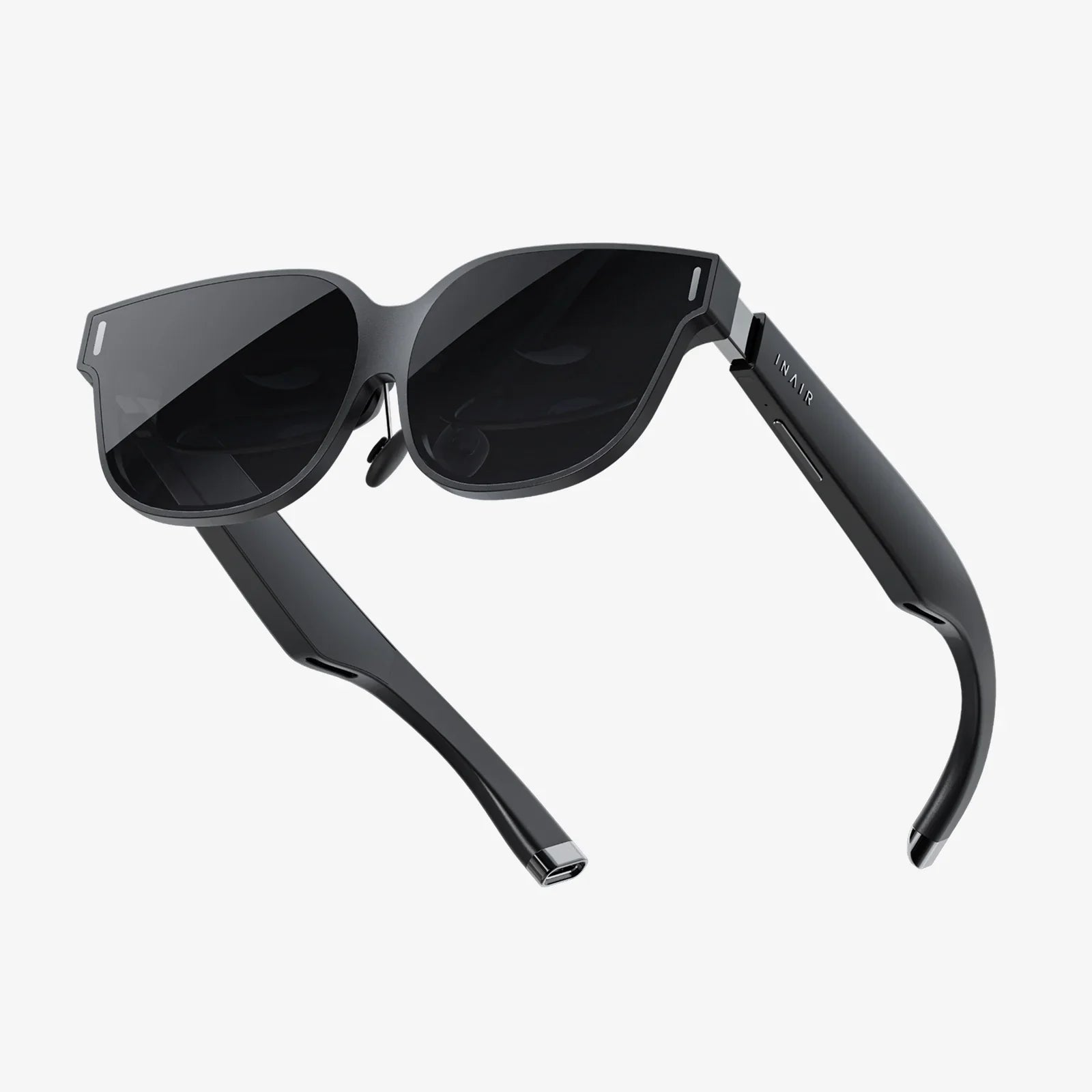
Have you ever felt the telltale pinch on the bridge of your nose, the constant, nagging slide of your glasses, or the frustrating asymmetry of a tilted frame? These common grievances, often dismissed as simple annoyances, are signs of a fundamental misalignment between your eyewear and your unique facial structure. The quest for the perfect pair of glasses isn't just about style and prescription; it's a meticulous pursuit of personalized comfort and optical precision. At the very heart of this pursuit lies a small, often overlooked component with an outsized impact on your daily experience: the adjustable nose pad. Learning how to correctly install and adjust these tiny marvels of engineering is nothing short of a revelation, a simple skill that can elevate your eyewear from a necessary appliance to a seamless extension of your being.
The Critical Role of Nose Pads in Eyewear Function
Before delving into the 'how,' it is essential to understand the 'why.' Nose pads are far more than just two small points of contact; they are the primary support system for your entire pair of glasses. Their function is tripartite, influencing comfort, vision, and even the longevity of your frames.
First and foremost, they distribute weight evenly. A typical pair of prescription glasses can weigh anywhere from 20 to 50 grams. Without proper support, this weight is concentrated on two small areas of the nasal bridge, leading to redness, deep indentations (often called "glass marks"), and significant discomfort over prolonged wear. Well-fitted nose pads spread this pressure over a wider surface area, eliminating painful pressure points.
Secondly, they ensure optimal positioning for correct vision. The optical centers of your lenses are meticulously calculated based on the assumption that your eyes will be looking through a specific point. If your glasses are sitting too high, too low, or are tilted away from your face, your pupils are no longer aligned with these centers. This misalignment can cause eye strain, headaches, and even blurred vision, effectively negating the precision of your prescription. Properly adjusted nose pads hold the lenses at the exact distance and angle intended by your optician.
Finally, they provide stability. They prevent your glasses from sliding down when you perspire or when you are active. They also stop the frames from bouncing with every step, a distraction that can be both annoying and visually disruptive. This stability is not just about convenience; it's about ensuring a consistent visual field throughout your day.
Anatomy of an Adjustable Nose Pad Assembly
Not all nose pads are created equal. While some frames feature integrated, molded nose bridges, the gold standard for customization is the adjustable pad arm assembly. This system consists of three key components:
- The Pad Arm: This is the metal wire that extends from the front of the frame, typically made from a flexible yet durable alloy like nickel titanium. Its design allows it to be bent and shaped without breaking.
- The Nose Pad: This is the actual part that rests on your nose. It is usually made from clear or skin-toned silicone or a soft, hypoallergenic plastic. Its concave shape is designed to cradle the contour of your nasal bridge comfortably.
- The Rivet or Screw: This is the tiny hardware that attaches the nose pad to the pad arm. It acts as a pivot point, allowing the pad itself to be angled independently of the arm to match the slope of your nose perfectly.
Understanding this simple anatomy is the first step to mastering adjustments, as each part can be modified to achieve a bespoke fit.
A Step-by-Step Guide to Installing and Adjusting Nose Pads
Replacing worn-out, discolored, or broken nose pads is a straightforward process that requires minimal tools and a gentle touch. Here’s how to do it like a professional.
Tools You Will Need:
- A brand new set of nose pads, matching the style and size of your current ones (often available in universal repair kits).
- A small, precision screwdriver (typically a Phillips #00 or #000).
- A soft, lint-free cloth to hold the frames and protect the lenses.
- Good lighting and a steady work surface.
- Optional: A small pair of non-marring nylon-jaw pliers for difficult bends.
The Removal Process:
- Lay your glasses on the soft cloth on a flat, stable surface with the lenses facing down.
- Examine how the old nose pad is attached. Most are held by a single, tiny screw through the pad into the arm.
- Select the correct screwdriver. It must fit the screw head snugly to avoid stripping it.
- Applying very light pressure, turn the screw counter-clockwise to loosen and remove it. The screw may be very small, so work over a contained area to prevent it from bouncing away.
- Once the screw is out, the old nose pad will easily detach from the pad arm. Set the old pad and screw aside.
The Installation Process:
- Take your new nose pad and align its mounting hole with the corresponding hole on the pad arm.
- Insert the new screw through the pad and into the arm.
- Using the screwdriver, turn the screw clockwise until it is snug. Crucially, do not over-tighten. You only need to secure the pad; overtightening can strip the soft plastic threads or warp the pad, making future adjustments difficult.
- Repeat the process for the other side.
The Fine-Tuning and Adjustment Process:
With the new pads installed, the real magic begins: customizing the fit. This is done through careful bending of the metal pad arms. Always use your fingers for initial adjustments. The goal is to make small, incremental changes.
- Put your glasses on and look straight ahead into a mirror.
- Assess the height. Are the lenses centered correctly in front of your pupils? If the glasses are sitting too low, gently pinch the pad arms together from the sides, bringing the pads closer to the frame. This will raise the entire set of glasses on your face. If they are too high, gently spread the arms apart to lower them.
- Assess the tilt. Look at the lower rims of the frames. Are they sitting parallel to your cheeks? If the frames are tilting forward (away from your face at the top), you need to bring the pads closer to your nose. Gently bend the arms inward. If the bottom of the frames are pressing into your cheeks, the pads are too close; bend the arms outward slightly.
- Assess the comfort. Feel for even pressure. There should be no pinching on the top or sides of your nose. The weight of the frames should feel fully supported without any single point bearing the load. You can gently adjust the angle of the pad itself on its rivet to better match the contour of your skin.
- Make one adjustment at a time, put the glasses back on, and reassess. Patience is key.
Pro Tip: If an arm is too stiff to bend with your fingers, use a soft-jawed plier. Always place a cloth between the plier's jaws and the metal arm to prevent scratching or gouging the surface.
Troubleshooting Common Fit Issues
Even with new pads, you might encounter specific problems. Here’s how to solve them:
- Glasses Sliding Down Constantly: This is usually caused by pads that are too widely set, unable to grip the sides of your nose. Carefully bend the arms inward to increase the grip. Also, ensure the pads are clean, as skin oils can reduce friction.
- Asymmetric Fit (One Side Higher Than the Other): This is very common for people with slightly asymmetrical facial features. Address this by adjusting one side at a time. Bend the arm on the lower side inward to raise that side of the frame until the eyewire sits level.
- Painful Pressure on the Top of the Nose: The pads are likely angled incorrectly or the arms are bent too far inward, causing the top edge of the pad to dig in. Bend the arms outward slightly and readjust the pad's angle on its pivot.
- Pads Leaving Deep Red Marks: The surface area of the pads is too small for the weight of your frames. Consider switching to a larger, wider nose pad model from your repair kit to better distribute the pressure.
When to Seek Professional Help
While DIY adjustment is empowering, there are limits. If your pad arms are broken, the threading on the arm is stripped, or the frame itself is bent out of shape, a professional optician has the specialized tools and expertise to make repairs without causing further damage. If you experience persistent headaches or eye strain even after a careful adjustment, the issue may be with the prescription itself or the complex alignment of the lenses (like pantoscopic tilt), which requires professional recalibration.
Beyond the Bridge: The Holistic Approach to Eyewear Comfort
Perfectly adjusted nose pads are a cornerstone of comfort, but they do not exist in a vacuum. Their function is part of a holistic system that includes the temple arms. The temples should wrap gently around the sides of your head, applying light, even pressure. If they are too tight, they can cause headaches and actually push the glasses forward, increasing pressure on the nose. If they are too loose, the glasses will be unstable, forcing the nose pads to work overtime to grip your face. The ideal fit is a balanced partnership between the nose pads providing vertical support and the temples providing lateral stability.
Imagine a world where your glasses feel like they’ve melted onto your face, forgotten until you need them to see the world in sharp, unwavering clarity. This isn't a fantasy; it's the direct result of taking a few mindful minutes to master the subtle art of the perfect fit. Those two small pieces of silicone and wire hold the key to banishing discomfort, enhancing your vision, and forging a new, harmonious relationship with an object you rely on every waking moment. The power to install adjustable nose pads correctly is the power to transform your daily reality, one precise, comfortable adjustment at a time.
Share:
Function of Artificial Intelligence: Understanding the Engine of Modern Innovation
Function of Artificial Intelligence: Understanding the Engine of Modern Innovation