


The digital landscape is no longer flat. What was once a static screen has erupted into a dynamic, interactive, and immersive layer superimposed onto our reality. This revolution is powered by Augmented Reality (AR), and at the heart of its widespread adoption lies a single, critical action: the decision to integrate AR effects. For brands, developers, and creators, this isn't just about adding a trendy filter; it's about fundamentally reimagining how we connect, communicate, and convert in a digitally-augmented world. The question is no longer if you should integrate AR effects, but how to do it strategically to captivate your audience and achieve tangible results. This guide will navigate the intricate journey from concept to deployment, providing the blueprint for a successful integration that resonates deeply with users.
The Foundational Pillars: Understanding AR Integration
Before diving into the 'how,' it's essential to grasp the 'what.' To integrate AR effects is to embed a software capability that allows a device's camera to recognize objects, surfaces, or spaces and then render digital content—be it 3D models, animations, or informational overlays—seamlessly within that real-world view. This process rests on several technological pillars.
First, tracking and recognition form the bedrock. This involves:
- Surface Tracking: Detecting horizontal planes (floors, tables) and vertical planes (walls) to anchor digital objects.
- Image Target Recognition: Using a specific image (like a poster or product package) as a trigger to launch an effect.
- Face Tracking: Mapping a user's face to apply filters, masks, or accessories with high precision.
- Object Recognition: Identifying specific 3D objects (e.g., a sneaker or a machine part) to provide contextual information.
Second, the rendering engine brings the effect to life. This complex software component handles the lighting, shading, and physics of the digital assets, ensuring they look and behave believably within the user's environment. The choice of rendering technology—whether leveraging a device's native capabilities or a cloud-based solution—directly impacts the realism and performance of the AR experience.
Finally, deployment platforms are the channels through which users access these effects. The strategy for how to integrate AR effects is heavily influenced by the chosen platform, whether it's a native mobile application, a mobile web browser using WebAR, or a social media platform with its own built-in AR ecosystem. Each offers different levels of reach, functionality, and development complexity.
The Strategic Blueprint: A Step-by-Step Integration Process
Successfully integrating AR is a methodical process that blends creativity with technical precision. Rushing in without a plan is a recipe for a disjointed and ineffective experience.
Phase 1: Defining Objectives and Audience
Every successful project begins with a clear 'why.' The goal to integrate AR effects must be tied to a specific business or engagement objective. Are you aiming to:
- Boost e-commerce sales by allowing users to 'try before they buy'?
- Increase brand awareness through a viral social media filter?
- Enhance learning and comprehension with interactive educational content?
- Improve operational efficiency by providing AR-assisted instructions?
This objective directly informs the target audience. An effect designed for Gen Z on social media will differ vastly in tone, complexity, and duration from one designed for field engineers using a dedicated enterprise app. Understanding the user's context, device, and intent is paramount.
Phase 2: Selecting the Right Platform and Tools
This is perhaps the most crucial technical decision. The platform dictates the user's path to access the experience.
Native Mobile Apps: Offer the most powerful and customizable experiences. Developers can leverage advanced AR frameworks to create deeply immersive and persistent effects. The trade-off is that users must download an app, creating a significant barrier to entry.
WebAR (Web-based AR): Allows users to access AR effects directly through a mobile browser by simply clicking a link. This eliminates the friction of an app download, enabling massive reach and easy sharing. While historically less powerful than native AR, WebAR capabilities are advancing rapidly, now supporting image targets, face filters, and basic surface tracking.
Social Media Platforms: Platforms like Instagram, Snapchat, and TikTok have built sophisticated AR platforms (like Spark AR and Lens Studio). These are ideal for creating fun, viral filters and effects that leverage the platform's built-in social sharing features. They offer a massive built-in audience but within the constraints of the platform's rules and feature set.
The decision here is a balance between reach, functionality, and development resources.
Phase 3: Crafting the User Experience (UX) and User Interface (UI)
AR UX is a unique discipline. The interface isn't confined to the screen; it's the entire physical world. Design principles must prioritize clarity and intuitiveness.
- Onboarding: How do you teach a user to interact with an effect they've never seen before? Simple, clear instructions (e.g., "Find a flat surface," "Tap to place") are critical.
- Interaction Design: Define how users control the experience. Will they use touch gestures (tap, swipe, pinch), voice commands, or device movement?
- UI Elements: Keep on-screen buttons and text minimal and contextual. They should augment the experience, not obscure the AR view.
- Feedback: Provide immediate and clear feedback for user actions. If a user places an object, confirm it. If tracking is lost, guide them to recover it.
Phase 4: Development and Testing
This phase involves the actual coding and asset implementation. Developers work within their chosen framework to build the effect according to the design specifications. However, development is only half the battle. Rigorous testing is non-negotiable.
Testing must occur across a vast array of devices with different camera qualities, processing powers, and operating systems. It must also account for diverse real-world environments: different lighting conditions (low light, bright sun), surface textures, and levels of motion. An effect that works perfectly in a well-lit office might fail completely in a user's dimly lit living room. A robust QA process identifies and resolves these issues before public launch.
Phase 5: Deployment, Distribution, and Analytics
Launching the effect is just the beginning. How will users find it? Distribution strategies vary:
- App Stores for native apps.
- QR codes or shortened URLs for WebAR experiences.
- Social media profiles and advertising campaigns for platform-specific filters.
Most importantly, integration must include analytics. To measure the ROI of your decision to integrate AR effects, you need to track key performance indicators (KPIs) such as:
- Launch rate and completion rate
- Average session duration
- Interaction rates with specific elements
- Conversion rates (e.g., purchases, sign-ups)
- Social shares and captures
This data is invaluable for iterating on the current effect and planning future AR initiatives.
Overcoming Common Challenges in AR Integration
The path to integration is not without its hurdles. Awareness of these challenges allows for proactive solutions.
Performance Optimization: AR is computationally expensive. Complex effects can cause devices to overheat, drain batteries, and drop frames, breaking immersion. Efficient code, optimized 3D assets (low polygon counts, compressed textures), and thoughtful design are essential for a smooth experience.
Cross-Platform Compatibility: The ecosystem is fragmented. Ensuring a consistent experience across iOS and Android, and across different device tiers, requires careful testing and sometimes creating simplified fallback experiences for less capable hardware.
Accessibility: AR experiences can exclude users with certain disabilities. Considerations for voice-over compatibility, alternative methods of interaction for those with motor impairments, and providing text alternatives for auditory information are emerging as critical areas of focus.
Privacy and Ethics: AR often requires camera access and, in some cases, processes biometric data (like face geometry). Being transparent about data usage, obtaining clear consent, and ensuring robust data security are not just ethical imperatives but also crucial for maintaining user trust.
The Future is Augmented: Where Integration is Headed
The technology to integrate AR effects is evolving at a breathtaking pace. We are moving towards a future where AR is not an isolated app or effect but a continuous layer of information and interaction woven into our daily lives. Key trends shaping this future include:
- AR Cloud: A persistent, shared digital world mapped onto our physical reality. This will allow effects to be anchored to specific locations permanently, enabling shared multi-user experiences and persistent digital content.
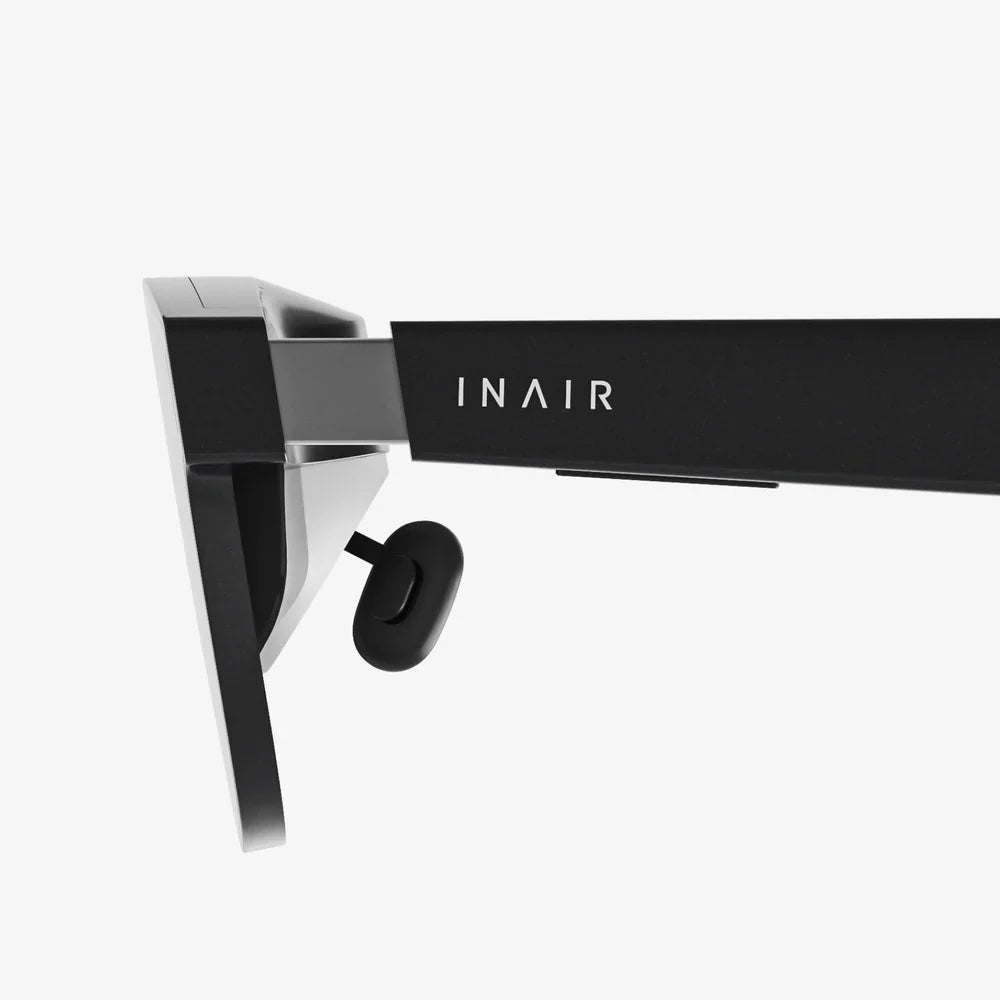
- Wearable AR: The eventual mainstream adoption of AR smart glasses will liberate AR from the handheld screen, creating a truly hands-free and always-available experience. Integration will shift from mobile SDKs to operating systems built specifically for glasses.
- AI-Powered AR: The fusion of AI computer vision with AR will enable even more sophisticated recognition and interaction. Imagine pointing your camera at a plant for it to be identified and labeled instantly, or at a restaurant menu to see personalized recommendations and reviews overlaid on the items.
To integrate AR effects today is to build a foundational competency for this incoming future. It's an investment in a new language of interaction that is only set to become more pervasive and powerful.
The screen is dissolving, and in its place, a new canvas is emerging—one that encompasses the world around us. The brands and creators who learn to paint on this canvas now, who master the art and science of weaving digital magic into physical reality, will not only capture attention today but will define the standards of engagement for tomorrow. The tools are here, the audience is ready, and the only limit is the creativity and strategy you bring to the process. Your audience isn't just waiting to view your content; they're waiting to step into it.
Share:
AI Productivity Is Transforming How We Work, Think, and Succeed
AI 3D Model Generator: The Unseen Revolution Reshaping Digital Creation