


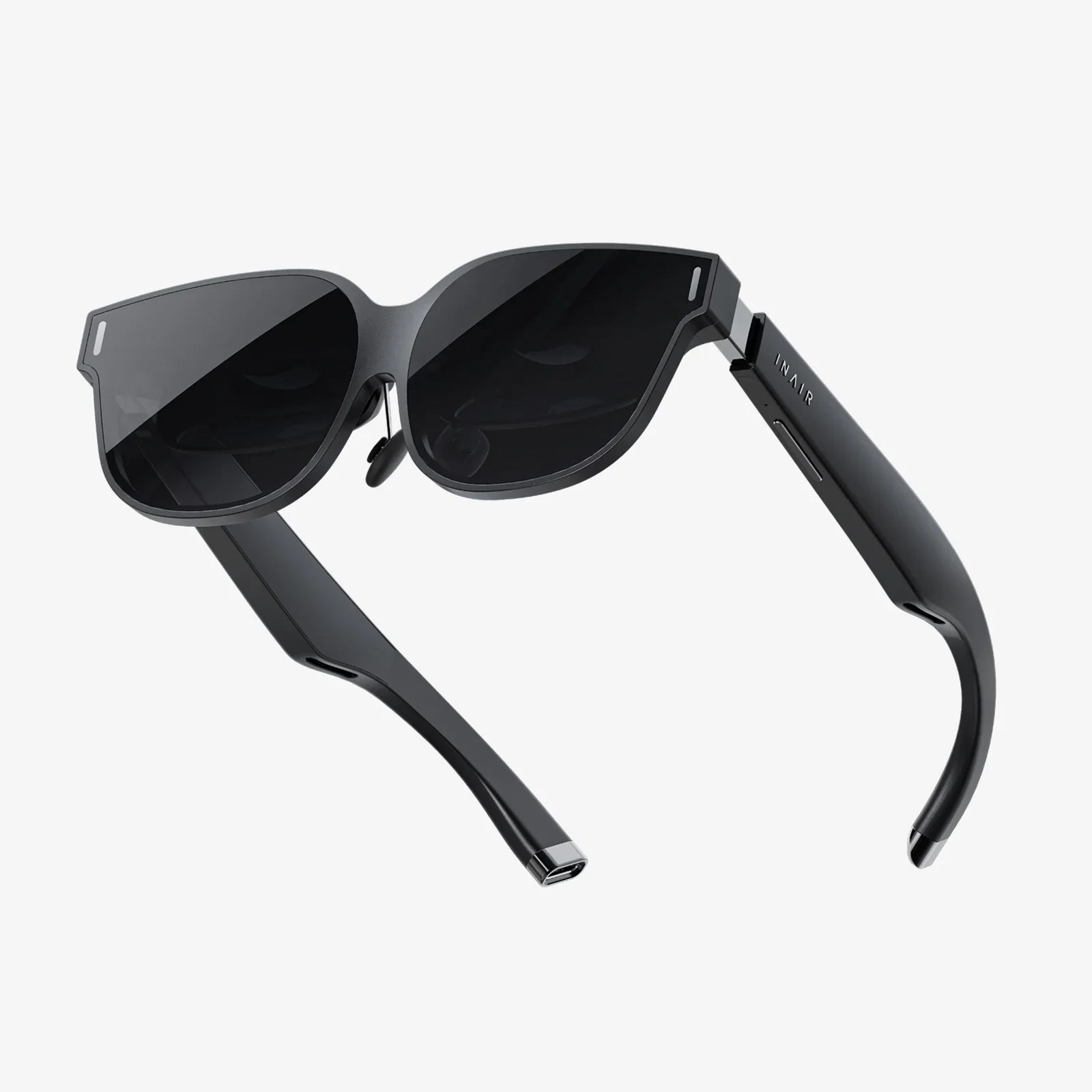
Imagine a world where your environment anticipates your needs, your workplace optimizes itself for peak efficiency, and the tedious tasks of daily life simply melt away, handled by an invisible network of silent, electronic helpers. This is no longer the stuff of science fiction; it is the emerging reality of intelligent devices working in concert to redefine human existence. From the moment you wake to a gentle, simulated sunrise from a smart lamp to the automated climate control that ensures your home is always the perfect temperature, these devices are weaving a fabric of digital intelligence into the very core of our daily routines. The revolution is not coming; it is already here, working diligently in the background, and its implications for how we live, work, and interact are profound and far-reaching.
The Foundation: Defining the Intelligent Ecosystem
At its heart, an intelligent device is any piece of equipment embedded with processors, sensors, and software that allow it to connect to a network, collect data, and perform actions with a degree of autonomy. The magic, however, does not lie in any single device but in the symphony they create when working together. This interconnected web, often called the Internet of Things (IoT) or the ambient computing environment, forms a distributed intelligence across our homes, cities, and workplaces.
These devices rely on a powerful combination of technologies to function effectively. Sophisticated sensors act as their eyes and ears, gathering vast amounts of real-world data on everything from motion and temperature to light levels and sound. This data is then processed, either locally on the device itself for quick response or sent to more powerful cloud computing platforms for complex analysis. Here, machine learning algorithms and artificial intelligence parse the information, identifying patterns, learning preferences, and making predictions. Finally, actuators—the muscles of the system—carry out the resulting decisions, whether it’s adjusting a thermostat, locking a door, or ordering more milk.
The Home Transformed: A Hub of Automated Efficiency
The most visible and personal impact of intelligent devices working is within the domestic sphere. The modern smart home is a testament to convenience and efficiency, automating tasks that once required constant human intervention.
- Climate and Energy Management: Smart thermostats learn your schedule and preferences, automatically adjusting the temperature to ensure comfort when you are home and saving energy when you are away. They can detect open windows, respond to weather forecasts, and even coordinate with smart vents to direct heating or cooling to specific rooms, dramatically reducing utility bills and environmental footprint.
- Enhanced Security and Peace of Mind: Intelligent security systems offer a level of awareness previously unavailable. Video doorbells allow you to see and speak with visitors from anywhere in the world. Smart locks can grant temporary, timed access to guests or service providers without needing a physical key. Motion sensors and cameras can distinguish between a family pet and an intruder, sending precise alerts and deterring potential threats.
- Kitchen and Domestic Appliances: Refrigerators can now track their contents, suggest recipes based on available ingredients, and even create shopping lists. Ovens can be preheated remotely, and coffee makers can have your brew ready the moment you step out of the shower. Robotic vacuum cleaners map out living spaces and clean them with minimal human input, freeing up hours of time each week.
This automation creates a home that is not just reactive but proactive, working silently to maintain comfort, security, and order, thereby freeing its inhabitants to focus on more meaningful activities.
The Intelligent Workspace: Redefining Productivity and Collaboration
Beyond the home, the concept of intelligent devices working is catalyzing a fundamental shift in the professional world. The modern office, factory, and retail space are becoming dynamic, data-driven environments.
The Automated Office
In office settings, intelligent systems are streamlining operations and enhancing employee well-being. Smart lighting systems adjust brightness and color temperature throughout the day to align with natural circadian rhythms, reducing eye strain and improving focus. Meeting room assistants can automatically schedule sessions, dial-in remote participants, and even transcribe discussions in real-time. Environmental sensors monitor air quality and CO2 levels, ensuring a healthy and productive atmosphere by triggering ventilation systems before the air becomes stale.
The Smart Factory and Supply Chain
The industrial sector, often referred to as Industry 4.0, is perhaps the area most transformed by this technology. Here, intelligent devices working form the backbone of the operation.
- Predictive Maintenance: Sensors on machinery continuously monitor vibration, temperature, and acoustic emissions. AI algorithms analyze this data to predict component failures long before they happen, scheduling maintenance during planned downtime and avoiding catastrophic, costly breakdowns.
- Optimized Logistics: In warehouses, autonomous mobile robots navigate aisles to pick and transport goods, working alongside human employees to fill orders with incredible speed and accuracy. Smart inventory systems use RFID tags and sensors to track assets in real-time, automatically triggering reorders when stock runs low and providing complete visibility across the entire supply chain.
- Enhanced Safety: Wearable devices on workers can monitor vital signs and detect falls, instantly alerting safety personnel in case of an emergency. Computer vision systems can ensure workers are wearing proper protective equipment and are not in dangerous proximity to heavy machinery.
The Future of Retail
Retail spaces are leveraging intelligent devices to create frictionless customer experiences. Smart shelves can detect when items are low and alert staff. Systems allow for checkout-free shopping, where customers simply pick up what they need and walk out, with their accounts charged automatically. Beacons can send personalized offers to shoppers' phones based on their location within the store, enhancing engagement and driving sales.
The Invisible Challenges: Security, Privacy, and the Human Factor
For all its benefits, the paradigm of intelligent devices working tirelessly behind the scenes is not without significant challenges. The very connectivity that enables their power also creates vulnerabilities that must be addressed.
The Security Dilemma
Every connected device represents a potential entry point for malicious actors. A poorly secured smart camera or thermostat can be hijacked and used as a bot in a larger network to launch cyberattacks. Worse, it can serve as a gateway to more sensitive personal data on a home network or even critical infrastructure in an industrial setting. Ensuring robust security protocols, regular software updates, and consumer education is not an optional add-on but an absolute necessity for this ecosystem to thrive safely.
The Privacy Paradox
To function, these devices collect staggering amounts of data about our most intimate spaces—our daily routines, our conversations, our preferences, and even our health metrics. This raises critical questions: Who owns this data? How is it being used? Is it being aggregated and sold to third parties? The constant, silent surveillance required for these devices to work can feel invasive, creating a tension between ultimate convenience and the right to privacy. Transparent data policies and strong regulatory frameworks are essential to maintain user trust.
Societal and Economic Implications
The automation enabled by intelligent devices will inevitably displace certain types of jobs, particularly those involving repetitive manual tasks. While new roles will be created to design, maintain, and manage these systems, a significant societal effort will be required for retraining and supporting displaced workers. Furthermore, the cost of advanced technology risks creating a digital divide, where only the wealthy can afford the conveniences and efficiencies of a fully intelligent home, potentially exacerbating existing social inequalities.
Navigating the Future: Towards a Symbiotic Relationship
The path forward is not to reject this technological evolution but to guide it consciously towards a human-centric future. The goal should be a symbiotic relationship where intelligent devices handle the mundane, allowing humans to focus on creativity, strategy, emotional connection, and innovation—the things we do best.
This requires a multi-faceted approach. Manufacturers must prioritize security and privacy by design, building them into the core of their products rather than as an afterthought. Policymakers need to craft agile regulations that protect citizens without stifling innovation. And as individuals, we must become more digitally literate, consciously choosing which aspects of our lives we wish to automate and understanding the trade-offs involved.
The most successful implementations will be those that feel intuitive and effortless, enhancing human capability without demanding constant attention or complex programming. The technology should recede into the background, its value felt not through a flashy interface but through the time, energy, and peace of mind it returns to us.
The hum of intelligent devices working is the sound of a world being remade. It is the quiet whir of a robotic vacuum, the silent signal from a sensor preventing an industrial accident, the unseen algorithm saving energy across a power grid. This network of digital intelligence is creating a world that is safer, more efficient, and more responsive than ever before. Yet, its ultimate success won't be measured in data points or automated tasks, but in its ability to amplify our humanity—giving us the freedom, security, and time to connect, create, and live more meaningful lives. The future is not about being served by machines; it's about partnering with them to build a better world.
Share:
AR Projects and Developments: Shaping the Future of Reality
AI Information: Navigating the New Frontier of Data, Intelligence, and Power