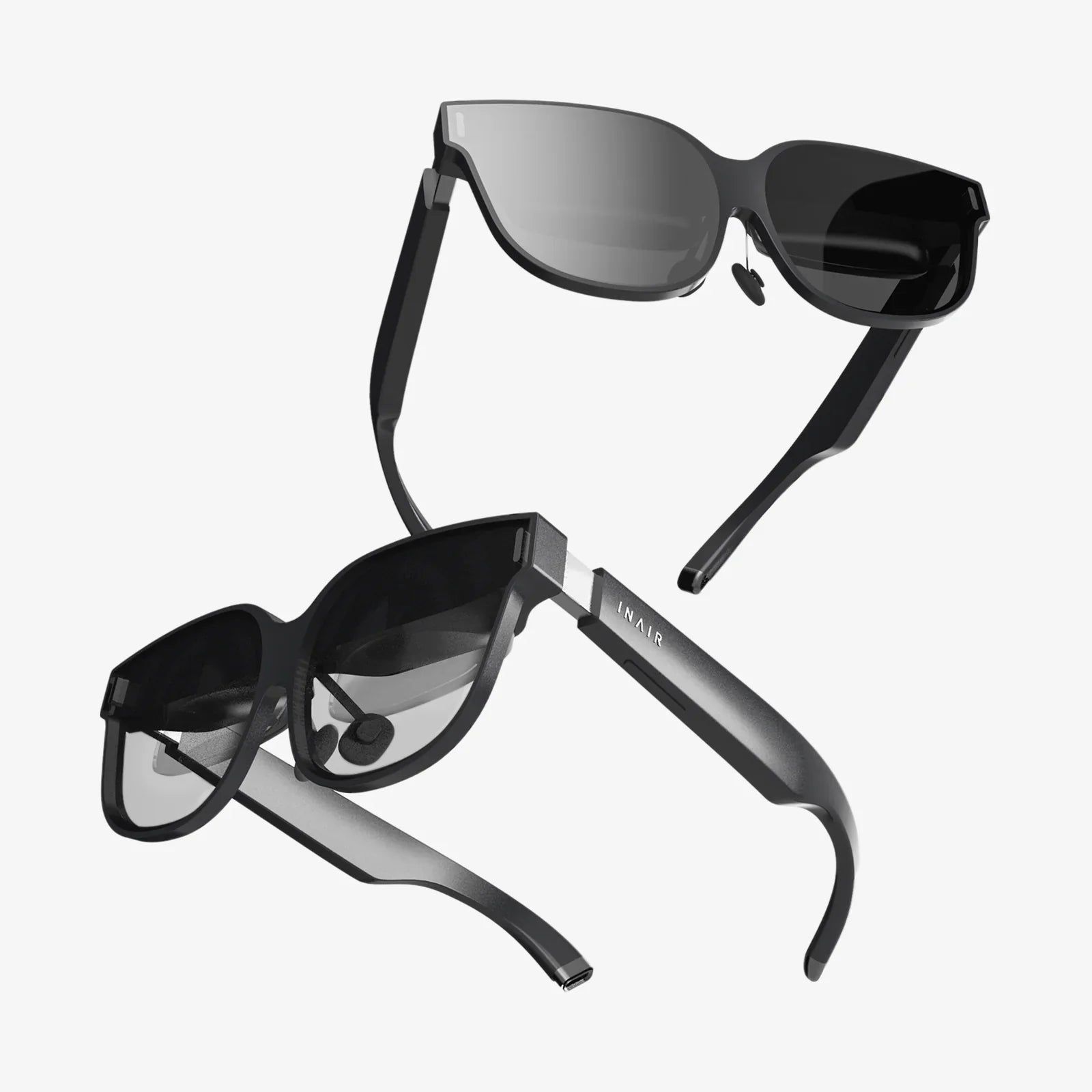
Imagine a wall that transforms from crystal clear to completely opaque at the touch of a button, a window that dynamically tints to block solar heat gain and eliminate glare, or a skylight that displays real-time data. This isn't science fiction; it's the reality of intelligent glass, a revolutionary material poised to redefine our built environment. But for many architects, builders, and homeowners, the first question that arises is a practical one: what is the intelligent glass price? The answer is far from a simple figure on a spec sheet. It's a complex equation balancing cutting-edge technology, material science, and long-term value against upfront cost. This article will peel back the layers of this innovative product, providing a comprehensive guide to understanding its cost, the factors that drive it, and why focusing solely on the initial price tag is to miss the bigger, smarter picture.
Deconstructing the Cost: What You're Actually Paying For
To understand the intelligent glass price, one must first appreciate that it is not a single, uniform product but a category of advanced glazing solutions. The cost is a reflection of the sophisticated technology and high-performance materials encapsulated within what appears to be a simple pane of glass.
The Core Technology: Electrochromic, PDLC, and SPD
The heart of any intelligent glass product is its active technology, which is the primary driver of cost. The three main types are:
-
Electrochromic (EC): This technology operates by using a low-voltage electrical charge to move ions between layers, causing the glass to tint uniformly. It is highly energy-efficient, excellent for glare control, and offers a range of tint states. The manufacturing process is complex, involving the deposition of multiple microscopically thin layers of metal oxides onto the glass substrate, which contributes significantly to its cost.
-
Polymer Dispersed Liquid Crystal (PDLC): This technology scatters light in its off state (opaque) and aligns crystals to become transparent when voltage is applied. It provides instant privacy on demand but is generally less effective at blocking infrared heat than electrochromic options. The cost is often associated with the liquid crystal material and the conductive coatings required.
-
Suspended Particle Device (SPD): Similar to PDLC, SPD glass uses suspended particles that align when voltage is applied to allow light to pass through. It can be tuned to various levels of light transmission and is very effective at glare control. The sophisticated chemical film containing the particles is a key cost component.
Each technology has its own patent landscapes, manufacturing complexities, and material costs, all of which are factored into the final intelligent glass price.
Material and Manufacturing Considerations
Beyond the active layer, several other factors influence the base price:
-
Glass Type and Quality: Intelligent glass modules are typically built using high-quality, low-iron glass for maximum clarity. They can be laminated for safety and acoustic performance, or even incorporated into insulating glass units (IGUs) for superior thermal efficiency. Each additional layer or performance enhancement adds to the cost.
-
Size and Customization: Unlike standard window glass, which is often produced in massive, standardized sheets, intelligent glass is frequently custom-made to project specifications. Larger panels or unusual shapes require more complex manufacturing and handling, increasing the price.
-
Conductive Coatings: Transparent conductive oxides (TCOs), such as indium tin oxide (ITO) or more modern alternatives, are applied to the glass surface to carry the electrical current needed for operation. The quality and type of coating impact both performance and cost.
The Complete System: Beyond the Pane of Glass
A critical mistake in evaluating intelligent glass price is considering only the glazing itself. In reality, it is a complete electro-optical system that requires several other components to function:
-
Control Systems: This includes everything from simple wall switches to sophisticated building automation system (BAS) interfaces, smart home integration hubs (like Zigbee or Wi-Fi modules), and advanced software for scheduling and automation. The complexity of the desired control directly affects this portion of the budget.
-
Power Supply and Wiring: Each panel requires a low-voltage DC power source. For large installations, this means a centralized power management system and dedicated wiring run by qualified electricians, adding to the installation labor and material cost.
-
Professional Installation: Installing intelligent glass is not a typical glazier's job. It requires technicians who understand both the structural sealing principles and the electrical integration, ensuring the system is both weather-tight and functionally operational. This specialized labor is a necessary part of the total investment.
Therefore, the total project cost for intelligent glass is the sum of the glazing units, the control hardware, the electrical infrastructure, and the specialized installation labor.
Key Variables That Dictate Your Project's Price Tag
While the technology sets a baseline, your specific project parameters will ultimately determine the final intelligent glass price. Key variables include:
-
Project Scale: As with most technologies, economies of scale apply. A large commercial façade comprising hundreds of identical units will have a significantly lower cost per square foot than a one-off residential bathroom skylight. Volume purchasing reduces the per-unit cost of both the glass and the control systems.
-
Performance Specifications: How dark does the glass need to get? How quickly must it switch? What level of UV and infrared rejection is required? Higher performance benchmarks in terms of tint range (e.g., a wider variable transmission range from 1% to 60% versus 5% to 40%), faster switching speeds, and better thermal properties require more advanced engineering and materials, pushing the price upward.
-
Integration Complexity: A simple, standalone switch is inexpensive. Integrating the glass with a full-building management system, daylight sensors, occupancy sensors, and timers for a fully automated, energy-optimized environment adds layers of cost in hardware, software, and programming.
-
Glazing Configuration: Is the intelligent glass going into a single pane, a laminated assembly, or a double- or triple-pane insulated unit? Incorporating it into a high-performance IGU adds the cost of the additional glass panes, the spacer, the gas fill (e.g., argon or krypton), and the more complex manufacturing process.
The Value Proposition: Why the Initial Price is Only Part of the Story
Focusing solely on the upfront intelligent glass price is a short-sighted approach. The true assessment comes from evaluating its long-term value and Return on Investment (ROI), which is realized through multiple channels.
Energy Efficiency and Operational Savings
This is one of the most significant value drivers. By dynamically controlling solar heat gain, intelligent glass dramatically reduces the cooling load on a building's HVAC system. Studies have shown potential cooling energy savings of up to 20-25% in hot climates. In winter, it can allow passive solar heating in its clear state. This reduction in energy consumption leads to lower utility bills year-round, directly offsetting the initial investment over time.
Enhanced Human Comfort and Productivity
The value of occupant comfort is immense but often unquantified. Intelligent glass eliminates glare on computer screens, reduces hot spots near windows, and provides consistent, diffused natural light. This creates a more pleasant and productive work environment, which can lead to higher employee retention, reduced absenteeism, and increased output—a huge value for corporate tenants and employers.
Preservation and Sustainability
By blocking over 99% of harmful ultraviolet rays, intelligent glass protects interior furnishings, artwork, carpets, and fixtures from fading and degradation. This preserves the value of these assets and reduces replacement costs. Furthermore, its contribution to energy efficiency supports sustainability goals, helps achieve green building certifications like LEED, and enhances the overall marketability and value of the property.
The Future of Cost: Trends Pointing Towards Affordability
The market for intelligent glass is on a trajectory that suggests costs will become more accessible over time. Several trends are contributing to this:
-
Manufacturing Innovation and Scale: As demand increases, manufacturers are investing in more efficient production lines and larger-scale fabrication processes, which will drive down the per-unit cost of the active glass components.
-
Material Advancements: Research into alternative, less expensive conductive materials and more efficient chemical processes is ongoing. Success in these areas will reduce the cost of the core functional layers.
-
Market Competition: The number of companies entering the smart glass space is growing. This increased competition will inevitably place downward pressure on prices as companies strive to capture market share.
-
Standardization: The industry is moving towards more standardized control protocols and form factors, which will simplify installation and integration, reducing the soft costs associated with custom engineering.
While it will likely remain a premium product, the intelligent glass price is expected to become more competitive with other high-end building facade options, making it a more standard consideration for a wider range of projects.
So, before you dismiss intelligent glass as a futuristic luxury, consider the full financial picture. The initial investment, while substantial, is effectively a down payment on a future of radically reduced energy bills, unparalleled occupant comfort, and preserved interior assets. It's the difference between buying a cheap appliance that racks up high electricity costs and investing in a premium, energy-efficient model that pays for itself. The true cost of intelligent glass isn't just its price tag—it's the price of not embracing a smarter, more sustainable, and more responsive way to build.