


- by wangfred
Interactive AR App: Transforming Reality and Revolutionizing Digital Engagement
- by wangfred
Imagine pointing your device at a seemingly ordinary city street and watching a historical battle unfold right before your eyes, or seeing a virtual dinosaur stomp through your living room, its roar echoing off your walls. This is no longer the stuff of science fiction; it’s the captivating reality unlocked by the interactive AR app, a technology that is seamlessly stitching the digital and physical worlds into a single, immersive experience. These applications are rapidly moving from playful gimmicks to powerful tools, poised to revolutionize everything from education and retail to manufacturing and social connection. The screen is no longer a barrier but a window, and through it, we are beginning to see a radically enhanced version of our own world.
At its core, an interactive AR app functions by leveraging a sophisticated combination of hardware and software to create a persistent and responsive digital layer over our physical environment. The magic begins with the device's camera, which acts as its eyes, continuously capturing the real world. This visual data is then processed in real-time by complex algorithms.
Simultaneous Localization and Mapping (SLAM) technology is the true hero behind the scenes. SLAM allows the app to simultaneously understand the geometry of the environment (mapping) and pinpoint the device's exact position within that space (localization). It identifies unique feature points—edges, corners, textures—to create a point cloud map of the room or area. This is why a virtual character can convincingly hide behind your real sofa; the app knows the sofa exists in 3D space.
Once the environment is mapped, the app employs plane detection to identify horizontal surfaces like floors and tables, and vertical surfaces like walls. This allows digital objects to be placed on these surfaces with realistic physics, ensuring they don't float mid-air. Finally, the app renders high-fidelity 3D models, animations, or informational overlays, perfectly aligned and anchored to the real world. User interaction is facilitated through the touchscreen, voice commands, or even gesture recognition, making the experience not just visual but truly tactile and engaging.
The power of an interactive AR app lies in its versatility. Its applications are sprawling across countless sectors, solving real-world problems and creating entirely new experiences.
Interactive AR is turning learning from a passive activity into an active exploration. Instead of reading about the solar system, students can hold it in their hands, watching planets orbit the sun at scaled speeds. Medical students can practice complex surgical procedures on detailed, interactive holograms of human anatomy, making mistakes without consequence. Mechanics in training can see step-by-step repair instructions overlaid directly onto the engine they are working on, drastically reducing training times and improving knowledge retention. This "see-one, do-one" approach, facilitated by AR, is arguably the most significant advancement in pedagogical methodology in decades.
The days of wondering if a new sofa will fit in your lounge are over. Interactive AR apps allow consumers to project true-to-scale 3D models of furniture, appliances, and decor into their own homes. They can walk around the item, see how the light hits it at different times of day, and verify the fit and style before making a purchase. The fashion industry is adopting virtual fitting rooms, where shoppers can "try on" clothes, glasses, and makeup instantly. This not only enhances consumer confidence and reduces return rates but also creates a memorable, engaging brand experience that transcends traditional e-commerce.
On factory floors and in design studios, interactive AR is a powerful tool for visualization and collaboration. Designers can project full-scale 3D prototypes of new vehicles or buildings into an empty space, allowing stakeholders to walk through and interact with a design long before a physical prototype is built. Architects can show clients exactly what a new extension will look like from their garden. For maintenance technicians, AR can overlay schematics, highlight faulty components, and display real-time data from machinery, turning any engineer into an instant expert and minimizing downtime.
Perhaps one of the most exciting developments is the use of interactive AR to foster new forms of social connection and narrative. Location-based AR experiences encourage people to explore their cities, working together to solve puzzles or capture virtual creatures. This creates a shared, common experience in public spaces. Storytelling is being reimagined, with books becoming interactive portals where characters leap off the page and narratives unfold in the reader's environment. This blend of physical and digital play is creating a new genre of entertainment that is communal, active, and deeply personal.
Despite its immense potential, the path forward for interactive AR is not without significant hurdles. The very nature of the technology, which relies on capturing and analyzing our surroundings, raises profound privacy and security concerns. Continuous video recording and environmental mapping could lead to unprecedented levels of data collection about our private lives and habits. Robust ethical frameworks and transparent data policies are not optional; they are essential for earning and maintaining public trust.
Furthermore, accessibility remains a critical issue. Currently, the most immersive AR experiences often require high-end devices or specialized headsets, creating a cost barrier. For the technology to achieve its world-changing potential, it must become as ubiquitous and affordable as the smartphone. Developers must also prioritize inclusive design, ensuring AR applications are usable by people with a wide range of physical abilities and visual impairments. Bridging this digital divide is crucial to prevent a new form of technological exclusion.
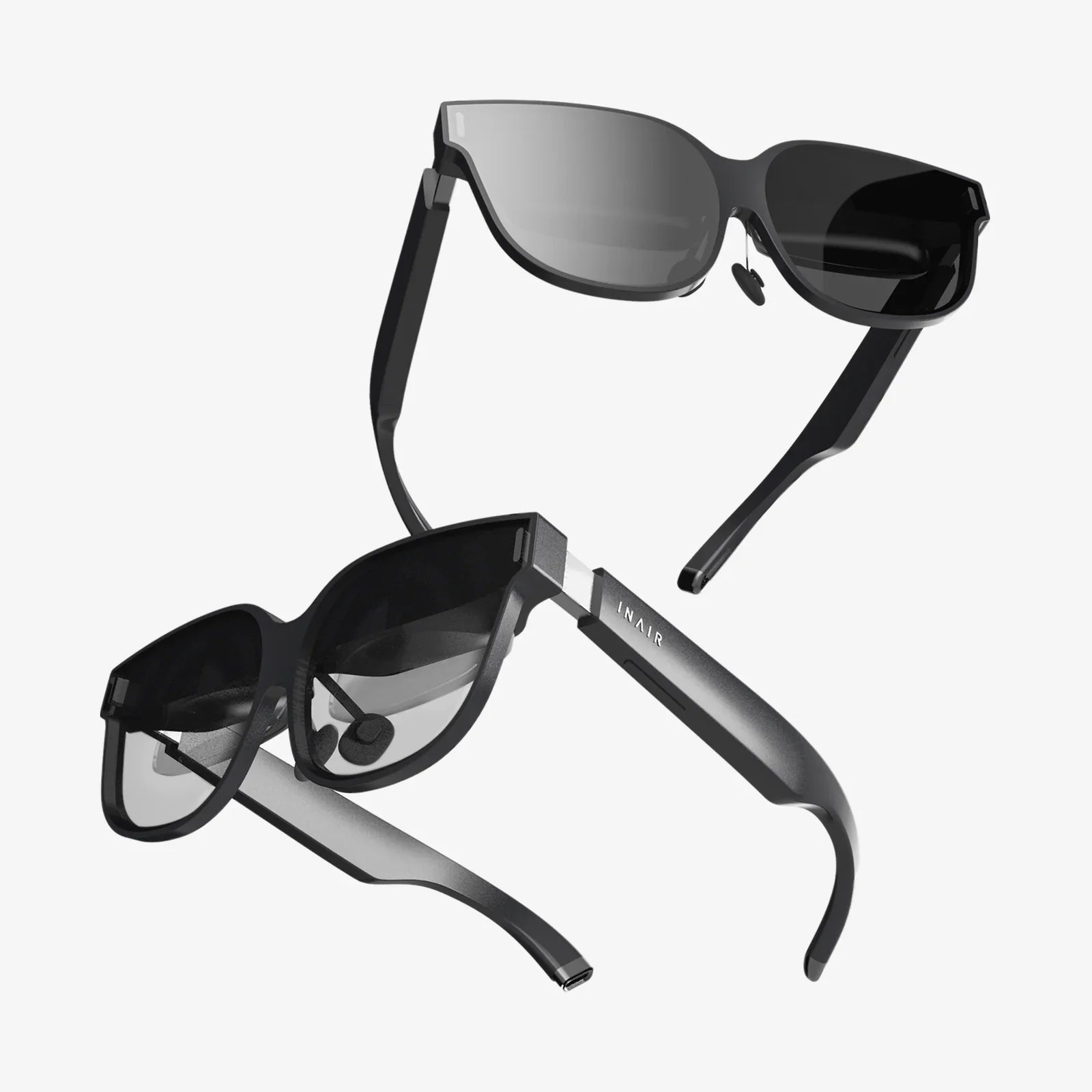
The interactive AR app of today is merely a glimpse of what is to come. The future points toward the gradual abandonment of the handheld screen in favor of wearable technology like sleek AR glasses and eventually contact lenses. This will untether our hands and make the digital overlay a constant, seamless part of our perception. The concept of the "metaverse"—a persistent network of shared virtual spaces—will likely be accessed and interacted with primarily through AR, anchoring digital worlds to our physical reality.
Advancements in artificial intelligence and spatial computing will make interactions more intuitive and context-aware. Your AR device will not only see your environment but understand it, anticipating your needs and providing information before you even ask. The line between what is real and what is digitally augmented will become increasingly blurred, creating a new, hybrid reality that enhances human capability and redefines our everyday experiences.
The door to a layered reality is now open, and interactive AR apps are the key. This is more than an evolution of the smartphone; it is a fundamental shift in our relationship with technology itself, promising a future where our digital and physical lives are not separate, but beautifully, intelligently, and interactively intertwined. The potential is limited only by our imagination, and the next chapter of human-computer interaction is being written right before our eyes—literally.