


Imagine reaching into thin air to manipulate a complex 3D model, share a virtual handshake with a colleague on another continent, or learn about the ancient world by walking through a historical artifact rotating gently in the center of your living room. This is not a scene from a science fiction film; it is the imminent reality promised by interactive holographic displays, a technology poised to shatter our two-dimensional screens and redefine the very nature of human-computer interaction. The leap from passive observation to active, tactile engagement with digital information represents one of the most profound technological shifts on the horizon, and it is arriving faster than we think.
Beyond the Screen: Defining the Technology
At its core, an interactive holographic display is a system that generates a three-dimensional light field, creating the visual perception of an object occupying physical space without the need for a traditional screen or specialized eyewear. Unlike a 3D movie, which offers an illusion of depth from a single perspective, a true hologram can be viewed from all angles, providing parallax and depth cues that are identical to viewing a real object. The "interactive" component elevates this further, integrating sensors and feedback systems that allow users to manipulate, control, and communicate with the holographic image through gestures, touch, voice, and other interfaces.
This breaks the long-standing paradigm of the rectangular screen as the sole window to digital content. Instead of looking at a world of information, we will soon be looking into it, or even standing within it. The distinction is fundamental, moving computing from something we operate to an environment we inhabit.
The Science of Light and Illusion: How It Works
Creating a convincing, interactive hologram is a monumental technical challenge that draws from optics, computer science, and engineering. While the specific methods are complex and varied, they generally fall into a few key categories.
Photonic Manipulation and Light Field Projection
Many modern systems rely on precisely manipulating photons—the particles of light. One common method uses a series of lenses or mirrors to project a two-dimensional image onto a rapidly rotating surface or through a vibrating membrane. Through persistence of vision, the human eye perceives this rapidly refreshed 2D image as a stable 3D object floating in space. Another advanced technique involves using laser beams to excite air molecules at a specific focal point, causing them to plasma-glow and literally draw a dot in mid-air. By moving this focal point at incredible speed, it can trace out a full three-dimensional image, voxel by voxel (a volumetric pixel).
Pepper's Ghost and Optical Tricks
For stage performances and some commercial applications, a refined version of a 19th-century technique called "Pepper's Ghost" is still employed. This involves placing a transparent film or glass pane at a 45-degree angle between the viewer and a hidden, brightly lit object or screen. The film reflects the image of the object while remaining transparent, making a high-resolution 2D image appear to float in the room. While not a true volumetric display, when combined with motion tracking for interaction, it creates a highly compelling and accessible holographic effect.
The Crucial Role of Interaction
Creating the visual is only half the battle. For the display to be interactive, it requires a sophisticated array of sensors to detect user input. This often involves a combination of technologies:
- Depth-Sensing Cameras: Similar to those found in some gaming consoles, these cameras map the room in 3D, tracking the precise position of a user's hands and fingers.
- LiDAR (Light Detection and Ranging): Uses laser pulses to measure distances and create a high-resolution 3D map of the environment, allowing for extremely accurate tracking.
- Ultrasonic Emitters: Can create a tactile feedback sensation by focusing sound waves on a user's hands, simulating the feeling of touching a solid object.
- Machine Learning Algorithms: Software interprets the raw sensor data, distinguishing intentional gestures from random movements and translating them into commands.
This fusion of display and sensing technology creates the magical experience of reaching out and touching light itself.
Transforming Industries: From Concept to Application
The potential applications for this technology stretch across nearly every sector, promising to revolutionize how we work, learn, heal, and play.
Revolutionizing Medicine and Healthcare
In healthcare, interactive holograms are moving from futuristic fantasy to practical tool. Surgeons can now use them to visualize complex patient anatomy, such as a CT or MRI scan, as a full 3D model floating above the operating table. They can rotate the model, peel away layers, and even practice a procedure virtually before making an incision. This provides an intuitive understanding of spatial relationships that 2D screens simply cannot offer. Furthermore, medical students can study detailed holographic representations of the human body, interacting with each system in a way that makes textbooks obsolete. Telemedicine could also be transformed, allowing a specialist to appear as a hologram in a remote clinic to consult with a local doctor, pointing to specific areas on a patient's holographic scan.
Redefining Design and Engineering
The fields of architecture, automotive, and industrial design are ripe for disruption. Design teams can collaborate around a full-scale holographic prototype of a new building, car engine, or consumer product. They can walk around it, step inside it, and make virtual modifications in real-time, identifying design flaws long before a physical prototype is ever built. This saves immense amounts of time, resources, and materials. An engineer working on complex machinery could call up a holographic schematic, taking it apart and putting it back together with gestures to understand its operation and plan maintenance procedures.
The Future of Communication and Collaboration
Video conferencing, while useful, still feels like a poor imitation of being in the same room. Holographic communication aims to change that. Imagine a business meeting where participants from around the globe are projected as life-sized, three-dimensional holograms, able to make eye contact and share body language naturally. They could collaboratively manipulate 3D data models, charts, and presentations that appear in the center of the meeting room. This sense of "co-presence" could make remote collaboration more effective and personal, reducing the need for travel and shrinking the perceived distances between global teams.
Creating Immersive Retail and Entertainment Experiences
Retail is set for a dramatic overhaul. Instead of looking at a product on a website, you could project a holographic version of it into your home. You could see how a new sofa fits in your living room, examine the details of a sneaker from every angle, or "try on" a watch holographically on your wrist. Museums could bring exhibits to life, allowing visitors to interact with historical figures or manipulate ancient artifacts that are too fragile to be handled. Live events and concerts could be broadcast holographically, making it feel as though your favorite artist is performing right in your local venue.
Navigating the Challenges: The Road Ahead
Despite the breathtaking progress, significant hurdles remain before interactive holographic displays become ubiquitous household items.
- Computational Power: Rendering high-resolution, photorealistic 3D graphics in real-time requires an enormous amount of processing power, far beyond what is needed for today's 3D games.
- Cost and Accessibility: Currently, the most advanced systems are prohibitively expensive, limiting them to corporate, medical, and research laboratories.
- Content Creation: A new medium requires a new language of content. Developers and artists need new tools and frameworks to create experiences specifically for holographic environments, moving beyond the constraints of the 2D page.
- Human Factors and Safety: Long-term effects of interacting with bright light fields and the potential for user fatigue or disorientation need thorough study. Furthermore, establishing intuitive and universal interaction paradigms is an ongoing challenge.
Overcoming these challenges is not a matter of if, but when. As processing power continues to advance according to Moore's Law and new, more efficient display techniques are invented, the cost will drop, and the fidelity will rise.
A Glimpse into the Holographic Future
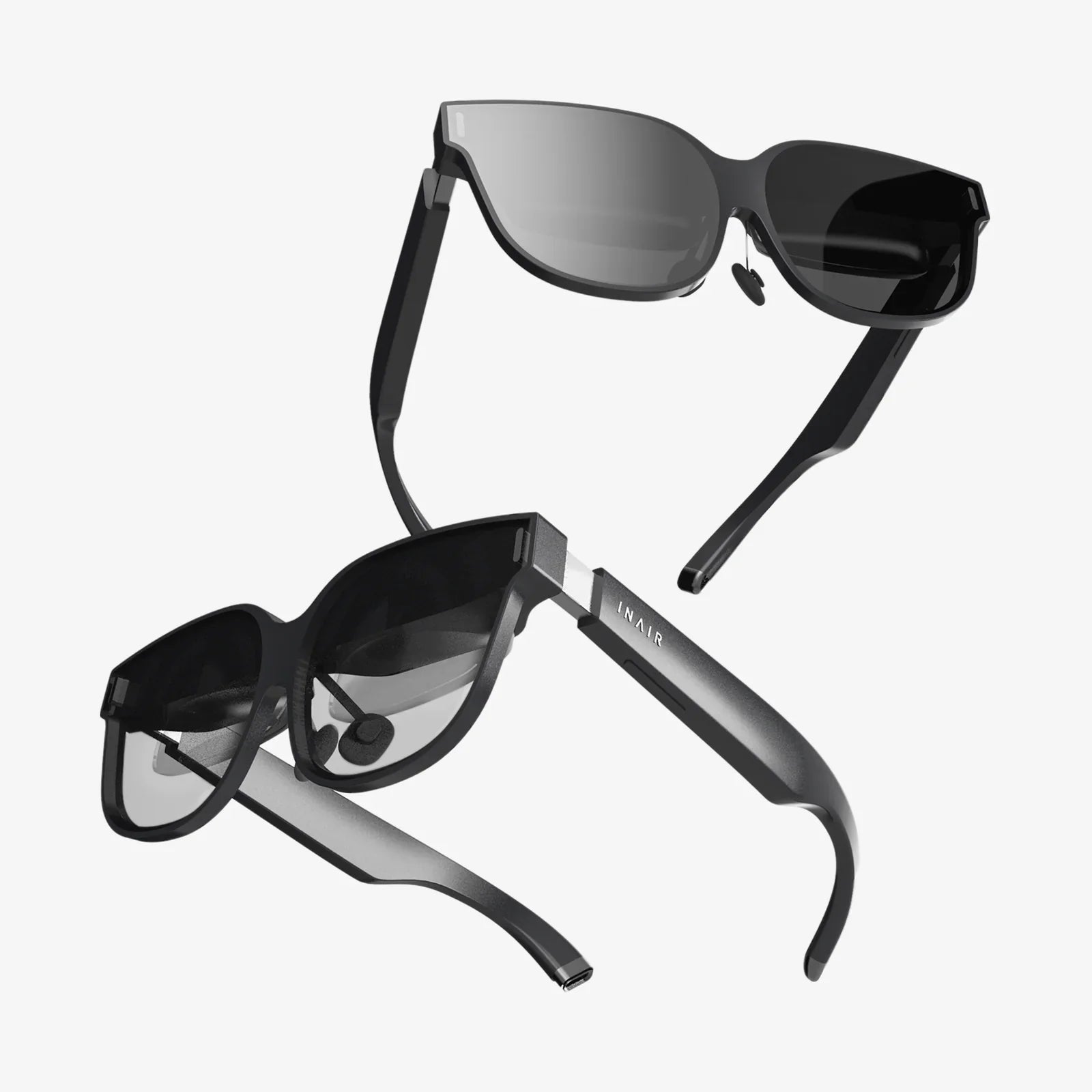
Looking a decade or two into the future, we can envision a world where the interactive holographic display is as common as the smartphone is today. It could become the primary interface for all our computing devices, replacing monitors, televisions, and dashboards. Our homes and offices might be equipped with projectors that can turn any clear space into a display surface. We might wear lightweight glasses that can overlay contextual holographic information onto the real world—imagine repair instructions hovering over a broken appliance or navigation arrows painted onto the road ahead of you.
This technology has the potential to dissolve the final barrier between the digital and the physical, creating a seamless blended reality. It promises to make information more intuitive, collaboration more human, and experiences more magical. It is the next logical step in our relentless quest to make digital information not just visible, but tangible.
The flat screen has had a good run, serving as our portal to the digital universe for decades. But its reign is nearing its end. A more intuitive, immersive, and powerful window is opening—one built not of glass and plastic, but of pure light. The ability to not just see data, but to hold it, spin it, dissect it, and share it in the air around us will unlock new forms of creativity, accelerate discovery, and connect us in ways we are only beginning to imagine. The age of passive consumption is fading; the era of active, tangible interaction with the digital realm is dawning, and it will change everything.
Share:
Virtual Reality Computing: The Next Paradigm Shift in Human-Computer Interaction
Touch Sensor Display: The Invisible Revolution Reshaping Our Digital World