


- by wangfred
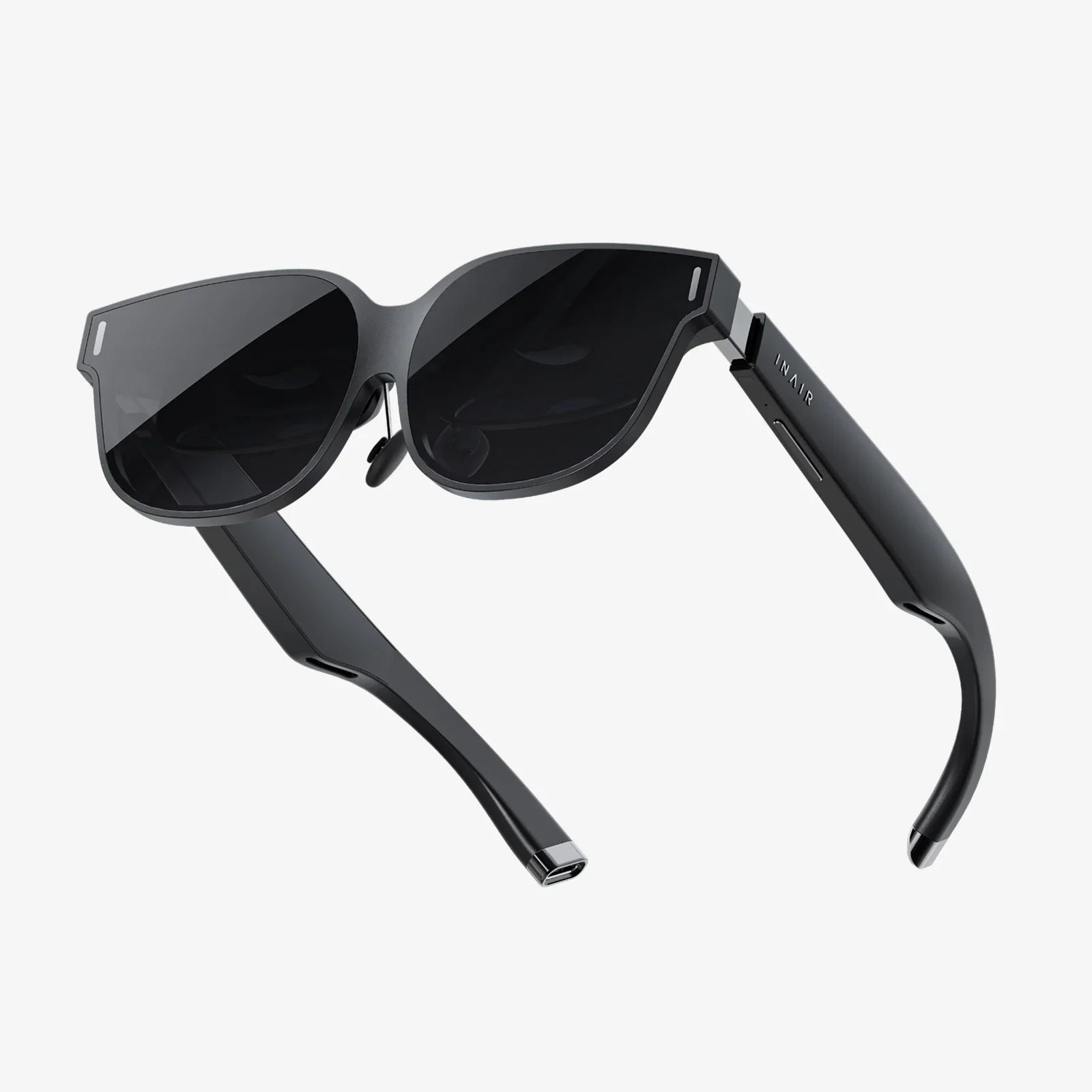
Interactive Virtual Reality Headset: The Ultimate Portal to Immersive Digital Worlds
- by wangfred
Imagine slipping on a device and instantly being transported. The familiar confines of your room dissolve, replaced by the dizzying summit of a mountain, the bustling bridge of a starship, or a recreated ancient Roman forum where you can reach out and touch the weathered stone. This is the promise, and now the reality, of the modern interactive virtual reality headset. It’s the ultimate key, unlocking doors to experiences previously confined to our dreams and imaginations, and it’s reshaping our relationship with technology, information, and each other in ways we are only beginning to understand.
At its core, an interactive virtual reality headset is a feat of engineering designed to trick the human brain into accepting a digital reality. This illusion, known as presence, is achieved through a sophisticated symphony of hardware and software components working in perfect harmony.
The journey begins with two high-resolution displays, one for each eye, positioned mere centimeters from the user's face. These screens project slightly different images, mimicking the binocular vision of human sight to create a convincing sense of depth and scale. The raw image from these displays is then filtered through a series of specialized aspherical lenses. These lenses are the unsung heroes of the experience; they warp and focus the image, ensuring it fills the user's entire field of view (FOV) and remains sharp and clear, effectively placing the virtual world at a comfortable focal distance to prevent eye strain.
Driving these rich, complex visuals requires significant computational power. This can be handled by an external processing unit, like a powerful computer or console, or by a self-contained system-on-a-chip within the headset itself for a completely untethered experience. This processor is the central nervous system, but the true "interactive" element comes from the array of sensors.
Modern headsets employ a combination of technologies for precise positional tracking:
This tracking data is processed thousands of times per second, allowing the virtual world to react instantly to the user's slightest movement—a tilt of the head, a crouch, or a lean to the side. This 1:1 movement correlation is the fundamental bedrock of immersion, preventing the disorientation of simulator sickness and making the world feel solid and real.
Seeing a world is one thing; touching and manipulating it is another. Interactive VR controllers are extensions of the user's hands in the digital realm. They are packed with their own sensors, including inertial measurement units (IMUs) for orientation, buttons, triggers, and touch-sensitive pads. Advanced models even feature finger-tracking technology, allowing for natural gestures like pointing, grabbing, and waving.
This physical interaction is soldered into the user's perception through haptic feedback. These small, precise motors generate vibrations and forces that simulate touch. The sensation can range from the subtle buzz of a virtual object brushing against your hand to the sharp recoil of a virtual tool or the satisfying click of pressing a virtual button. This tactile layer is crucial for selling the illusion of reality, creating a powerful feedback loop between action and sensation.
While gaming and entertainment are the most visible and popular applications, the utility of the interactive virtual reality headset extends far beyond, revolutionizing professional fields and creating new paradigms for human activity.
VR offers an unparalleled medium for experiential learning. Instead of reading about the human heart, medical students can don a headset and step inside a photorealistic, scaled-up model, watching blood pump through chambers and valves, and even practicing virtual surgeries in a risk-free environment. Similarly, mechanics can train on complex engine assemblies, and astronauts can simulate extravehicular activities on the International Space Station. This learning-by-doing in a simulated environment dramatically improves knowledge retention and skill acquisition.
The therapeutic potential of VR is immense. It is being used for exposure therapy, allowing patients with phobias like fear of heights or flying to confront their anxieties in a controlled, gradual, and safe setting. Pain management is another frontier; immersive VR experiences have been shown to effectively distract patients from acute and chronic pain, reducing the reliance on pharmacological painkillers. Furthermore, VR is a powerful tool for physical rehabilitation, turning repetitive exercises into engaging games that motivate patients to complete their therapy regimens.
The concept of the "virtual office" is evolving. With an interactive virtual reality headset, remote teams are no longer confined to flat video calls. They can meet in a shared virtual space as lifelike avatars, interacting with 3D models of products, architectural designs, or complex data visualizations. Architects can walk clients through a building before the foundation is poured, and engineers from different continents can collaboratively assemble a prototype, examining it from every angle as if it were physically present. This spatial collaboration fosters a level of understanding and creativity that is impossible to achieve through traditional 2D screens.
The ascent of such a powerful technology is not without its challenges and ethical considerations. As we embrace these new digital frontiers, we must also navigate their potential pitfalls with care and foresight.
The profound sense of presence generated by VR can be a powerful tool for fostering empathy. Documentaries created for VR place viewers directly in the shoes of others—be it a refugee in a camp or a person living with a disability—creating a visceral, emotional understanding that transcends traditional media. However, this same intensity can have adverse effects. Prolonged exposure to highly stimulating or stressful virtual environments could lead to increased anxiety or difficulty readjusting to the real world. The psychological line between a powerful experience and an overwhelming one is thin and must be respected by creators and users alike.
An interactive virtual reality headset is arguably the most personal data-collection device ever created. It doesn't just know what you click; it knows where you look, how you move, the sound of your environment, and even the micro-expressions on your face. This biometric data is incredibly valuable and sensitive. As we move towards more persistent and interconnected virtual spaces (often called the metaverse), questions of data ownership, privacy, and security become paramount. Who owns the data generated by your virtual self? How is it used, and how is it protected? Establishing robust ethical frameworks and regulations is critical to prevent misuse and protect users.
For all its potential, the technology still faces significant barriers to widespread adoption. Cost remains a primary factor, putting high-end interactive experiences out of reach for many. Furthermore, issues of physical accessibility must be addressed; experiences must be designed for users with different physical abilities, and the hardware itself must become more comfortable and adaptable for prolonged use. Ensuring that the benefits of VR are available to all, not just a privileged few, is essential for its healthy integration into society.
The technology behind the interactive virtual reality headset is advancing at a breathtaking pace. We are moving towards lighter, more comfortable, and more powerful devices with higher-resolution displays, wider fields of view, and even more intuitive forms of interaction. Key areas of development include:
These advancements will continue to erode the barriers between the physical and the digital, making virtual experiences increasingly indistinguishable from reality and opening up possibilities we can scarcely imagine today.
The click of a power button is all that separates you from walking on Mars, performing a life-saving operation, or creating art in a 3D space limited only by your imagination. The interactive virtual reality headset is more than just a piece of hardware; it is a passport, a classroom, a therapist's office, a design studio, and a gateway to the collective human imagination. The door is now open, and the next great adventure is waiting just on the other side, ready for you to step through and explore its infinite possibilities.
Share:
Virtual Reality and Intelligent Hardware: The Symbiotic Future of Human-Computer Interaction
Virtual Reality Environment: A Deep Dive into the Digital Worlds Reshaping Our Reality