


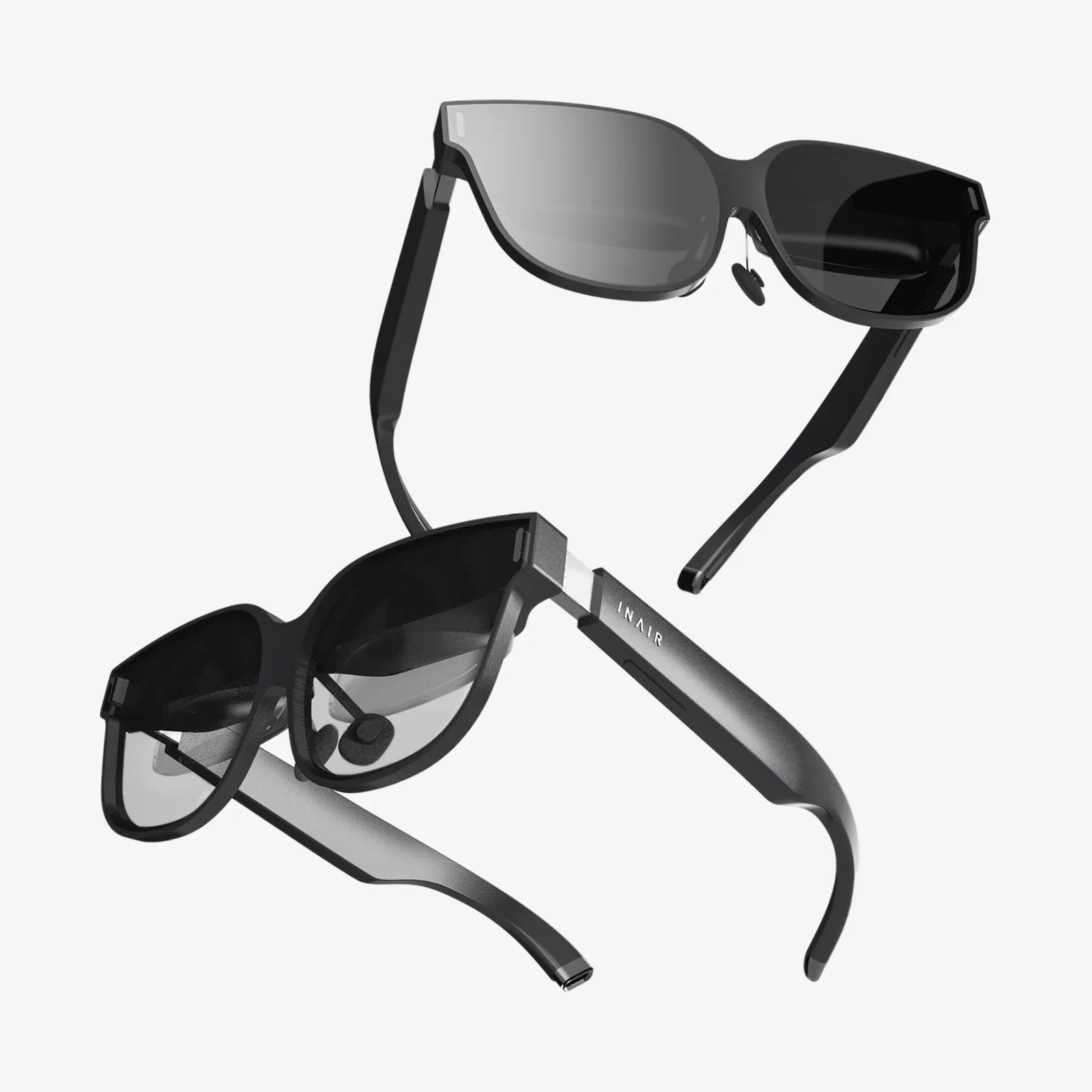
Imagine a world where the line between the digital and the physical isn't just blurred—it's erased. Where you can train for a high-stakes surgical procedure, walk through your new home before the foundation is even poured, or sit across a virtual table from a colleague on the other side of the planet, all without leaving your room. This is not a distant sci-fi fantasy; it is the present and rapidly evolving reality being built by interactive VR AR services. These technologies are moving beyond novelty to become indispensable tools, weaving themselves into the very fabric of our professional and personal lives, and in doing so, they are offering a glimpse into a future of limitless possibility.
The Foundational Pillars: Defining the Interactive Experience
At its core, the power of this revolution lies in the word interactive. Passive viewing of a 360-degree video is a mere glimpse into the potential. True interactive services are built upon several key technological pillars that transform a user from an observer into an active participant within a digital environment.
Immersion through Presence: Virtual Reality (VR) services achieve immersion by placing the user inside a completely digitally rendered environment, typically through a head-mounted display. The goal is to create a sense of "presence"—the undeniable feeling of "being there." This is achieved through precise head-tracking, stereoscopic 3D visuals, and immersive spatial audio that responds to the user's movements. High-end services now incorporate haptic feedback vests and gloves, allowing users to "feel" digital objects, further cementing the illusion of reality.
Augmentation through Context: Augmented Reality (AR), by contrast, layers digital information onto our physical world. Using devices ranging from smartphones to sophisticated smart glasses, AR services superimpose data, images, and 3D models into the user's field of view. The interaction here is with an enhanced version of reality. You can point your device at a machine and see a real-time diagnostic overlay, or visualize how a new piece of furniture would look in your living room at full scale. The interaction is contextual, relevant, and seamlessly integrated into the immediate environment.
The Engine Room: Cloud Computing and Real-Time Data
The magic of these experiences is powered by immense computational force, much of which is now handled in the cloud. Interactive VR AR services are increasingly delivered via cloud streaming platforms, which offload the intense processing from local devices. This democratizes access, allowing high-fidelity experiences on more affordable hardware, as the heavy lifting is done in remote data centers.
Furthermore, these services are becoming deeply integrated with real-time data streams and the Internet of Things (IoT). An architect walking through a construction site using an AR headset can see not just the planned design, but also live data from sensors embedded in the concrete, showing curing status and stress levels. A technician wearing AR glasses can see a machine's operational history, temperature, and potential fault points overlaid directly on the equipment. This fusion of the digital twin with the physical instant creates a powerful feedback loop for decision-making and problem-solving.
Transforming the Corporate Landscape: From Training to Telepresence
The corporate world has been one of the earliest and most enthusiastic adopters of interactive services, recognizing their profound impact on efficiency, safety, and cost.
Revolutionizing Training and Simulation
Industries where mistakes are costly or dangerous are being transformed. VR-based simulations allow surgeons to practice complex procedures, pilots to navigate emergency scenarios, and engineers to operate heavy machinery in a completely risk-free environment. These simulations are not static; they are highly interactive, responding to user actions with realistic consequences. This allows for the development of muscle memory and critical decision-making skills that directly translate to the real world. The data collected from these sessions can be used to assess performance, identify knowledge gaps, and personalize future training modules.
Reimagining Design and Prototyping
The design process has been utterly upended. Instead of viewing models on a 2D screen, automotive and aerospace engineers can step inside a full-scale, interactive 1:1 prototype of a new vehicle or cockpit. They can interact with buttons, assess sightlines, and simulate maintenance procedures long before a single piece of physical material is used. This collaborative virtual design review process saves millions in prototyping costs and dramatically accelerates time-to-market.
The Future of Remote Collaboration and Telepresence
Video conferencing is a poor substitute for being in a room together. Interactive VR AR services offer a far richer alternative: telepresence. Teams scattered across the globe can meet in a persistent virtual boardroom, interacting with 3D models of their products as if they were physically present. An expert located thousands of miles away can "beam" into a factory via an AR feed, seeing what a local technician sees and providing guided, hands-free instructions by drawing arrows and notes directly into the technician's field of view. This not only saves on travel but also captures and retains institutional knowledge in a powerful, new way.
Enhancing Consumer and Social Experiences
Beyond the enterprise, these services are creating new forms of entertainment, commerce, and social connection.
Retail and "Try-Before-You-Buy"
The ability to visualize products in your personal space is revolutionizing e-commerce. AR services allow you to see how a new sofa fits in your lounge, how a pair of sunglasses looks on your face, or how a new shade of paint transforms a room. This reduces purchase anxiety and product return rates, creating a more confident and satisfying shopping experience. Virtual showrooms allow brands to create immersive, branded environments that users can explore from anywhere.
The New Social Sphere
Social interaction is being redefined. Virtual reality platforms are evolving into social hubs where people can meet, watch movies, play games, and attend live concerts together. Your avatar is your embodied representation, and the sense of shared presence—sitting around a virtual campfire or exploring a digital art gallery with friends—fosters a deeper connection than a grid of video feeds ever could. This points toward a future where physical proximity is less of a barrier to meaningful social interaction.
Navigating the Challenges: The Path to Ubiquity
Despite the incredible progress, the path to mainstream ubiquity is not without its obstacles. The hardware, while improving rapidly, still faces challenges with form factor, weight, and battery life, particularly for all-day AR use. The phenomenon of cybersickness remains a barrier to entry for some VR users. Furthermore, creating high-quality, truly interactive content is still a complex and costly endeavor, though the proliferation of better development tools and platforms is steadily lowering this barrier.
Perhaps the most significant challenges are ethical and societal. Issues of data privacy are paramount, as these technologies can collect incredibly detailed biometric and behavioral data. The concept of the "metaverse"—a persistent network of shared virtual spaces—raises profound questions about digital ownership, identity, and economic models. Establishing robust, user-centric frameworks for safety, security, and digital rights will be critical to building the trust required for widespread adoption.
The Horizon: The Invisible Interface
The future of interactive VR AR services lies in their eventual invisibility. The technology will recede into the background, becoming less of a device we put on and more of a seamless layer integrated into our environment. Advances in neural interfaces may one day allow us to interact with digital information through thought alone. Artificial Intelligence will act as an intelligent agent within these spaces, anticipating our needs and providing contextually relevant information before we even ask for it.
We are moving toward a world where spatial computing is simply how we interface with the digital world. These services will become the primary way we access information, collaborate with others, and experience entertainment. They will augment our cognitive and physical abilities, making us more efficient, knowledgeable, and connected.
The potential is staggering, limited only by our imagination and our commitment to building this new layer of reality responsibly. The next great breakthrough, the solution to a global challenge, or the next iconic work of art may not be conceived on a whiteboard or a canvas, but in an immersive, interactive, and collaborative virtual space. The door to this new dimension is now open, and the invitation to step through and help shape what's on the other side is extended to us all. The tools to build, connect, and explore in ways previously confined to dreams are here, waiting for you to reach out and interact.
Share:
Virtual Reality PC: Your Ultimate Guide to Building and Experiencing Immersive Worlds
How to Develop an Augmented Reality App: A Comprehensive Guide for 2024