


Imagine a world where your shirt monitors your cardiac health during a stressful meeting, your shoes guide you through an unfamiliar city with gentle vibrations, and a temporary tattoo on your arm can tell you your hydration levels and UV exposure. This isn't a scene from a science fiction novel; it's the burgeoning, fascinating, and downright interesting wearable technology landscape emerging today. We've moved far beyond the simple step counter. The most interesting wearable technology is no longer just about quantifying our lives but about qualitatively enhancing them, seamlessly integrating into our daily existence in ways that feel less like gadgets and more like natural extensions of our own bodies and capabilities.
The Fabric of Our Lives: Smart Textiles and E-Threads
The notion of "wearable" technology is undergoing a radical transformation, shifting from devices we wear to fabrics that are the device. Smart textiles, or e-textiles, are revolutionizing the concept by weaving functionality directly into the very clothes on our backs. This involves integrating conductive threads, micro-sensors, and flexible circuitry into fabrics like cotton, polyester, and even wool.
These intelligent garments can perform a myriad of interesting functions. Athletes can wear compression shirts that provide real-time feedback on muscle form, exertion, and potential strain, acting as a personal biomechanics coach. In the medical field, onesies for infants can monitor breathing patterns and heart rate, offering parents of at-risk newborns unparalleled peace of mind. For the everyday user, a jacket with conductive threads woven into the cuff could allow you to answer a call or skip a music track with a simple gesture on your sleeve, eliminating the frantic digging for a phone in a crowded bag.
The magic lies in the seamless integration. Unlike a clunky device you have to remember to charge and put on, smart clothing is just… clothing. It’s washed, worn, and forgotten—until it provides a crucial piece of information or an intuitive interaction. This move from an accessory to a substrate is a fundamental leap that makes this category so compelling and interesting.
Second Skin: Biosensing Patches and Epidermal Electronics
If smart textiles represent clothing becoming technology, then biosensing patches represent technology becoming skin. This is perhaps one of the most intimate and interesting frontiers of wearable tech. These are often discreet, flexible patches, sometimes as thin and unnoticeable as a temporary tattoo, that adhere directly to the skin to monitor a vast array of physiological data.
Their applications are profoundly impactful. Continuous glucose monitors have already changed lives for diabetics, replacing painful finger-prick tests with a constant, digital stream of data. But the potential goes much further. Researchers are developing patches that can track cortisol levels (the stress hormone), lactate buildup during exercise, and even specific biomarkers that could signal the onset of an illness like the flu or COVID-19 before overt symptoms appear.
The interesting aspect here is the move from reactive to predictive and preventative health. Instead of going to a doctor after feeling unwell, these wearables provide a constant, low-profile health dashboard, empowering individuals with data about their own bodies that was previously inaccessible. It’s a paradigm shift from episodic medicine to continuous, personalized health intelligence, all from a device that is virtually invisible to the wearer and the outside world.
Feeling the Digital World: Haptic Feedback and Sensory Augmentation
For decades, our interaction with technology has been dominated by screens and speakers—our eyes and ears. Interesting wearable technology is now breaking new ground by engaging our sense of touch, a field known as haptics. This technology uses vibrations, motions, and forces to create a tactile language, allowing us to feel digital information.
Consider navigation. A vest with a grid of haptic motors could pulse on the left shoulder to indicate an upcoming left turn, creating an intuitive guidance system that doesn’t require looking at a map or listening to audio instructions—incredibly useful for cyclists, runners, or individuals with visual impairments. In virtual reality, haptic gloves are being developed to simulate the texture and resistance of a virtual object, making a digital world feel tangibly real.
Beyond recreation, this has serious implications for communication. Imagine feeling a gentle, specific pulse pattern on your wrist that you’ve assigned to a loved one, a silent, private notification of connection. For those who are deaf or hard of hearing, advanced haptic systems can translate complex soundscapes into nuanced vibrations, offering a new way to perceive the environment. This technology moves us towards a more embodied and immersive digital experience, bridging the gap between the physical and virtual worlds.
Augmenting Reality: From Smart Glasses to Intelligent Hearables
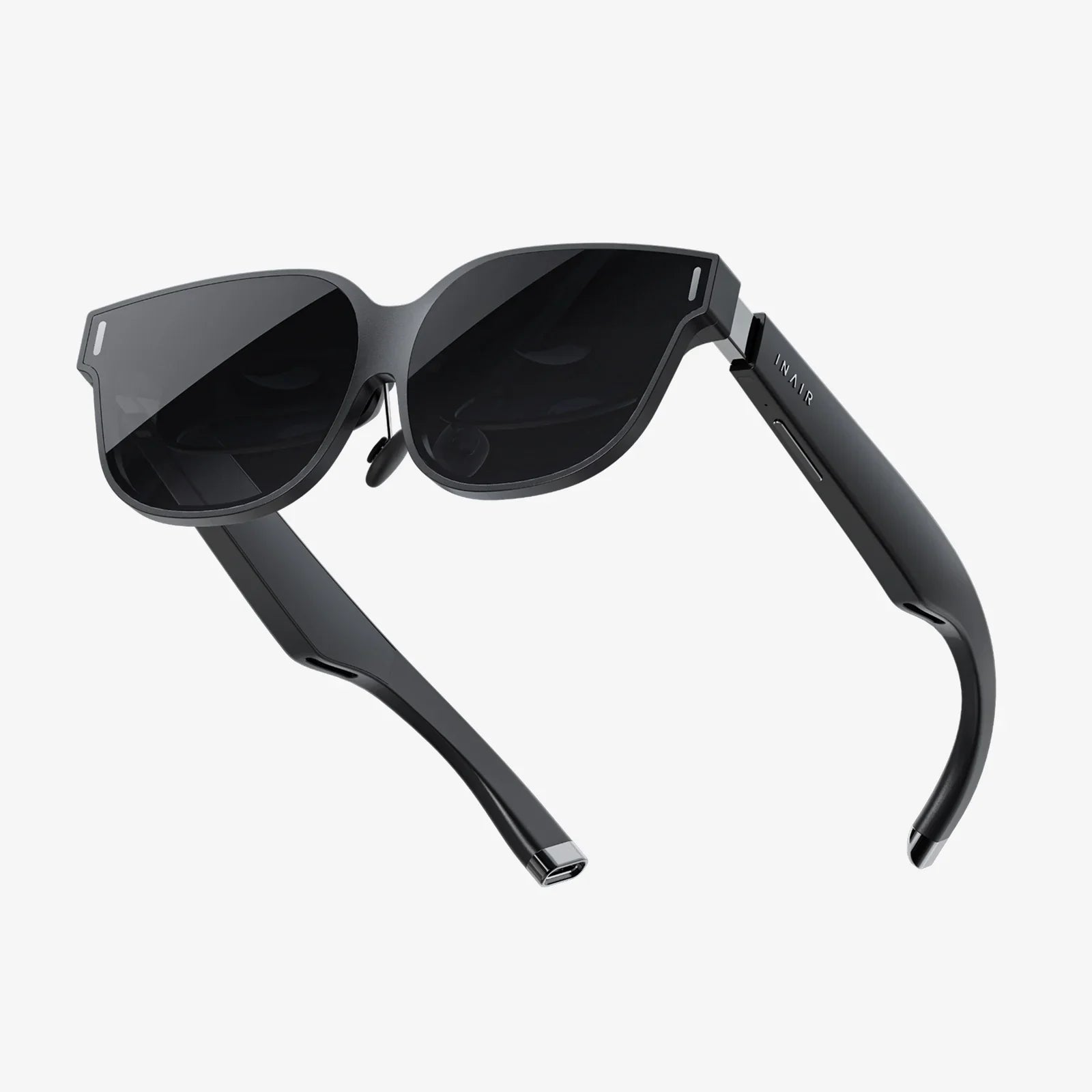
The dream of augmented reality (AR)—overlaying digital information onto our physical world—is being realized through increasingly interesting wearable form factors. While smart glasses are the most obvious candidate, the path to success is focusing on specific, high-value tasks rather than trying to be a general-purpose device for everyone.
In fields like logistics, manufacturing, and surgery, AR glasses can project schematics, instructions, or patient vitals directly into the user’s field of view, allowing them to work hands-free with enhanced precision and access to information. For consumers, the focus is on micro-interactions—glasses that can display a recipe in the kitchen, translate a street sign in a foreign language in real-time, or identify constellations in the night sky.
Parallel to this is the rise of intelligent hearables. Modern earbuds are evolving from simple audio playback devices into powerful auditory computers. They can now employ active noise cancellation to create zones of personal sonic tranquility, translate languages conversationally in near-real-time, and monitor heart rate and body temperature from the ear canal. They are becoming our always-on, discreet auditory interface with the digital world, filtering and enhancing the sound around us based on our preferences and needs.
The Invisible and the Ethical: Challenges on the Horizon
As this technology becomes more powerful, seamless, and integrated into our lives, it also raises significant questions that we must grapple with as a society. The very characteristic that makes these wearables so interesting—their invisibility and intimacy—also makes them ethically fraught.
Data Privacy and Security: A device that knows your stress level, your location, your heart rate, and your sleep patterns is collecting the most intimate data imaginable. Who owns this data? How is it stored and secured? Could it be used by insurers to adjust premiums or by employers to monitor productivity and well-being? The potential for misuse is staggering, necessitating robust, transparent, and user-centric data governance frameworks.
The Digital Divide: Will these advanced health and sensory augmentation tools become luxury items, creating a new class of "enhanced" individuals who have access to better health insights and cognitive tools? Ensuring equitable access to the benefits of this technology is a critical challenge.
Human Connection and Over-reliance: As we offload more cognitive and sensory functions to our wearables—letting them navigate for us, translate for us, and even monitor our health for us—what skills might we atrophy? And in a social setting, if everyone is subtly receiving notifications and data streams, does it pull us out of the present moment and hinder genuine, uninterrupted human interaction?
Navigating these challenges is as important as developing the technology itself. The goal should be to create wearables that augment humanity without replacing it, that empower without creating dependency, and that connect us to more information without disconnecting us from each other.
The Future is Wearable (And You Won't Even Notice)
The trajectory is clear: the most interesting wearable technology is moving from the wrist to the whole body, from visible to invisible, and from generic to hyper-personalized. The next decade will see a explosion of form factors: smart contact lenses that can measure glucose from tears, jewelry that doubles as a panic button and environmental sensor, and orthodontic retainers that track dental health and nutritional intake.
The ultimate goal is ambient computing—where technology recedes into the background of our lives, contextually aware and responding to our needs without explicit commands. Our environment, and indeed our very clothing and skin, will become the interface. This isn't about being constantly plugged into a screen; it's about technology being so elegantly and usefully integrated that it enhances our experience of the physical world rather than distracting from it.
The promise of this technology is a future where we are healthier, more connected to our own bodies, and more empowered to interact with the world around us in richer, more meaningful ways. It’s a future where our potential is unlocked not by staring at a device, but by wearing intelligence that works in harmony with us. The revolution won’t be televised; it will be woven, adhered, and worn, and it’s already beginning to transform everything from how we heal to how we feel.
From the clothes that sense your fatigue to the patches that whisper your body's secrets, the next wave of innovation isn't about a smarter watch—it's about a smarter you, seamlessly enhanced by technology that feels less like a tool and more like a part of who you are. The data to transform your health, navigate your world, and connect on a deeper level is literally at your fingertips, woven into your sleeve, or resting unseen on your skin, waiting for you to tap into its potential.
Share:
VR Goggles Shopping: Your Ultimate Guide to Immersive Technology
US Wearable Display Market: Shaping the Future of Personal Technology and Connectivity