


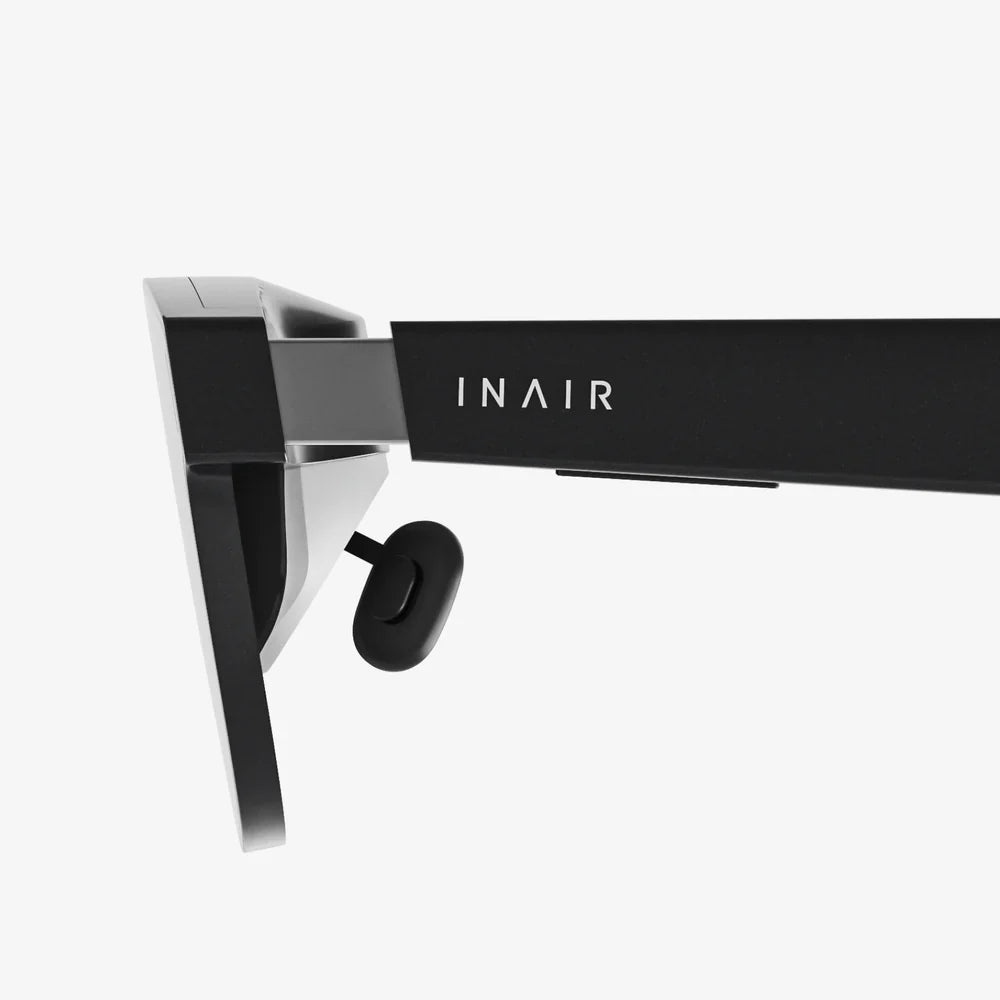
Imagine a world where information floats seamlessly before your eyes, where language barriers dissolve with a glance, and where the digital and physical realms are no longer separate but intimately intertwined. This is not a scene from a science fiction film; it is the burgeoning reality promised by AI glasses, a device poised to become the next pivotal platform in personal computing. This technology represents a fundamental shift from looking at a screen to looking through one, offering an intuitive and immersive interface that could redefine our relationship with technology itself.
The Architectural Marvel: How AI Glasses Perceive and Process
At their core, AI glasses are a symphony of miniaturized hardware and sophisticated software, all orchestrated to create a seamless user experience. Understanding their components is key to appreciating their capabilities.
The Hardware Foundation
The physical frame houses a suite of advanced sensors that act as the eyes and ears of the device. These typically include:
- High-Resolution Cameras: These are the primary visual input, capturing the world in front of the wearer. They are used for everything from recognizing objects and scanning QR codes to capturing photos and videos hands-free.
- Microphones and Speakers: An array of microphones allows for clear voice command capture, even in noisy environments, while bone conduction or miniature speakers provide private audio feedback without blocking ambient sound.
- Inertial Measurement Units (IMUs): These sensors, including accelerometers and gyroscopes, track the precise movement and orientation of the user's head. This is crucial for stabilizing augmented reality overlays and ensuring digital objects appear locked in place in the real world.
- Depth Sensors and LiDAR: Some advanced models incorporate technology to map the environment in three dimensions. This allows the glasses to understand the geometry of a room, measure distances, and place virtual objects convincingly behind real-world obstacles.
The Brain: On-Device and Cloud AI
The raw data from these sensors is meaningless without interpretation. This is where the artificial intelligence comes in. A combination of on-device processing chips and cloud-based AI models performs staggering computational feats in real-time.
- On-Device Processing: A dedicated processing unit within the glasses handles immediate, latency-sensitive tasks like initial image recognition, spatial tracking, and basic voice assistant interactions. This minimizes lag, which is critical for a comfortable AR experience, and helps preserve user privacy by not sending every piece of data to the cloud.
- Cloud AI Synergy: For more complex tasks—such as translating a full sentence from one language to another, identifying a rare flower species, or searching vast databases of information—the glasses connect wirelessly to powerful cloud servers. These servers run massive AI models and return the results almost instantaneously, projecting them onto the lenses for the user.
The Display: The Window to Augmented Reality
The most magical component is the display technology that projects information onto the user's retina. Unlike virtual reality headsets that create entirely digital environments, most AI glasses use optical see-through systems. Key technologies include:
- Waveguide Technology: Tiny projectors embedded in the arms of the glasses beam light onto transparent waveguides (often etched glass or plastic). These waveguides then reflect this light directly into the user's eye, superimposing crisp text, images, and animations onto their natural field of view. This allows digital content to coexist with the real world.
- Micro-LEDs: Extremely small, bright, and efficient LEDs are used as the light source for these projections, enabling vivid imagery while keeping power consumption low.
Beyond Novelty: Core Functionalities Reshaping Daily Life
The true power of AI glasses lies not in their individual components, but in how they integrate to create transformative functionalities. These are the features that move the technology from a gadget to a genuine tool.
Contextual Awareness and Real-Time Information
AI glasses act as a contextual sixth sense. By continuously analyzing the live camera feed, they can provide relevant information exactly when and where it's needed. Imagine:
- Looking at a monument in a foreign city and seeing its name and historical facts appear beside it.
- Glancing at the night sky to have constellations outlined and labeled.
- Walking through a supermarket and seeing recipe suggestions or allergy warnings overlay the products you look at.
- Having navigation arrows painted directly onto the street in front of you, guiding you turn-by-turn without ever needing to look down at a phone.
The Universal Translator
This is one of the most compelling and immediately useful applications. AI glasses can break down language barriers in real-time through two primary methods:
- Subtitled Reality: By using optical character recognition (OCR), the glasses can translate printed text—menus, signs, documents—instantly, replacing the foreign text with a translation in your native language directly in your view.
- Spoken Translation: During a conversation with someone speaking another language, the glasses can transcribe their speech, translate it, and display the subtitles. More advanced systems can even use voice synthesis to speak the translation aloud, facilitating a natural back-and-forth dialogue.
Enhanced Creativity and Productivity
For professionals and creatives, AI glasses offer a new paradigm for work:
- A technician could see a schematic overlaid on the machinery they are repairing, with step-by-step instructions.
- A surgeon could have vital patient statistics and imaging data visible during a procedure without turning away from the operating table.
- An artist could design in 3D space, manipulating virtual models with hand gestures.
- Meetings could be transformed with virtual whiteboards and 3D models that all participants can see and interact with.
Intelligent Photography and Videography
The always-available, first-person perspective camera enables a new form of capture. The AI can automatically frame shots, suggest the best moments to record, and even edit highlights reels based on contextual cues, all controlled by simple voice commands or a touchpad on the frame.
The Double-Edged Sword: Navigating the Ethical and Social Landscape
With such profound capabilities come significant challenges and societal questions that我们必须address before these devices become ubiquitous.
The Privacy Paradox
This is the single greatest concern. A device that records audio and video continuously, even if only processing snippets locally, presents an unprecedented privacy challenge.
- Consent and Notification: How do we ensure that people who are being recorded by someone's glasses are aware of it and have given consent? This requires clear social norms and potentially new laws.
- Data Security: The amount of personal and environmental data collected is staggering. Protecting this data from hackers and ensuring it is not misused by the companies that manufacture the glasses is paramount.
- The End of Anonymous Public Life? The potential for constant, automated facial recognition in public spaces raises dystopian fears of mass surveillance and a chilling effect on free assembly and expression.
Social Acceptance and Etiquette
Social norms will need to evolve. Is it rude to wear glasses that can record during a conversation? Will restaurants and bars ban them? Will we develop a visual cue, like a small light, to indicate when recording is active? These are non-technological hurdles that are just as important to overcome for widespread adoption.
The Digital Divide and Accessibility
Initially, this technology will be expensive, potentially exacerbating the digital divide between those who can afford this new layer of information and those who cannot. Conversely, AI glasses also hold immense promise for accessibility, offering new ways for people with visual or hearing impairments to navigate the world through audio descriptions, enhanced visual cues, and real-time captioning.
The Road Ahead: From Prototype to Paradigm Shift
The current generation of AI glasses is just the beginning. The trajectory points toward devices that are lighter, more powerful, more energy-efficient, and, crucially, more socially acceptable. We can anticipate several key developments:
- Improved Battery Life: Advances in battery technology and low-power components will be essential for all-day use.
- Seamless Form Factors: The goal is to make the technology indistinguishable from regular eyewear, moving from bulky frames to stylish, lightweight designs that people will want to wear regardless of the tech inside.
- Advanced Haptic Feedback: Integrating subtle haptic cues could provide a new layer of intuitive interaction, such as a gentle vibration to indicate a turn on your navigation path.
- Deeper Ecosystem Integration: For AI glasses to become truly indispensable, they must work flawlessly with our other devices—phones, laptops, smart homes—acting as the central, contextual hub for our digital lives.
The journey of AI glasses is just commencing, a path that will be paved as much by ethical considerations and cultural adaptation as by silicon and algorithms. They offer a glimpse of a future where technology enhances our human experience without isolating us from it, providing knowledge and capability right at the moment of need. The potential to augment human memory, perception, and connection is staggering, inviting us to reimagine not just what we can do, but how we see our world altogether. The next time you put on a pair of glasses, you might just be putting on a new way of being.
Share:
Augmented Reality Sustainability: A New Lens for a Greener Future
Upcoming AR VR Headset Feature Three: The Trifecta That Will Redefine Reality