


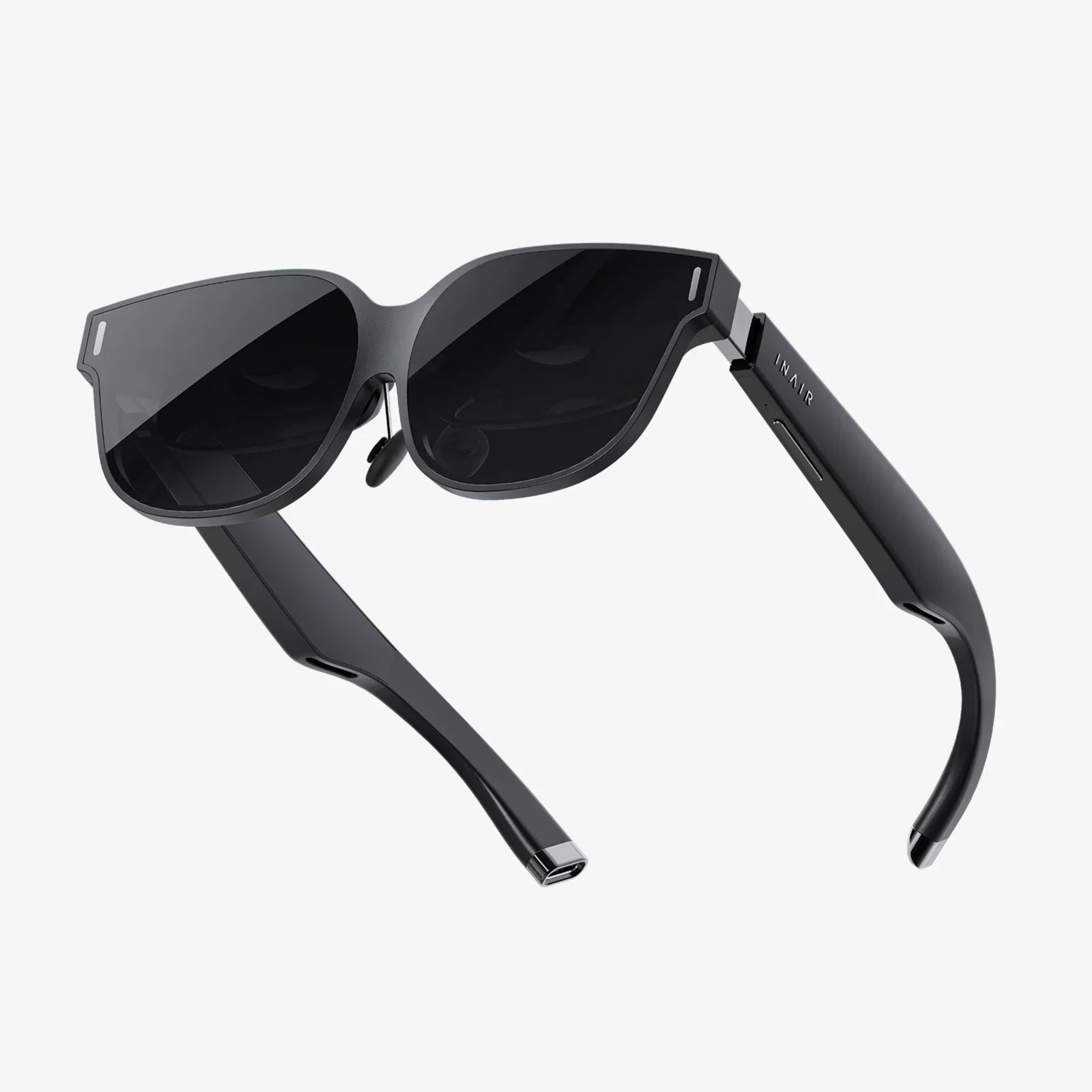
Imagine a world where your watch not only tells time but also saves it, where your glasses don’t just help you see but help you understand, and where your clothing is not just for warmth but for wellness. This is not a glimpse into a distant science fiction novel; it is the reality unfolding around us, driven by the silent, seamless revolution of wearable technology. From the first pedometer to the sophisticated health monitors of today, wearables have woven themselves into the very fabric of our daily existence, promising a future of hyper-connectivity, unprecedented self-knowledge, and a new paradigm of human-computer interaction. This journey into the world of wearables is an exploration of how we are choosing to augment our humanity, one device at a time.
The Historical Thread: From Abacus to AI on the Wrist
The concept of wearable technology is far older than most realize. While the term conjures images of sleek smartwatches and futuristic glasses, its origins are humble and deeply human. One could argue that the first wearable was the abacus ring, used in ancient China around the 17th century BC, allowing merchants to perform calculations on the go. In the 16th century, Peter Henlein’s invention of the first portable, wearable watch—the Nuremberg Egg—liberated timekeeping from static towers and into personal pockets. These were the primordial precursors, tools designed to extend human capability through portability.
The 20th century saw more recognizable prototypes emerge. In 1961, mathematicians Edward Thorp and Claude Shannon created a miniature computer small enough to be concealed in a shoe, designed to predict roulette wheels—a dubious but technically groundbreaking application. The 1970s brought the calculator watch, a cultural icon that fused timekeeping with computation. However, the true catalyst for the modern era was the convergence of several key technologies: the miniaturization of sensors, the proliferation of wireless connectivity, and the advent of powerful, low-energy microprocessors. This trifecta transformed wearables from novelties into necessities.
Deconstructing the Device: Core Technologies at Work
At its heart, a modern wearable device is a symphony of miniaturized engineering. Understanding its components demystifies its magic. The foundation is the microcontroller or processor, the brain of the device, which is specifically designed for ultra-low power consumption to ensure all-day or multi-day battery life. This brain is fed data by a suite of sensors, the true workhorses of wearables.
- Inertial Measurement Units (IMUs): These typically include accelerometers and gyroscopes that track movement, steps, orientation, and even sleep patterns by measuring acceleration and rotation.
- Optical Sensors: Using a technology called photoplethysmography (PPG), these green LED lights shine into the skin to detect blood volume changes, enabling heart rate monitoring and, increasingly, blood oxygen saturation (SpO2) readings.
- Global Positioning System (GPS): Provides precise location data for mapping runs, cycles, and hikes without requiring a connection to a smartphone.
- Bioimpedance Sensors: By sending a tiny, imperceptible electrical current through the body, these sensors can estimate body composition metrics like fat percentage and muscle mass.
- Microphones and Speakers: Enable voice assistant functionality and audio feedback.
- Electrocardiogram (ECG) Sensors: Now common in higher-end wearables, these measure the electrical activity of the heart to detect atrial fibrillation (AFib) and other irregularities.
This collected data is processed on-device for immediate feedback and then wirelessly transmitted via Bluetooth Low Energy (BLE) or Wi-Fi to a paired smartphone or cloud server. Here, sophisticated algorithms analyze trends, provide insights, and present the information to the user through an intuitive interface, often a small OLED or LCD touchscreen.
The Ecosystem of Wearables: More Than Just a Wristwatch
While wrist-worn devices dominate the market, the taxonomy of wearables is vast and varied, each category serving a distinct purpose.
Wrist-Worn Devices
This category encompasses smartwatches and fitness trackers. Fitness trackers are typically more focused on health metrics like step count, heart rate, and sleep, often with longer battery life and simpler displays. Smartwatches offer a broader functionality, serving as an extension of the smartphone with notifications, apps, calls, and music control, alongside advanced health tracking.
Hearables
This rapidly growing segment includes wireless earbuds and hearing aids. Modern hearables do far more than play audio; they actively cancel noise, translate languages in real-time, amplify specific sounds in the environment, and even integrate with voice assistants to provide a screen-free, auditory interface with the digital world.
Smart Apparel and Footwear
Technology is being woven directly into fabrics and materials. Smart shirts can monitor breathing and muscle activity for athletes. Smart shoes can track gait, count steps independently, and even warm up in cold weather. This category represents the ultimate goal of invisibility, where the technology disappears into everyday objects.
Smart Eyewear
Beyond early attempts at heads-up displays, smart glasses are finding powerful niches in enterprise and healthcare. Surgeons can view patient vitals and MRI scans in their field of vision during operations. Warehouse workers can see inventory data hands-free. Consumer-focused models are also evolving, focusing on audio experiences and discreet notifications.
Medical and Clinical-Grade Wearables
This is perhaps the most transformative category. Wearables are moving from general wellness into regulated medical devices. Continuous Glucose Monitors (CGMs) have revolutionized diabetes management by providing real-time blood sugar readings without finger pricks. Wearable ECG patches can provide weeks of continuous heart monitoring, far exceeding the capabilities of a traditional Holter monitor.
The Double-Edged Sword: Societal Impact and Ethical Quandaries
The ascent of wearable technology is not without significant challenges and profound questions about the society we are building.
The Quantified Self and the Pursuit of Wellness
Wearables have empowered the "Quantified Self" movement, where individuals use data to gain self-knowledge and optimize their health, productivity, and lives. This can be incredibly motivating, turning abstract goals into tangible, measurable metrics. People have been alerted to undiagnosed heart conditions, motivated to lose weight, and educated about their sleep hygiene. This data-driven approach to health is shifting the focus from reactive sickcare to proactive wellness.
The Data Dilemma: Privacy and Security
This constant data collection creates a staggering privacy challenge. Wearables generate a continuous, intimate stream of biometric data—a literal digital diary of your body. Where is this data stored? Who owns it? How is it used? Could it be sold to third parties, like insurance companies or employers? The potential for discrimination based on health data is a serious threat. Furthermore, these devices are endpoints that can be hacked, potentially exposing highly sensitive personal information.
The Anxiety of Optimization and Data Fatigue
For some, the constant feedback loop can become a source of anxiety. The pressure to "close your rings" or achieve a perfect sleep score can lead to unhealthy obsessive behaviors, a phenomenon sometimes called "orthosomnia"—the pursuit of perfect sleep. Data can be misinterpreted, leading to hypochondria or unnecessary stress. The human experience is messy and imperfect, and the relentless pursuit of optimization through data can sometimes be at odds with simply listening to one's own body.
The Digital Divide and Accessibility
High-end wearables are expensive, potentially exacerbating health disparities. Those who can afford them gain access to advanced early warning systems and health insights, while those who cannot may be left behind. Ensuring that the benefits of this technology are accessible to all, not just the affluent, is a critical societal challenge.
The Horizon: What Lies Ahead for Wearable Technology
The wearable revolution is still in its early chapters. The next decade will be defined by even greater integration, intelligence, and invisibility.
Advanced Biomarkers: Research is ongoing into non-invasive wearables that can continuously monitor blood pressure, blood alcohol content, cortisol (stress hormone) levels, and even detect early signs of viral infections like flu or COVID-19 through subtle changes in vitals.
Brain-Computer Interfaces (BCIs): Companies are developing non-invasive headsets that can interpret neural signals. The applications range from controlling devices with your thoughts to helping patients with paralysis communicate and rehabilitating neurological conditions.
True Invisibility: The future points toward technology that disappears entirely. This includes electronic skin (e-skin)—ultra-thin, flexible patches that adhere to the skin like a temporary tattoo, monitoring health metrics unobtrusively. Smart contact lenses that can measure glucose tears or provide augmented reality overlays are another frontier of invisible computing.
Predictive and Personalized Health: With the power of artificial intelligence and machine learning, wearables will evolve from tracking to predicting. By analyzing long-term trends, an AI could warn a user of an impending migraine, suggest a pre-emptive rest period to avoid burnout, or predict a potential cardiovascular event weeks before it happens, moving healthcare from a reactive to a truly predictive model.
Seamless Ambient Computing: Wearables will cease to be isolated devices and instead become our personal gateway to an ambient computing environment. Your smartwatch will communicate with your smart home, your car, and your office, creating a seamless, context-aware experience that anticipates your needs without requiring conscious command.
The journey of wearable technology is a journey of humanity itself, reflecting our eternal desire to extend our capabilities, understand ourselves better, and connect more deeply with the world around us. It is a tool of immense power, and its ultimate impact will be shaped not by the technology itself, but by the wisdom, ethics, and foresight we apply in wielding it. The device on your wrist is just the beginning; the future is wearing it well.
Share:
VR Goggles for TV: The Ultimate Guide to Your Personal Cinema Revolution
Wearable Testing: The Invisible Science Powering Your Health and Performance