


- by wangfred
iPhone 14 Pro VR Headset: The Unseen Potential of a Mobile Powerhouse
- by wangfred
Imagine slipping on a sleek, unassuming headset and being instantly transported from your living room to a photorealistic virtual canyon, a bustling digital art gallery, or the command deck of a starship. This isn't a fantasy tethered to a powerful desktop computer; it’s the burgeoning reality happening right in the palm of your hand, powered by a device millions already own. The fusion of the iPhone 14 Pro and a modern virtual reality headset represents one of the most exciting and accessible evolutions in personal technology, turning a ubiquitous communication tool into a portal to limitless worlds. This convergence is not just a parlor trick; it's a testament to the raw, untapped potential sitting in our pockets, waiting for the right lens to unlock its true power.
To understand why this particular smartphone is such a transformative force in mobile VR, one must look under the hood. It's not merely a powerful phone; it's a meticulously engineered platform that reads like a spec sheet for a dedicated VR device.
At the heart of the experience lies the A16 Bionic chip. This isn't just an incremental upgrade; it's a mobile processing behemoth designed to handle monstrous computational loads. For VR, this translates to buttery-smooth frame rates essential for maintaining immersion and preventing the motion sickness that plagued earlier attempts at mobile virtual reality. The chip's advanced GPU renders complex, detailed environments in real-time, while its neural engine powers sophisticated features like foveated rendering (dynamically allocating processing power to where the user is looking) and real-time spatial tracking, all without breaking a sweat.
Beyond pure processing grunt, the iPhone 14 Pro's display is arguably its most critical asset. The Super Retina XDR display with ProMotion, boasting a 120Hz adaptive refresh rate, is a game-changer. In VR, a high refresh rate is non-negotiable for comfort. It ensures motion appears fluid and lifelike, drastically reducing latency—the delay between your head moving and the image updating. This low latency is the invisible barrier between observing a virtual world and feeling physically present within it. Furthermore, the incredible brightness and pixel density ensure that virtual worlds are vibrant, sharp, and free of the distracting "screen door effect" that can shatter immersion.
Finally, we have the sensor array, a suite of tools that effectively gives the device eyes. The advanced accelerometer and gyroscope provide precise, high-speed head tracking. But the real stars are the LiDAR scanner and the powerful triple-camera system. The LiDAR scanner maps the physical environment in real-time, creating a depth map of the room. This allows for incredible mixed reality (MR) experiences where digital objects can occlude behind your real-world furniture, or virtual characters can climb onto your actual coffee table. The high-resolution cameras can also be used for video passthrough, enabling users to see their surroundings in black and white, overlaying digital content onto the real world with stunning accuracy.
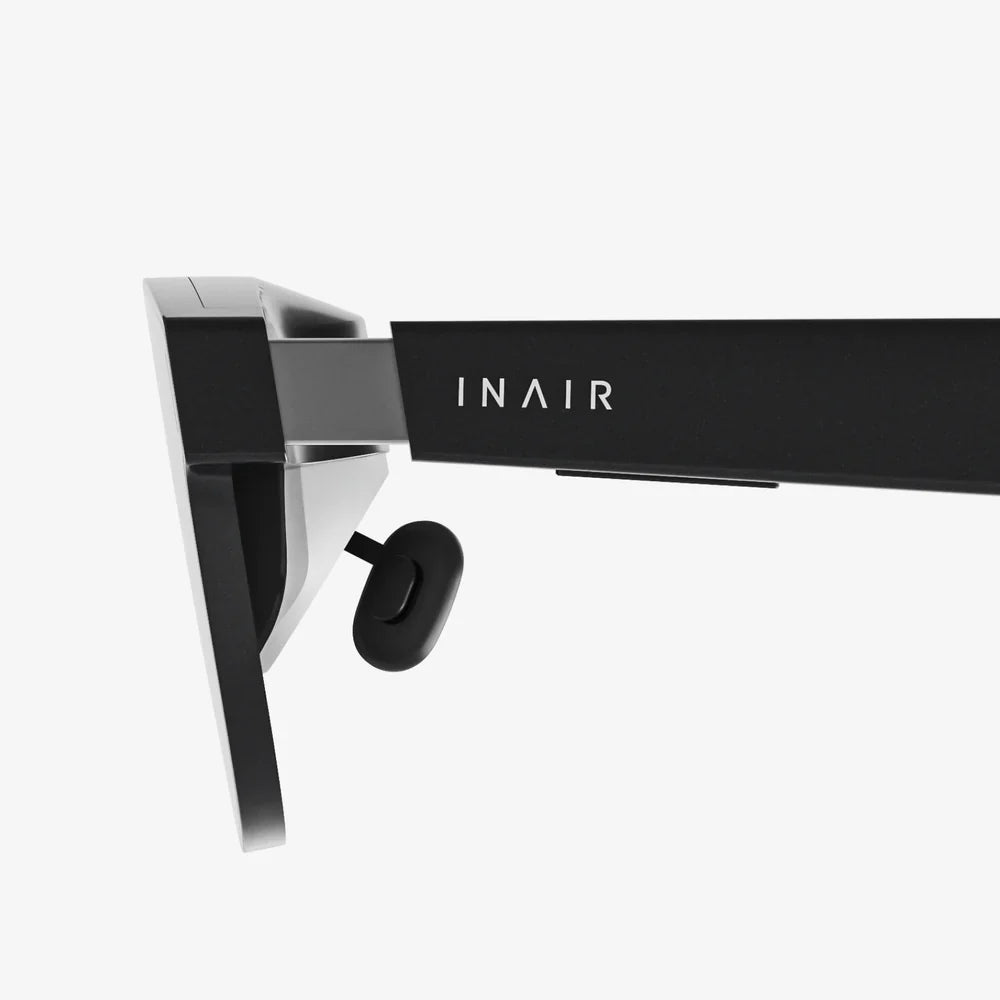
The smartphone is the brain, but the headset is the body. The latest generation of headsets designed for smartphones has evolved far beyond the primitive cardboard holders of the past. Today's designs are sophisticated pieces of hardware that complement the phone's capabilities.
Modern headsets provide high-quality, calibrated lenses that are the final gateway to the virtual world. These lenses are crucial for focusing the phone's display correctly for each eye, providing a wide field of view, and minimizing optical distortions. Ergonomic design, balanced weight distribution, and comfortable padding are no longer luxuries but necessities, allowing for extended play and exploration sessions without discomfort.
Many also integrate their own hardware enhancements. This can include additional sensors for more robust positional tracking, built-in spatial audio speakers for immersive 3D sound that doesn't require headphones, and, most importantly, dedicated controllers. These controllers are tracked by the phone's cameras and sensors, providing intuitive and precise input for manipulating virtual objects, navigating menus, and interacting with environments. This moves the experience from passive viewing to active participation.
The theoretical specs are impressive, but the practical applications are where the magic truly happens. The combination unlocks a diverse and growing ecosystem of experiences.
Despite the incredible progress, this platform is not without its limitations. The primary constraint is battery life. Driving the display, processors, and sensors at full tilt is immensely power-intensive, limiting session times. Thermal management is also a factor; sustained peak performance generates heat, which can eventually lead to throttling. Furthermore, while the field of view and resolution are excellent for mobile VR, they still lag behind the absolute fidelity offered by high-end, tethered PC setups.
The future, however, is blindingly bright. We are moving towards headsets with even more seamless integration, potentially leveraging the phone's processing power while providing dedicated displays for even higher visual fidelity. Advancements in wireless technology like Wi-Fi 6E will reduce latency for cloud-streamed VR experiences. Most excitingly, the line between the physical and digital will continue to blur. The powerful MR capabilities hint at a future where digital information and objects are seamlessly woven into our daily perception of reality, all powered by the computer we carry everywhere.
The true genius of the iPhone 14 Pro VR headset combination lies in its democratizing power. It has taken an experience once confined to enthusiasts with deep pockets and dedicated space and made it available to anyone. It proves that the next great computing platform might not be a separate, expensive device, but a transformative accessory that unlocks the supercomputer already in our possession. This isn't just about playing games; it's about redefining how we connect, create, learn, and see the world around us. The portal is already in your pocket; you just need to look through it.