


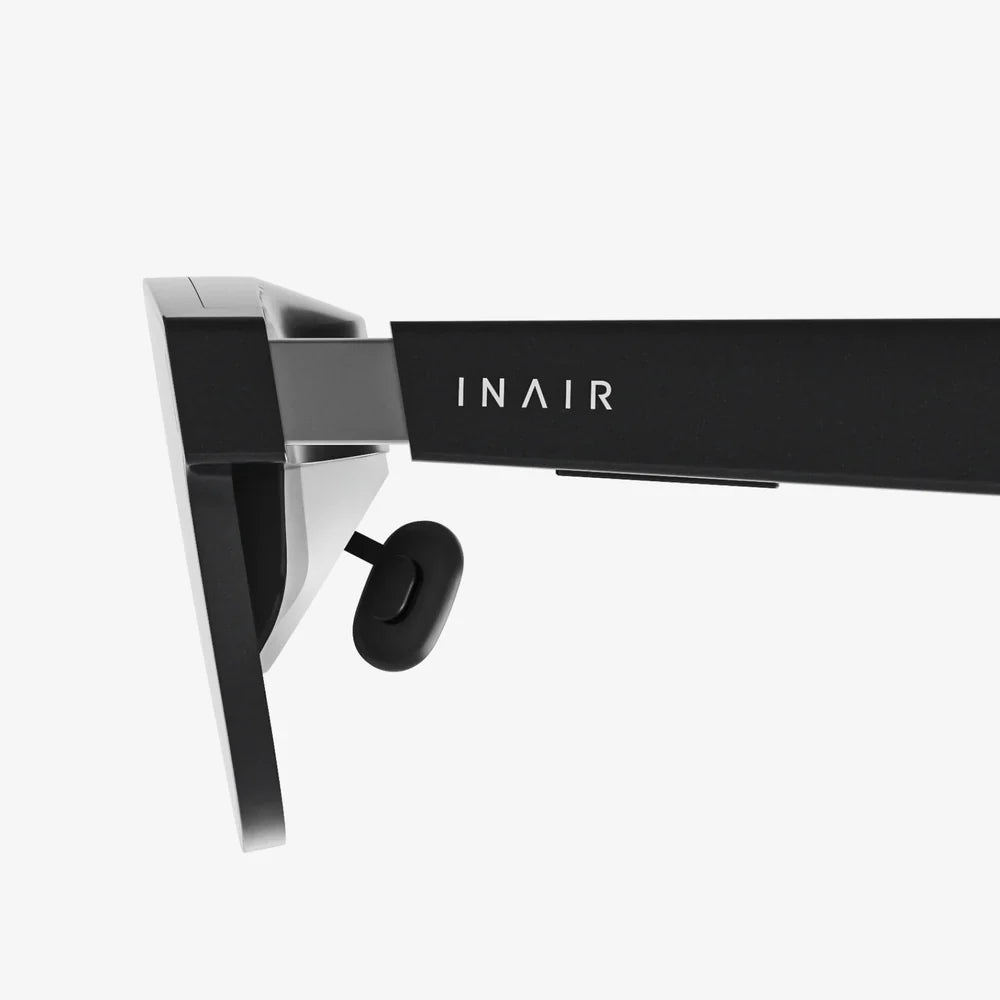
Imagine a device that slips into your pocket but unfolds into infinite universes, a portal you carry with you that can transform your living room into a concert hall, a surgical theater, or a distant galaxy. This is the promise whispered on the tech horizon, the potential seismic shift not from a standalone gadget, but from the fusion of two: the untapped power of the next-generation smartphone and the immersive gateway of a dedicated virtual reality headset. The very concept redefines what our most personal computers can achieve, moving beyond the glass slab to envelop us in experiences we once only dreamed of.
The Convergence of Power and Portability
For years, the dream of high-fidelity, untethered virtual reality has been hampered by a fundamental dilemma: power versus portability. Dedicated, standalone headsets often make compromises on processing grunt or battery life to remain wearable, while powerful systems typically require a physical connection to a stationary computer, anchoring the user to a single spot. The solution, elegantly simple in theory, has been percolating for generations: leverage the sophisticated computer we already own and carry everywhere.
The upcoming smartphone iteration represents more than just an incremental update; it is the potential catalyst for this paradigm. Industry trends point to a relentless march toward more capable processors, often referred to as systems-on-a-chip (SoCs), which are becoming exponentially more powerful and energy-efficient with each cycle. These are not merely smartphone processors; they are computational powerhouses rivaling many traditional laptops, engineered with a fanless, thermal-efficient design that is perfect for a head-worn device.
Furthermore, the advanced sensor arrays in modern flagships are a treasure trove for immersive tech. High-resolution cameras, LiDAR scanners for precise depth mapping, ultra-wideband chips for spatial awareness, and incredibly precise inertial measurement units (IMUs) for tracking head movement—all these components are already embedded in the device. A sophisticated headset would act not as a replacement, but as a conduit, harnessing this suite of sensors to understand the world and the user's place within it with stunning accuracy.
Beyond the Screen: A New Human Sensorium
The magic of this partnership lies in the headset's ability to augment the phone's capabilities. While the phone provides the brain, the headset provides the eyes and ears—and potentially, new senses altogether.
Visual fidelity is the most immediate win. We can anticipate headsets featuring micro-OLED displays with incredibly high pixel-per-degree density, effectively eliminating the "screen door effect" where users can discern the gaps between pixels. Combined with the phone's processing might, this allows for photorealistic environments and characters. Key to this will be advancements in foveated rendering, a technique that uses eye-tracking within the headset to render only the area the user is directly looking at in full detail, while subtly reducing the detail in their peripheral vision. This dramatically reduces the computational load, allowing for breathtaking graphics without overheating the device.
Audio is equally critical for presence—the feeling of actually being in a virtual space. Advanced spatial audio algorithms, processed by the phone's dedicated audio chip, will create a 360-degree soundscape where noises come from specific points in the virtual world. The gentle rustle of leaves will sound distinctly behind you, and a character's whisper will feel as if it's right by your ear.
The next frontier is haptic feedback. While early VR focused on sight and sound, the sense of touch is what truly grounds us in reality. Future headsets may include improved haptic engines in the controllers to simulate the recoil of a weapon, the tension of a bowstring, or the texture of a virtual object. More experimental, but profoundly impactful, would be the integration of haptics into the headset itself—a gentle vibration on the temple to simulate a virtual breeze or the impact of a raindrop.
The Seamless Ecosystem: Software as the Soul
Hardware is nothing without software. The true revolution will be born from a deeply integrated operating system that seamlessly bridges the phone and the headset. Imagine a world where your messages, notifications, and calls are intelligently integrated into your VR experience, not as jarring pop-ups, but as subtle, contextual elements. A call could manifest as a glowing, pulsating orb you can choose to accept, transforming the caller into a virtual avatar sitting across from you.
This ecosystem will likely be built upon and dramatically expanded from existing mobile augmented reality (AR) frameworks. These frameworks allow developers to anchor digital content to the real world. The combination of a phone's sophisticated cameras and a headset's persistent display will enable persistent AR experiences—a virtual sculpture that forever sits on your desk, only visible through the headset, or navigation arrows painted onto the sidewalk in front of you as you walk through a new city.
App development will undergo a renaissance. The existing, massive ecosystem of mobile developers will be empowered to create for this new platform, leading to an explosion of content. This won't be limited to games. We will see revolutionary applications in:
- Remote Work and Collaboration: Virtual offices where colleagues from across the globe can interact with 3D models, brainstorm on virtual whiteboards, and share presence as if they were in the same room, all from their living rooms.
- Education and Training: Medical students performing virtual dissections, mechanics learning to repair engines by overlaying instructions directly onto physical machinery, history students walking through ancient Rome.
- Fitness and Health: Immersive workout classes in breathtaking virtual environments, mindfulness apps that transport you to serene landscapes for meditation, and physiotherapy routines guided by precise motion tracking.
- Social Connection: Moving beyond flat video calls to sharing virtual spaces where you can watch movies together on a giant screen, attend live concerts with friends, or simply hang out in a digital recreation of a favorite pub.
Navigating the Invisible Wall: Challenges and Considerations
This future is not without its hurdles. The path to mainstream adoption is littered with technical and social challenges that must be thoughtfully addressed.
Battery Life and Thermal Management: Driving two high-resolution displays and processing complex environments is intensely demanding. The next smartphone will need not only a more efficient chip but also a sophisticated cooling system, potentially involving new materials or passive cooling designs that work in concert with the headset's own architecture. The headset itself could even incorporate an additional battery pack to extend session times.
The Form Factor: VR headsets have been getting smaller, but the goal is a pair of glasses that are socially acceptable and comfortable for all-day wear. This requires breakthroughs in optics, like pancake lenses, and miniaturization of components. The ideal solution is a sleek headset that leverages the phone's processing, avoiding the need for bulky onboard computers.
The Social and Psychological Dimension: As we spend more time in virtual spaces, questions of privacy, data security, and digital etiquette become paramount. How do we prevent virtual harassment? How is our biometric data from eye-tracking and expression monitoring used and protected? Furthermore, we must be mindful of the "digital divide"—ensuring this technology empowers rather than further segregates society.
Accessibility: The experience must be designed for everyone. This means supporting a wide range of interpupillary distances, offering software solutions for those with visual impairments, and creating intuitive control schemes for those with limited mobility.
A Glimpse into the Daily Life of Tomorrow
To understand the impact, let's envision a day in the near future. Your alarm goes off, and you slip on your lightweight headset. Your morning news briefing is presented not on a screen, but as a series of interactive holograms in your kitchen. You glance at a recipe, and the instructions overlay directly onto your mixing bowls. Later, you join a project meeting in a virtual boardroom; your colleagues' avatars show subtle non-verbal cues, and you collectively manipulate a 3D architectural model with your hands. After work, you meet friends from different continents inside a virtual jazz club, feeling as though you're sitting at the same table. Finally, you end the day with a short meditation app that transports you to a silent, star-filled mountain peak. Throughout it all, your phone in your pocket is the silent, powerful engine making it all possible.
This is not a distant science fiction fantasy. The components are all here, evolving at a breakneck pace. The upcoming smartphone is poised to be the most powerful and sensor-rich yet, and the companion headset designed for it represents the missing piece—the lens through which this power is made immersive and intimate. We are standing on the precipice of a new way to compute, connect, and experience our world. The revolution won't be confined to a screen; it will be all around us.
The next time you hold your smartphone, consider that you're not just holding a communication device or a camera, but a key. It's a key that will soon unlock doors to worlds limited only by our imagination, transforming the very fabric of reality from a passive experience into a canvas we can shape, share, and inhabit together. The future is in your pocket, waiting to be seen.
Share:
What Is The Average Cost Of A VR Headset - A Complete Buyer's Guide
Girl Wearing VR Headset: A Portal to New Realities and Unseen Challenges