


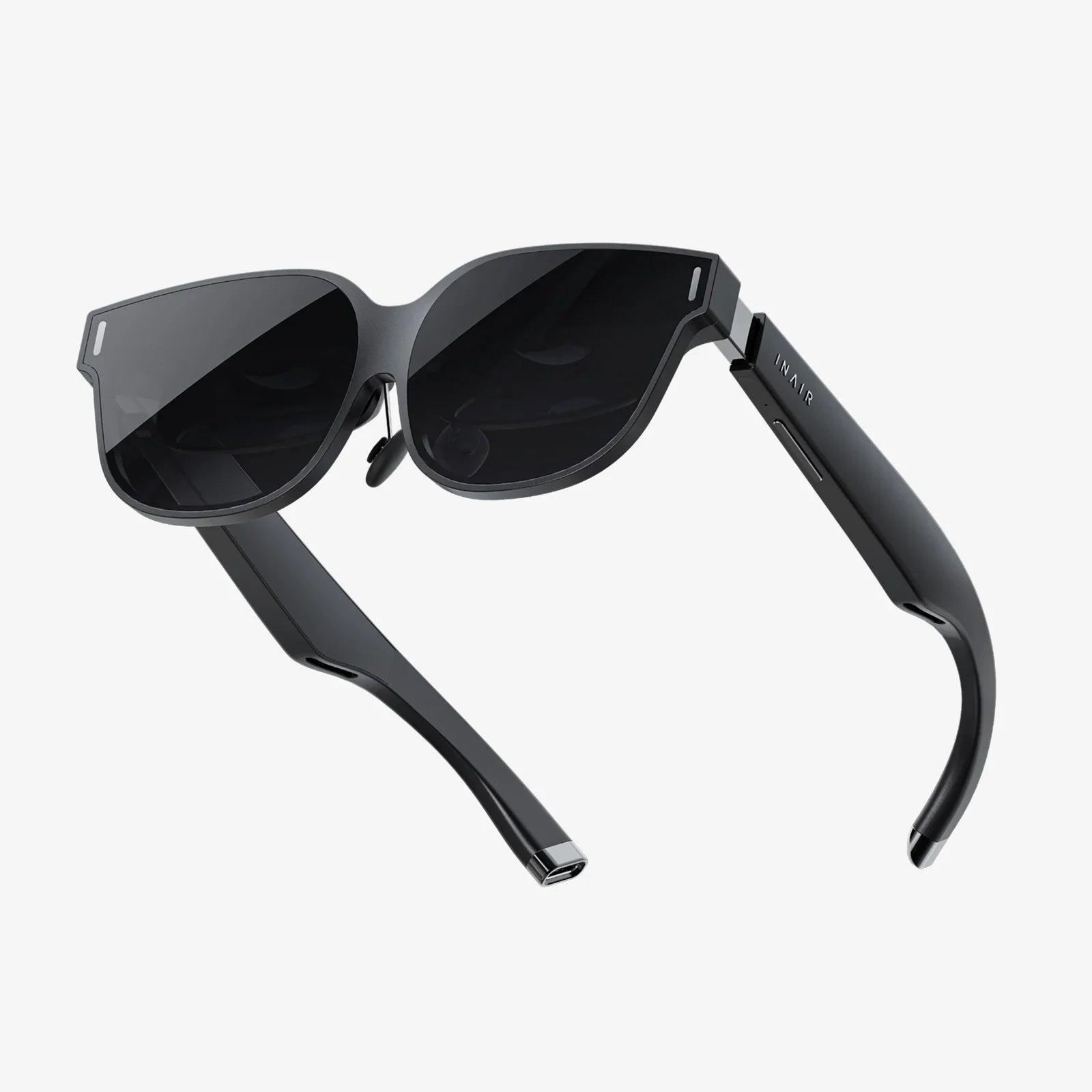
Imagine a world where your digital life seamlessly overlays your physical reality, where information appears before your eyes without the need to look down at a screen. This is the promise of smart glasses, a category of wearable technology that has captured the imagination of consumers and tech giants alike. For many, the ultimate realization of this vision is often colloquially referred to as 'iPhone glasses'—a hypothetical pair of smart eyewear designed to integrate perfectly within a popular ecosystem. The burning question on everyone's mind isn't just about their potential features, but their cost. The iPhone glasses price is a topic of intense speculation, and understanding the factors that will determine it is key to preparing for this next technological leap.
Deconstructing the Cost: What Goes Into the Price of Smart Eyewear?
The final price tag of any advanced consumer electronics product is never arbitrary. It is the sum of its parts, the research that created it, and the ecosystem that supports it. Smart glasses are particularly complex, requiring a delicate balance of cutting-edge technology, miniature components, and fashionable design. To understand the potential iPhone glasses price, we must first break down the core cost drivers.
The Optical Engine: Displays and Waveguides
At the heart of any smart glasses is the method by which digital images are projected into the user's field of view. This is arguably the most significant contributor to the overall cost. Two primary technologies dominate this space:
- Micro-OLED Displays: These are incredibly small, high-resolution screens that are positioned near the temples and project images onto the lenses. They offer vibrant colors and high contrast but can be expensive to manufacture at a small scale.
- Waveguide Technology: This method uses a transparent piece of glass or plastic (the waveguide) to pipe light from a micro-display on the temple into the eye. This allows for a much sleeker design, as the bulky components are offloaded to the arms of the glasses. The manufacturing process for waveguides, especially those that support full color and a wide field of view, is extremely complex and costly. The precision required for etching or coating these tiny components drives the price up significantly. The choice between these technologies, and the specific implementation, will have a monumental impact on the iPhone glasses price.
The Silicon Brain: Processing Power and Sensors
Smart glasses are essentially wearable computers. They require a System-in-Package (SiP) or similar compact processing unit to run the operating system, handle spatial tracking, and manage data. This includes:
- A capable CPU and GPU for rendering graphics and running applications.
- Ample RAM and storage space.
- A dedicated neural engine for on-device machine learning tasks like object detection and voice recognition.
- A suite of sensors, including inertial measurement units (IMUs) for tracking head movement, LiDAR scanners for mapping the environment, eye-tracking cameras for intuitive control, and always-on microphones for Siri integration.
Packing this level of computational power into a form factor that fits comfortably on your face is a monumental engineering challenge with a corresponding R&D cost that will be reflected in the retail price.
Design, Materials, and Prescription Integration
Unlike a phone that lives in your pocket, glasses are a fashion item worn on your face. This imposes a strict requirement for them to be lightweight, comfortable, and aesthetically pleasing. The materials used—whether lightweight titanium, durable composites, or premium acetates—will influence cost. Furthermore, for a product like this to achieve mass appeal, it must accommodate the vast number of people who need vision correction. Building the technology into frames that can also house prescription lenses adds another layer of complexity and cost. This could involve partnerships with lens manufacturers and a sophisticated supply chain for custom orders, potentially creating a base model price and a higher premium for prescription-ready versions.
Market Comparisons: Establishing a Price Baseline
While no direct competitor exists in the exact same ecosystem, looking at the current market for augmented reality (AR) and smart glasses provides crucial context for estimating a potential iPhone glasses price.
The High-End AR Professional Market
Devices designed for enterprise and industrial use represent the current peak of AR technology. They are packed with powerful sensors, high-field-of-view displays, and ruggedized designs. Their prices typically range from several thousand dollars to well over ten thousand dollars. While consumer glasses won't carry this extreme price tag, they illustrate the high cost of advanced AR components.
The Consumer Smart Glasses Landscape
Existing consumer-focused smart glasses offer a more relevant comparison. Current products primarily focus on features like audio, basic notifications, and simple LED displays, often falling into a price bracket between two hundred and five hundred dollars. More advanced models, which feature a color display for basic AR applications, can cost between eight hundred and fifteen hundred dollars. These prices are for devices that are arguably first-generation products with limited functionality compared to what a fully-fledged device is expected to offer.
The Ecosystem Strategy: Hardware as a Gateway
It is critical to consider the business model. A company with a robust ecosystem of services and software may choose to subsidize the initial hardware cost. The goal is to get the glasses on people's faces to drive software sales, app purchases, and service subscriptions. This strategy could lead to a more aggressive, accessible price point, perhaps starting lower than analysts expect, with the understanding that long-term revenue will be generated through the platform, not just the initial sale.
Future-Proofing Your Budget: Price Tiers and Models
It is highly unlikely that there will be a single, one-size-fits-all model. A more probable scenario involves a tiered product lineup, much like other product categories.
- The Entry-Level Model: This could be a pair focused primarily on audio, notifications, and Siri integration, with a minimal or monochrome heads-up display. Its primary purpose would be to serve as an audio-first wearable that also happens to be glasses. The iPhone glasses price for this model could be competitive with high-end headphones.
- The Flagship Model: This would be the true AR glasses, featuring full-color waveguides, a wide field of view, advanced spatial sensors, and the most powerful processor. This model would be designed for developers and early adopters and would carry a premium price, likely positioning it as a high-end luxury tech item.
- The Prescription Premium: As mentioned, adding prescription lenses will undoubtedly add to the cost. Consumers should budget for an additional charge on top of the base model price for this customization, similar to how one pays extra for lens upgrades when buying regular glasses.
Beyond the Initial Purchase: The Hidden Costs of Ownership
The sticker price is only the beginning. Truly understanding the total cost of ownership is essential for any prospective buyer.
- Insurance and Protection Plans: A device this sophisticated and worn daily will be susceptible to damage, loss, and theft. A comprehensive protection plan will be a highly recommended, and costly, addition.
- Replacement Parts: Components like nose pads, temple tips, and even rechargeable batteries in the arms will have a finite lifespan and may need replacement after a few years.
- Software and Subscriptions: While the core OS will likely be free, premium applications, games, and cloud services tailored for the glasses platform could involve recurring subscription fees.
- Potential Lens Updates: If your prescription changes, you may need to pay for a new set of customized lenses to be fitted into the frame, which could be a significant recurring expense every year or two.
The Investment in Tomorrow's Vision
The journey to mainstream augmented reality eyewear is as much an economic challenge as it is a technical one. The iPhone glasses price will be a carefully calculated figure, balancing immense R&D and component costs against the strategic need to seed a new platform. It will not be a trivial purchase; it will represent an investment in a first-generation product that lays the groundwork for the future. For early adopters, the cost will be justified by the thrill of experiencing the next computing paradigm firsthand. For the rest of us, understanding these cost factors allows us to watch the market, set realistic expectations, and prepare for the day when this transformative technology becomes an accessible part of our daily lives. The true value may not be in the hardware itself, but in the new ways we will see, interact with, and understand the world around us.
Ultimately, the conversation around cost is a precursor to a much larger discussion about value. Will the ability to have directions hover on the street in front of you, translate signs in real-time, or have a video call while keeping your hands free be worth a significant investment? For millions of users already deeply embedded within a specific tech ecosystem, the answer is likely a resounding yes, turning a speculative price into a ticket to the next dimension of personal computing.
Share:
What Is The Most Recent VR Headset? The Cutting-Edge of Immersive Technology
VR Headset Black Friday Deals: Your Ultimate Guide to the Virtual Savings Event of the Year