


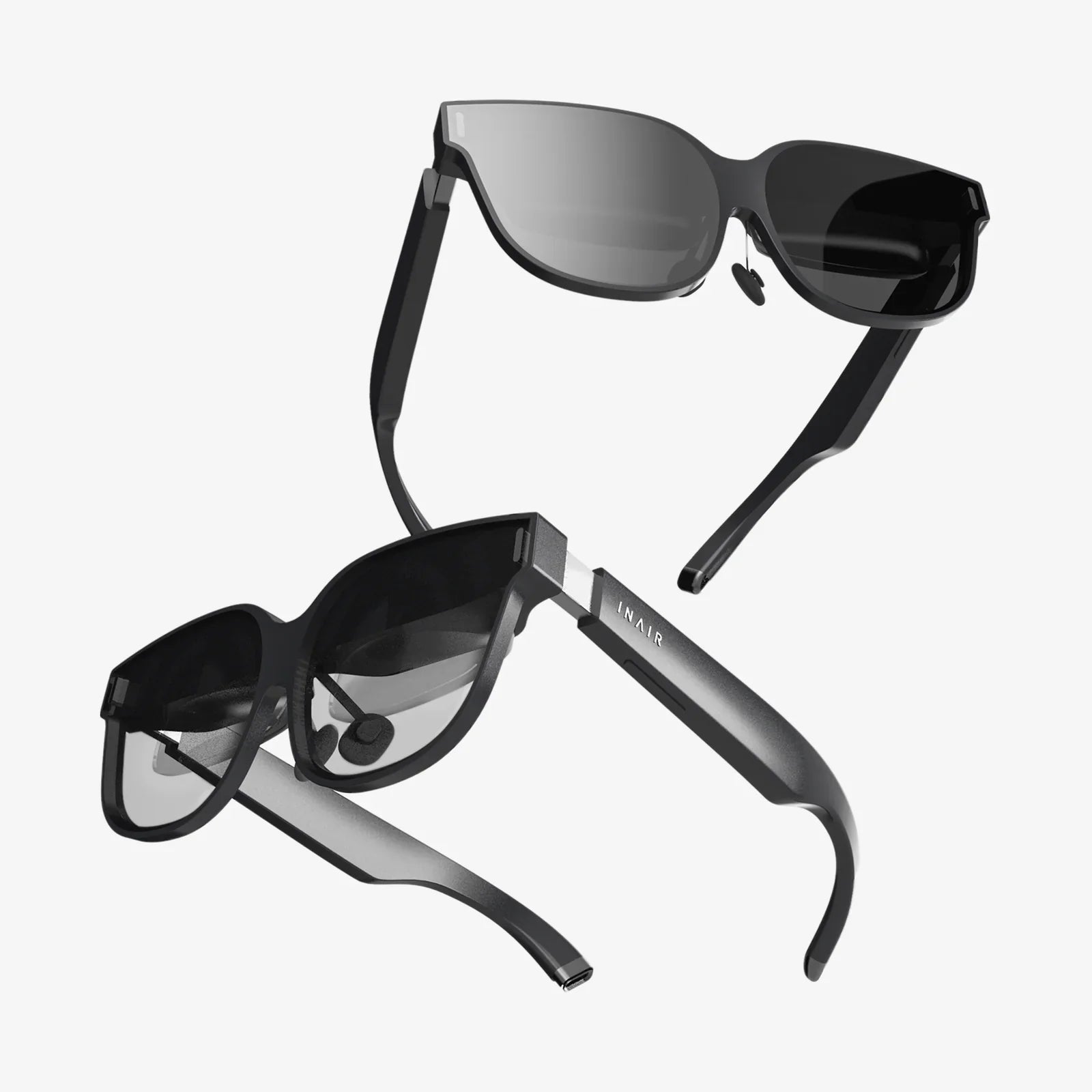
iphone mr is quietly turning the device in your pocket into a powerful mixed reality gateway, and most people are only just starting to notice. What was once the realm of bulky headsets and experimental labs is now emerging through familiar screens, cameras, and sensors. If you have ever used your phone to visualize furniture in your living room, overlay navigation arrows on the street, or play a game that interacts with your real surroundings, you have already taken the first steps into this world. The next wave of mobile experiences will push this far beyond novelty, and understanding how iphone mr works today will help you see where your digital life is heading tomorrow.
Mixed reality on phones blends digital content with the physical world, using advanced hardware and software to track space, recognize surfaces, and render 3D objects that appear anchored to reality. For iphone mr, the story is not just about entertainment; it is about how everyday tasks, learning, shopping, collaboration, and creativity can be reshaped when the boundary between screen and surroundings begins to blur. This article explores the foundations, use cases, design principles, and future potential of iphone mr, giving you a clear, practical view of what is possible and what is coming next.
What iphone mr Really Means
To understand iphone mr, it helps to clarify what mixed reality is and how it differs from other immersive technologies. Mixed reality, often abbreviated as MR, refers to experiences where digital objects are not just overlaid on the real world but interact with it in a believable way. These objects can appear to sit on tables, hide behind real furniture, respond to lighting, or react when you move around them.
While virtual reality places you entirely inside a digital environment and augmented reality simply overlays information on top of the real world, mixed reality aims for a deeper integration. With iphone mr, the device uses its camera, motion sensors, and advanced processing to understand the space you are in. It can detect planes like floors and walls, estimate depth, and track your movement. This spatial awareness allows apps to place virtual objects in your environment that remain stable as you move, creating the illusion that they truly exist in your space.
On a practical level, iphone mr is powered by several components working together:
- Cameras and depth sensing: Capture the environment, identify surfaces, and estimate distance.
- Motion sensors: Track device orientation and movement with high accuracy.
- Graphics processing: Render detailed 3D models, lighting, and shadows in real time.
- Computer vision algorithms: Recognize patterns, surfaces, and sometimes even objects in your surroundings.
- 3D engines and frameworks: Provide tools for developers to build immersive scenes and interactions.
When all of these elements are combined, iphone mr becomes more than a buzzword. It becomes a practical framework for building applications that turn your environment into an interactive canvas.
Why iphone mr Matters Now
iphone mr is becoming important for several converging reasons. First, the hardware in modern phones has reached a level where real time 3D rendering and spatial understanding are possible without dedicated headsets. Second, people are increasingly comfortable using their phones as multi purpose tools, from banking to fitness to education. Third, the broader ecosystem of 3D content, cloud services, and developer tools has matured enough to support complex experiences.
These trends mean that mixed reality is no longer limited to niche gaming or industrial training. Everyday users can access MR experiences simply by opening an app or a web page. For businesses, educators, and creators, iphone mr offers a way to reach people where they already are, without asking them to invest in specialized devices.
There is also a cultural shift at play. Younger generations are growing up with filters, lenses, and interactive effects that blur the line between digital and physical. For them, overlaying digital elements on the world is natural. iphone mr builds on this familiarity and extends it into more functional, meaningful domains, from shopping and navigation to remote collaboration and creative expression.
Core Use Cases Of iphone mr Today
iphone mr is already shaping real world applications across multiple domains. Some of the most impactful use cases include:
Immersive Shopping And Product Visualization
One of the most common iphone mr experiences involves visualizing products in your own space before buying them. Instead of guessing whether a piece of furniture will fit or how a decoration will look, you can place a 3D model in your room through your phone. The app detects the floor and surrounding walls, then anchors the virtual object so you can walk around it, change colors or configurations, and see how it interacts with light.
This type of MR experience reduces uncertainty, increases confidence in purchasing decisions, and can even reduce returns. It also enables more personalized shopping, as users can experiment with different combinations of items without leaving home.
Education And Interactive Learning
iphone mr is also transforming how people learn. Instead of reading about complex concepts in static textbooks, students can interact with 3D models that appear on their desks or in their rooms. Anatomy lessons can involve exploring a detailed virtual body, engineering courses can show how mechanical systems move, and astronomy lessons can bring planets and galaxies into the living room.
These experiences make abstract or complex topics more tangible. Learners can walk around models, zoom in on details, or trigger animations that explain processes. Mixed reality can also support hands on training scenarios, such as simulating equipment operation or safety procedures in a controlled, virtual overlay on the real world.
Gaming And Interactive Entertainment
Games were among the earliest adopters of mixed reality on phones, and iphone mr continues to push this boundary. MR games use the camera feed as the backdrop, placing characters, obstacles, or puzzles in the player’s environment. This creates a sense of presence and immersion that is different from traditional mobile games.
Some games encourage physical movement, asking players to walk around their rooms or outdoor spaces to interact with characters or collect items. Others turn your home into a game board, with virtual objects hiding behind furniture or appearing to crash through walls. iphone mr enables developers to blend narrative, environment, and interaction in ways that feel fresh and engaging.
Navigation And Wayfinding
Navigation is another area where iphone mr is making a difference. Instead of relying solely on a top down map, MR navigation overlays arrows, labels, and markers directly on the real world as seen through the camera. This can be especially helpful in complex urban environments, large campuses, or indoor spaces like malls and airports.
By aligning digital directions with physical surroundings, iphone mr reduces confusion and helps users orient themselves more quickly. It can also highlight points of interest, display contextual information about landmarks, or adjust guidance based on the user’s movement in real time.
Remote Collaboration And Visualization
As remote work and distributed teams become more common, iphone mr offers new ways to collaborate. Instead of sharing static screenshots or video calls, teams can place virtual models in their spaces and discuss them together. For example, a designer can share a 3D prototype that others can view in their own environment, walking around it and suggesting changes.
Mixed reality can also support remote assistance. A technician in the field can show their view through the phone camera, while an expert overlays virtual annotations or instructions on top of the live feed. iphone mr thus bridges the gap between physical tasks and digital guidance, improving efficiency and reducing errors.
How iphone mr Works Under The Hood
Although iphone mr can feel magical, it relies on a set of well defined technical components. Understanding these at a high level can help you appreciate both the possibilities and the limitations of current devices.
Spatial Mapping And Plane Detection
The foundation of mixed reality is spatial understanding. The phone uses its camera to capture images of the environment and applies computer vision algorithms to detect edges, textures, and patterns. By analyzing how these features move across successive frames, the system can estimate the position and orientation of the device in space.
Plane detection focuses on identifying flat surfaces such as floors, tables, and walls. Once these surfaces are recognized, iphone mr can anchor virtual objects to them. This anchoring is what makes objects appear stable and realistic as you move around. The device continuously updates its understanding of the environment, refining plane boundaries and depth estimates.
Depth Sensing And Occlusion
Depth sensing allows the device to estimate how far away different parts of the scene are. Some phones use dedicated sensors to capture depth information, while others infer it from camera data using advanced algorithms. With depth information, iphone mr can simulate occlusion, where real objects block parts of virtual objects and vice versa.
Occlusion is critical for realism. If a virtual object always appears on top of everything else in the scene, the illusion breaks. When the system correctly hides parts of the virtual object behind real objects, it becomes much more convincing. Depth data also supports realistic lighting and shadow effects, further integrating digital content into the environment.
Tracking, Anchors, And Persistence
Tracking refers to the system’s ability to follow the device’s movement over time. iphone mr uses a combination of inertial sensors and visual data to maintain accurate tracking. Anchors are reference points in space that the system uses to keep virtual objects in place. When you place a virtual chair in your room, the app creates an anchor at that location, and the chair remains there as you move.
Some MR experiences also support persistence across sessions. This means that when you return to the same environment later, the app can restore the virtual objects where you left them. Achieving reliable persistence requires robust mapping and sometimes cloud based storage of spatial data.
Rendering And Performance Optimization
Rendering realistic MR scenes on a phone is challenging because the device must handle high resolution video input, 3D graphics, and complex calculations simultaneously. iphone mr relies on efficient graphics pipelines, optimized shaders, and techniques like level of detail management to maintain smooth performance.
Developers must balance visual fidelity with responsiveness. High frame rates are essential to keep virtual content stable and reduce visual discomfort. Techniques such as dynamic resolution scaling, culling of off screen objects, and careful asset optimization help maintain a good experience even on smaller or older devices.
Design Principles For Effective iphone mr Experiences
Creating compelling iphone mr applications is not just a technical challenge; it is also a design challenge. Mixed reality introduces new interaction paradigms and expectations. To build experiences that feel natural and valuable, designers need to follow certain principles.
Respect The Real Environment
Unlike traditional mobile apps, iphone mr experiences are deeply tied to the user’s physical surroundings. Designers should consider context: Is the user likely to be indoors or outdoors? Standing or sitting? In a quiet room or a busy street? Experiences should adapt to these conditions and avoid requiring unrealistic setups.
For example, a game that expects a large open space may frustrate users in small apartments. A productivity tool that requires precise placement of virtual elements might need to offer flexible controls for constrained environments. Respecting the real environment means designing with constraints and variability in mind.
Prioritize Comfort And Safety
iphone mr often requires users to move around while looking at their screens. This introduces potential safety concerns, such as tripping, bumping into objects, or becoming disoriented. Designers should encourage users to be aware of their surroundings, avoid sudden movements, and provide clear warnings when necessary.
Comfort also involves visual design. Rapid changes in perspective, excessive motion, or inconsistent tracking can cause discomfort for some users. Smooth animations, stable anchoring, and gentle camera movements help reduce these issues. User testing is essential to identify and address potential discomfort.
Use Intuitive Interactions
Interactions in iphone mr should feel natural and consistent with existing mobile patterns where possible. Tapping, dragging, and pinching can be extended into 3D interactions, such as rotating objects or moving them along detected surfaces. Clear visual feedback, such as highlighting selected objects or showing ghost previews before placement, helps users understand what is happening.
Some MR experiences also experiment with gesture recognition or voice input, but these should be introduced carefully, with robust fallback options. The goal is to minimize cognitive load and make the experience feel like an extension of familiar behaviors rather than a completely new skill set.
Guide The User Through Onboarding
Because iphone mr is still relatively new for many people, onboarding is crucial. Apps should explain how to move the device to scan the environment, how to place and interact with objects, and what the user can expect to see. Short, interactive tutorials often work better than long text explanations.
Onboarding should also set expectations about environmental requirements, such as good lighting or sufficient space. By guiding users through the initial steps and providing helpful prompts, developers can reduce frustration and increase engagement.
Balance Novelty With Utility
It is tempting to treat iphone mr as a showcase for visual effects, but long term value comes from solving real problems or delivering meaningful experiences. Novelty may attract initial attention, but users will only return if the MR features truly enhance their tasks or enjoyment.
Designers should ask whether mixed reality is the best solution for the problem at hand. In some cases, a simple 2D interface may be more efficient. MR should be used when spatial context, immersion, or physical interaction provides a clear benefit.
Challenges And Limitations Of iphone mr
Despite rapid progress, iphone mr still faces several challenges that shape how experiences can be designed and deployed.
Hardware Constraints And Battery Life
Running MR experiences is demanding. Continuous camera use, real time processing, and 3D rendering can drain battery quickly and heat up the device. Developers must optimize their apps to minimize unnecessary computations, pause intensive processes when not needed, and offer settings for reduced quality modes.
Not all iphones have the same capabilities. Some models may lack advanced depth sensing or have weaker graphics performance. Apps need to account for this diversity, either by adapting features based on device capabilities or setting minimum requirements.
Environmental Variability
iphone mr depends heavily on the environment. Poor lighting, reflective surfaces, repetitive patterns, or cluttered spaces can interfere with tracking and plane detection. This can lead to jittery objects, incorrect placements, or loss of anchors.
Developers can mitigate these issues by providing clear feedback when tracking quality is low, offering guidance to improve conditions, and designing interactions that are resilient to occasional tracking errors. However, some limitations will remain due to the inherent complexity of real world environments.
User Fatigue And Attention
Holding up a phone for extended periods can be tiring. iphone mr experiences that require long sessions of arm extended interaction may not be practical for everyday use. Short, focused interactions often work better, especially for tasks like visualization, quick reference, or brief bursts of gameplay.
Attention is another factor. Users may be distracted by their surroundings or multitasking while using MR apps. Interfaces should be clear and uncluttered, with strong visual hierarchies and minimal cognitive overload. The best MR experiences respect the user’s time and attention, delivering value quickly.
Privacy And Data Considerations
iphone mr apps often capture detailed information about users’ environments, including room layouts, personal objects, and sometimes people. This raises important privacy considerations. Developers need to handle camera feeds and spatial data responsibly, minimizing data collection, securing stored information, and being transparent about how data is used.
Users should have control over permissions and understand when and why the camera is active. As MR becomes more common, expectations and regulations around privacy will likely evolve, making responsible design practices even more important.
Opportunities For Creators And Developers
For developers and creators, iphone mr opens a wide range of opportunities. The combination of a large user base, mature development tools, and growing interest in immersive experiences creates fertile ground for innovation.
Building Niche MR Experiences
Not every iphone mr application needs to target a massive audience. Niche experiences can thrive by addressing specific needs, such as training for specialized equipment, interactive museum guides, or visual aids for certain professions.
For example, an MR app could help interior designers present concepts to clients by placing virtual decor in their homes. Another could assist hobbyists in assembling complex models with step by step overlays. By focusing on clear, well defined problems, creators can deliver high value experiences even with limited resources.
Extending Existing Apps With MR Features
Many existing mobile apps can benefit from adding iphone mr features rather than being rebuilt from scratch. A shopping app might add a “view in your space” option. An education platform could include MR modules for certain lessons. A mapping app could offer MR based walking directions.
These incremental additions can differentiate products and provide users with richer interactions. However, MR features should be integrated thoughtfully, ensuring they complement the core experience rather than feeling like gimmicks.
Experimenting With New Interaction Models
iphone mr also invites experimentation with new interaction models that blend physical and digital behaviors. For example, apps can respond to the user’s proximity to virtual objects, change content based on the time of day or lighting conditions, or create shared experiences where multiple users see and interact with the same virtual elements in a shared space.
These experiments may lead to entirely new categories of applications and services. Creators who are willing to explore and iterate can help define the norms and expectations of mixed reality interaction on mobile devices.
The Future Of iphone mr
The trajectory of iphone mr suggests that mixed reality will become increasingly integrated into everyday mobile use. As hardware improves, depth sensing becomes more precise, and processing power increases, MR experiences will grow more immersive, stable, and visually compelling.
Several trends are likely to shape this future:
- Deeper integration with operating systems: MR capabilities may become more tightly woven into system level features, making it easier for apps to access spatial data and for users to switch between MR and traditional views.
- Richer shared experiences: Multi user MR sessions, where people in the same or different locations interact with shared virtual objects, will become more common.
- Smarter environment understanding: Advances in computer vision will allow devices to recognize not just surfaces but also specific objects, materials, and contexts, enabling more intelligent behaviors.
- Cross device ecosystems: iphone mr will likely connect with other devices, such as wearables or larger displays, allowing users to transition experiences seamlessly across different form factors.
- More accessible creation tools: Simplified authoring environments and templates will enable non experts to create MR content, expanding the range of available experiences.
As these trends unfold, the line between traditional mobile interfaces and mixed reality will continue to blur. Many tasks that are now performed in flat, 2D apps may gain spatial components, especially when physical context matters.
How You Can Start Exploring iphone mr Today
Engaging with iphone mr does not require technical expertise. As a user, you can begin by seeking out apps that offer MR features in areas you already care about, such as shopping, learning, or entertainment. Pay attention to how these experiences make you feel, what works well, and where they fall short. This awareness will help you recognize high quality MR design and understand your own preferences.
If you are a creator or developer, you can start by learning the basics of 3D content, spatial design, and mobile development. Experiment with small prototypes that focus on a single interaction or use case. Use existing frameworks and tools to handle the heavy lifting of tracking and rendering, so you can focus on crafting meaningful experiences.
As you explore, remember that iphone mr is still evolving. There is room for experimentation, new ideas, and fresh perspectives. Whether you are building tools for professionals, playful games, educational content, or something entirely new, mixed reality on the iphone offers a powerful canvas.
iphone mr is more than a passing trend; it is a shift in how we relate to digital content. The screen in your hand is becoming a window into a layered world where information, objects, and stories can inhabit the same space you do. The next time you unlock your phone, imagine what it would be like if the apps you use every day could understand your surroundings and respond to them intelligently. That future is arriving faster than most people realize, and those who pay attention to iphone mr now will be best positioned to shape and benefit from what comes next.
Share:
Smart Spectacles And The Future Of Effortless Everyday Computing
Digital Content Strategies To Grow, Engage, And Monetize Your Audience