


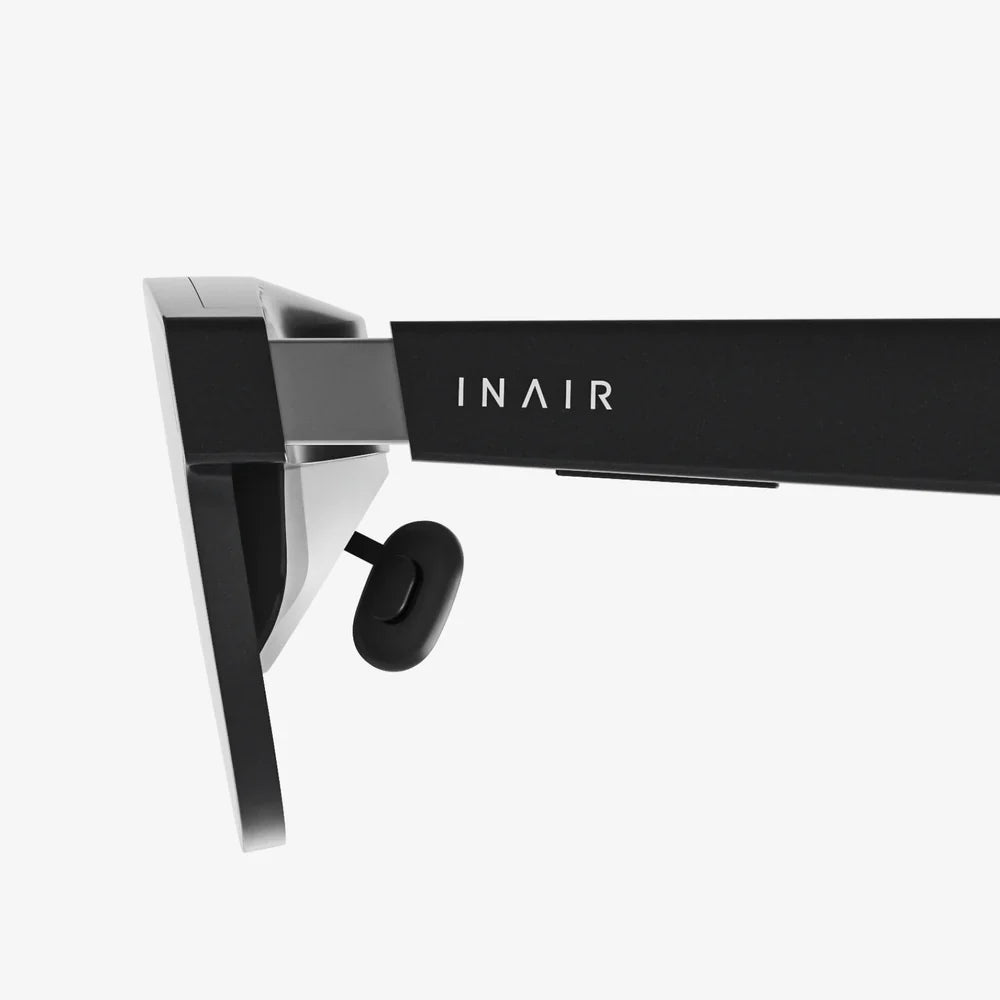
Imagine a device that transforms the powerful computer in your pocket into a gateway to limitless virtual worlds, a personal theater with an IMAX-sized screen, and a portal for connecting with others in ways that feel startlingly real. This is the promise, the potential, and the profound paradigm shift heralded by the development of a new VR headset designed to be powered by an iPhone. It’s not just another piece of hardware; it’s a reimagining of the most personal computer we’ve ever owned, unlocking experiences previously confined to bulky, expensive, and stationary systems. The convergence of mature smartphone technology with the burgeoning field of virtual reality is poised to democratize immersive computing in a way we’ve never seen before, and it all starts with the device already in your hand.
The Inevitable Convergence: Smartphone as Engine
For over a decade, the smartphone has been the undisputed king of personal technology. Its evolution has been a story of relentless miniaturization and increasing power. The modern smartphone, exemplified by high-end models, packs a system-on-a-chip (SoC) that rivals the processing power of recent laptops, advanced cooling systems, incredibly high-resolution displays, sophisticated multi-camera arrays, a suite of precise sensors (gyroscopes, accelerometers, LiDAR scanners), and all-day battery life. These aren't just components; they are the foundational building blocks for a high-quality virtual reality experience.
A VR headset traditionally must integrate all these elements internally, leading to complex engineering challenges, significant weight, and high cost. The revolutionary idea behind an iPhone-powered headset is elegantly simple: leverage the billions of dollars of R&D already invested in the smartphone. By using the iPhone's processing brain, its stunning display, and its sensory capabilities, the headset itself can become a more streamlined, affordable, and accessible accessory—often referred to as a "visor" or "shell."> This approach fundamentally changes the value proposition, removing the primary barriers to VR adoption: cost and complexity.
Deconstructing the Technology: How It Would Work
The architecture of such a system is a marvel of symbiotic design. The headset would act as a high-performance peripheral, while the iPhone serves as the computational heart.
The Display: A Window to Another World
The most logical and high-impact integration is the use of the iPhone's screen as the primary display for the VR experience. Modern smartphone displays offer pixel densities that far exceed what is available in many standalone VR headsets. By placing the phone's screen mere centimeters from the user's eyes, through a sophisticated series of lenses that warp and focus the image to fill the field of view, the device can create a incredibly sharp and vivid virtual environment. This eliminates the need for a built-in display, drastically reducing the headset's bill of materials and weight.
Processing Power: The Silent Workhorse
Rendering three-dimensional, interactive environments at high frame rates (90Hz or higher) is computationally intensive. The latest smartphone chipsets, with their incredibly powerful GPUs and neural engines, are more than capable of handling this task for a wide range of experiences. These processors are designed for efficiency, managing thermal output and power consumption to ensure a smooth experience without the need for loud, distracting fans. The entire processing burden is handled by the device users upgrade every few years, ensuring the VR platform silently evolves and improves with each new iPhone release.
Sensors and Tracking: Mapping Reality to Virtuality
An iPhone is a treasure trove of sensory data. Its gyroscope and accelerometer track head orientation with incredible speed and precision—essential for any VR experience to avoid latency-induced nausea. More advanced models include LiDAR scanners, which use lasers to accurately map the physical environment in real-time. This enables two critical features: passthrough AR and inside-out tracking. Passthrough AR would use the phone's cameras to show a video feed of the real world, overlaying digital objects onto it for mixed reality experiences. Inside-out tracking means the headset wouldn't require external sensors placed around a room; it could understand its position in space by looking at the world through the iPhone's cameras, enabling users to walk around and interact with their physical space safely.
Input and Interaction: Beyond the Controller
While traditional hand controllers would likely be part of the ecosystem, the true magic lies in leveraging the iPhone's advanced capabilities for more intuitive input. The front-facing TrueDepth camera system, designed for Face ID, is capable of detailed hand-tracking and understanding facial expressions. This could enable a future where users manipulate virtual objects with their bare hands, and their digital avatars can replicate their real-time smiles, winks, and frowns, adding a layer of social presence that is currently missing from virtual interactions.
A World of Applications: Beyond Gaming
While immersive gaming is the most obvious application, the potential uses for a ubiquitous VR/AR visor extend far into every aspect of our personal and professional lives.
Productivity and the Virtual Workspace
Imagine replacing your physical monitors with infinite virtual screens. A developer could code with several terminal windows and a browser arrayed around them. A financial analyst could have live data feeds and charts floating in their home office. This "spatial computing" paradigm, powered by a device that seamlessly transitions from your pocket to your face, could untether knowledge workers from dedicated physical setups, making any quiet corner a potential hyper-productive workspace.
Social Connection and Telepresence
Current video calls are a poor facsimile of being in the same room. A VR headset powered by advanced smartphone sensors could capture and transmit your spatial audio, hand gestures, and eye contact, placing your photorealistic avatar in a shared virtual space with others. The sense of "being there" with a distant family member, collaborator, or friend would be profoundly more powerful, helping to bridge the gap created by physical distance.
Education and Experiential Learning
History students could walk through a meticulously reconstructed ancient Rome. Medical students could practice procedures on virtual anatomy. Mechanics could learn to repair an engine with a interactive 3D model hovering in front of them. By making VR hardware accessible to institutions through a familiar and manageable platform, experiential learning could become a standard part of curricula, not a rare and expensive field trip.
Media and Entertainment
The ultimate personal cinema. With a VR headset, any video content—from a streaming movie to a 360-degree concert recording—becomes a private, immersive event. The high-resolution screen of a smartphone ensures that the virtual screen is crisp and clear, free from the "screen-door effect" that plagues lower-resolution headsets.
Challenges and Considerations: The Road Ahead
This vision is not without its significant hurdles. Engineering the optical path to perfectly align with the iPhone's display, managing potential heat generation during extended VR sessions, and optimizing software to deliver a seamless, low-latency experience are immense technical challenges. Furthermore, the societal questions of privacy, data security, and our relationship with the digital and physical worlds become even more critical as these immersive technologies become woven into the fabric of daily life. Designing for accessibility and ensuring these experiences are comfortable for a wide range of users is paramount to achieving true mainstream adoption.
The Ripple Effect: Reshaping an Industry
The successful launch of a high-quality, iPhone-powered VR headset would send shockwaves through the technology landscape. It would instantly create the largest potential installed base for any VR platform overnight, by catering to the hundreds of millions of existing iPhone users. This vast audience would be a siren call for developers, attracting investment and talent to create a rich and diverse ecosystem of applications that we can only begin to imagine. It would validate the "mobile-powered" model and likely spur intense competition, accelerating innovation and driving down prices across the entire market, ultimately benefiting all consumers.
We stand on the precipice of a new era in personal technology, one where the distinction between our physical and digital realities begins to blur. The iPhone, a device that redefined the 21st century, may be about to undergo its most radical transformation yet—from a window we look at to a world we step into. This isn't just about a new gadget; it's about unlocking human potential, fostering connection, and expanding the very canvas of creativity and experience. The most powerful computer you own is about to get a whole new perspective.
Share:
How Big Is a VR Headset: A Deep Dive into Dimensions, Design, and Comfort
Dynamic VR Headset: The Next Evolutionary Leap in Immersive Technology