


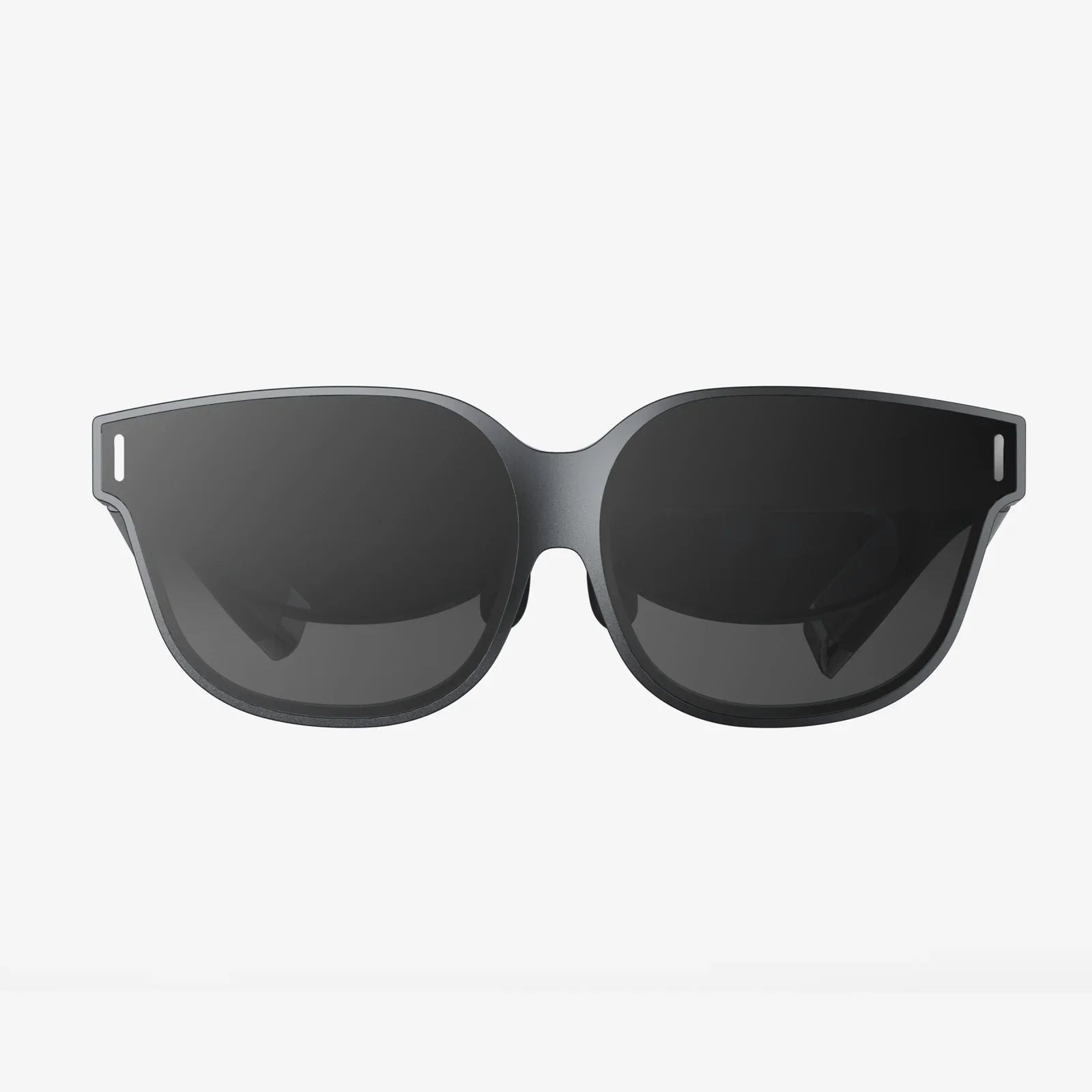
Imagine holding a portal to another world in the palm of your hand. This isn't science fiction; it's the reality for countless Australians who have discovered the transformative power of pairing their iPhone with a virtual reality headset. The concept of mobile VR has revolutionised accessibility, turning a device already integral to daily life into a gateway for breathtaking gaming, immersive educational tours, and virtual social connections. The search for the perfect iPhone VR headset in Australia is more than a shopping quest; it's the first step into an expansive digital frontier, ripe with possibility and waiting to be explored from the comfort of your own home, from the bustling streets of Sydney to the remote coasts of Western Australia.
The Rise of Mobile Virtual Reality
The journey of virtual reality has been one of rapid evolution. From clunky, prohibitively expensive hardware reserved for research labs and large corporations, VR technology has undergone a democratisation process, largely thanks to the power of the smartphone. The modern smartphone is a technological marvel, packing a high-resolution display, a powerful processor, sophisticated motion sensors, and precise gyroscopes—all the essential components needed for a compelling VR experience. This convergence of technology created a perfect storm, allowing accessory manufacturers to develop headsets that are essentially sophisticated, optically advanced housings for your phone. This model drastically lowered the barrier to entry, making immersive VR an attainable reality for millions, including a vast and tech-savvy Australian audience eager to experiment with the next big thing.
How an iPhone VR Headset Works
At its core, the principle is elegantly simple. An iPhone VR headset is a stereoscopic viewer. It uses a pair of high-quality lenses placed between your eyes and the iPhone's screen. These lenses warp and focus the image, creating a wide field of view that fills your peripheral vision, effectively tricking your brain into perceiving depth and scale. The iPhone itself does the heavy lifting: its screen is split into two distinct images (one for each eye), its internal gyroscope and accelerometer track your head movements in real-time, and its processor renders the virtual environment. When you turn your head, the sensors detect the motion and the software instantly adjusts the perspective on the screen. This creates the fundamental illusion of being inside a virtual space. Higher-end models often include additional features like a dedicated controller for input, adjustable focus dials to accommodate different eyesight levels, and broader compatibility across various iPhone models and screen sizes.
The Australian VR Landscape: A Market Primed for Growth
Australia presents a uniquely fertile ground for the adoption of mobile VR technology. With high smartphone penetration rates and a population known for its early adoption of new tech, Australians are naturally curious about immersive experiences. The country's geographic vastness and the physical distance from global tech hubs also make virtual reality an attractive tool for connection and exploration. An individual in a remote Tasmanian town can take a virtual walk through the Louvre in Paris, while a student in Brisbane can collaborate with peers in a virtual classroom environment. The Australian retail market reflects this growing interest. Consumers can find a wide array of iPhone-compatible VR headsets through major online marketplaces, electronics retailers with a strong brick-and-mortar presence across cities and suburbs, and specialised tech stores that often provide expert advice and hands-on demos, a valuable service for those new to the technology.
Choosing the Right Headset for Your iPhone
Navigating the available options requires careful consideration. The first and most critical factor is compatibility. Ensuring the headset is designed to accommodate your specific iPhone model's dimensions and screen size is paramount; a poorly fitting handset tray can obstruct the camera or buttons, or simply fail to hold the device securely. Comfort is another crucial element, especially for longer sessions. Look for headsets with ample padding, adjustable head straps, and balanced weight distribution to avoid strain. The quality of the lenses is perhaps the most significant determinant of visual fidelity. Lenses with minimal distortion, clear optics, and adjustable inter-pupillary distance (IPD) will provide a sharper, more comfortable image. Finally, consider the input method. While many experiences can be navigated by gazing at a point, a dedicated Bluetooth controller vastly expands the types of applications and games you can enjoy, offering precise control and a more engaging experience.
Experiences Beyond Gaming: The Practical Uses of Mobile VR
While gaming is often the headline attraction for VR, the potential applications for an iPhone headset extend far beyond entertainment. The educational sector is leveraging this technology to create powerful learning tools. Imagine Australian schoolchildren taking a virtual field trip to the Great Barrier Reef to learn about marine ecology without getting wet, or medical students practising complex procedures in a risk-free virtual operating theatre. In the realm of real estate, potential buyers can take immersive 3D tours of properties located anywhere in the country without leaving their current home. Architects and designers are using VR to create walk-through models of their projects for clients. Furthermore, the travel and tourism industry sees immense value, allowing people to preview destinations and experiences, from hiking through the Daintree Rainforest to attending a virtual concert at the Sydney Opera House. These practical applications demonstrate that an iPhone VR headset is not just a toy, but a versatile tool for work, learning, and exploration.
Overcoming Challenges and Limitations
It is important to approach mobile VR with realistic expectations. As a consumer-grade technology, it has its limitations compared to high-end, dedicated PC-powered VR systems. The graphical fidelity and processing power are inherently constrained by the iPhone's hardware, which means experiences are often less visually complex. Another common challenge is "screen door effect," where users can perceive the fine gaps between pixels on the screen, though this has become less noticeable with newer iPhone models boasting higher-resolution displays. Battery drain is also a significant factor, as running VR applications is highly demanding on the phone's processor and display. Perhaps the most talked-about issue is VR-induced motion sickness, which can occur when there is a disconnect between what the eyes see and what the body feels. This can often be mitigated by starting with shorter sessions and choosing experiences with comfortable movement settings.
The Future of iPhone VR in Australia
The horizon for mobile virtual reality is bright and constantly shifting. The ongoing advancement of iPhone technology—with ever-faster chips, better displays, and improved sensors—directly fuels the potential of mobile VR headsets. We are moving towards a future where these accessories will become more streamlined, perhaps even wireless, and integrated with augmented reality (AR) capabilities for mixed-reality experiences. For the Australian market, this means access to increasingly sophisticated and accessible technology that will further blur the line between the digital and physical worlds. As 5G network coverage expands across the continent, it will enable cloud-based VR experiences, reducing the processing burden on the phone itself and opening the door to even more complex and shared virtual environments. The evolution is set to continue, making now an incredibly exciting time to dive in.
Your iPhone is already a camera, a communicator, and a personal assistant. Now, it's waiting to become your window to limitless worlds. The Australian market is buzzing with options, ready to transform that sleek piece of glass and metal in your pocket into a vehicle for adventure, learning, and connection. The journey into virtual reality is no longer a distant dream—it’s an app download and a headset away. Discover the experiences waiting for you and see exactly what your iPhone is truly capable of.
Share:
Things You Can Do With a VR Headset: Beyond Gaming
How Much Is a VR Headset Under $90? The Ultimate Budget Buyer's Guide