


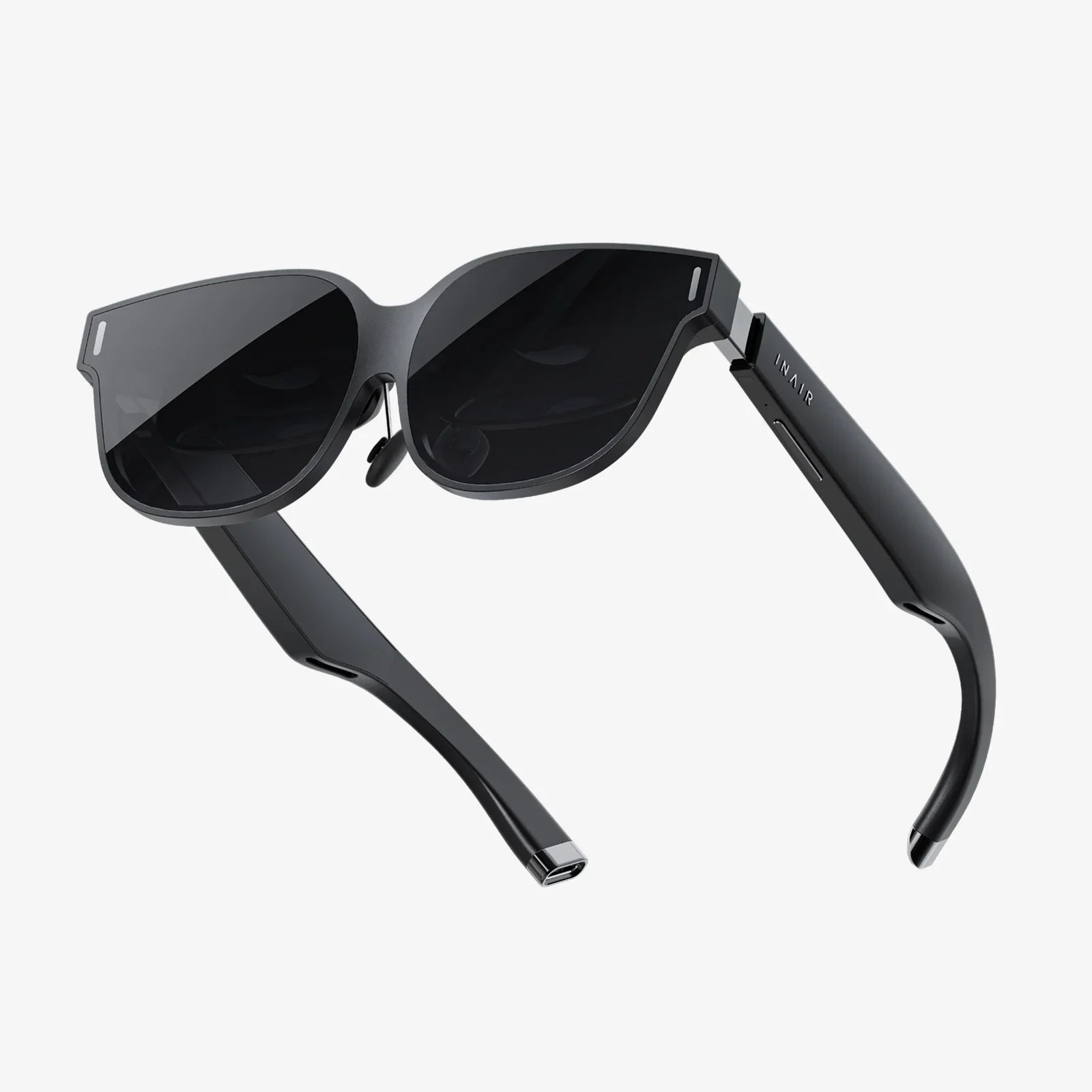
You've seen the ads, watched the viral videos, and maybe even tried a demo unit in a store. The sleek, futuristic design of a modern VR headset promises a portal to another world, an escape from the mundane into the extraordinary. But a nagging question remains, echoing in the back of your mind every time you consider adding one to your digital arsenal: is a VR headset worth getting? Is this piece of technology a fleeting novelty or a genuine leap forward in how we play, work, and connect? The answer is more nuanced than a simple yes or no, and it hinges entirely on what you hope to find on the other side of that lens.
The Evolution of the Experience: From Clunky Novelty to Compelling Platform
To understand the value of VR today, it's crucial to recognize how far it has come. Early consumer versions, while revolutionary for their time, were often hampered by low-resolution displays, cumbersome cables that tethered you to a powerful computer, and limited software libraries that offered more tech demo than deep experience. Motion tracking could be janky, and the dreaded "screen door effect"—where you could see the fine lines between pixels—was a constant reminder you were looking at a screen.
Fast forward to the present, and the landscape is dramatically different. The market has broadly segmented into three distinct categories, each catering to different needs and budgets:
- Standalone Headsets: These all-in-one devices have the computer, displays, and tracking sensors built directly into the headset. They are completely wireless, offering unparalleled freedom of movement and ease of setup. You simply put it on and you're in. Their graphical power is necessarily less than a high-end PC-connected system, but it has advanced to a point where experiences are smooth, immersive, and incredibly fun.
- PC-Connected Headsets: For the ultimate in visual fidelity and performance, these models act as a display and input device for a powerful desktop computer. They deliver breathtakingly realistic graphics, incredibly detailed environments, and the capability to run the most demanding simulations and games. The trade-off is the physical tether (though wireless adapter kits exist for some models) and the significant upfront cost of both the headset and the high-spec computer required to run it.
- Console-Based Systems: Designed to work seamlessly with a specific video game console, these headsets offer a fantastic middle ground. They leverage the console's power to provide a high-quality, plug-and-play experience that is more accessible than a PC setup but often more visually impressive than a standalone device.
This evolution means there's likely a VR solution that fits your technical comfort level and existing hardware, making the barrier to entry lower than ever before.
Beyond the Game: The Multifaceted Value of Virtual Reality
While gaming is the most famous and marketable application, the true worth of a VR headset often reveals itself in unexpected places. Its value is multidimensional.
The Ultimate Escape: Gaming and Entertainment
Let's start with the obvious. VR gaming is an entirely different medium from traditional flat-screen gaming. It's not just about looking at a world; it's about being in it. The sense of scale, depth, and presence is profound.
- Immersion: Crouching behind a virtual barricade while bullets whiz past your head, feeling the genuine vertigo when looking down from a virtual skyscraper, or staring into the eyes of a character that feels life-sized—these are experiences flat screens cannot replicate.
- Physicality: VR games are active. You duck, dodge, swing, throw, and climb. It’s a form of entertainment that engages your body as much as your mind, making a gaming session also a light workout.
- Social Connection: Platforms exist that are less like games and more like virtual social spaces. You can meet friends from across the globe in a virtual movie theater, concert hall, or just a cozy lodge to play cards. The avatars use motion tracking, so body language and gestures are translated, creating a surprisingly genuine sense of shared presence that Zoom calls can't match.
- Media Consumption: Imagine your own personal IMAX theater. VR headsets can simulate a massive screen in a virtual environment, allowing you to watch movies, YouTube, or sports in a completely private, immersive cinema. The quality of these virtual screens has improved dramatically, making it a legitimate way to consume media.
A New Dimension of Fitness
This is perhaps the most compelling non-gaming application. A plethora of fitness apps have turned VR into a highly engaging gym alternative. Through rhythm games that have you squatting and slicing blocks, or boxing simulators that will have you drenched in sweat, VR makes exercise fun and distracting. You're focused on the game, not the repetition of the workout, making it easier to stick to a routine. Many apps track calories burned and time active, providing tangible fitness goals.
Professional and Educational Tools
The value proposition extends firmly into productivity and learning.
- Education: Imagine medical students practicing complex surgeries on virtual patients, history students walking through a digitally reconstructed ancient Rome, or mechanics training on the internal systems of a jet engine—all without risk, cost, or logistical nightmares.
- Remote Work & Collaboration: With the rise of remote work, VR offers a potential future for collaboration that is more engaging than a grid of video calls. Architects and designers can walk clients through 3D models of buildings before a single brick is laid. Teams can brainstorm on virtual whiteboards in a shared space, feeling as if they are in the same room.
- Skill Training: From public speaking practice in front of a virtual audience to flight simulators for pilots, VR provides a safe, repeatable, and cost-effective training environment for high-stakes skills.
The Reality Check: Considerations and Hidden Costs
To accurately assess if a VR headset is worth it, you must also weigh the challenges and less-glamorous realities.
- The Financial Outlay: The headset itself is just the starting point. For PCVR, you must factor in the cost of the capable computer. You'll also need to budget for software, which, while often reasonably priced, can add up quickly. Premium experiences and games typically cost between $20 and $40. Accessories like additional face covers for hygiene, prescription lens inserts if you wear glasses, better head straps for comfort, and extra controllers are all common and recommended purchases that increase the total investment.
- Physical Space and Setup: While standalone headsets minimize this, you still need a clear, safe area to play. You must be mindful of ceilings, walls, furniture, and pets. Setting up base stations for older PCVR models or dedicating space can be a hurdle in smaller homes.
- The Comfort Factor: Headsets are getting lighter, but they are still a piece of hardware strapped to your face. Heat buildup, pressure on the cheeks and forehead, and the simple fact of having your vision obscured can be uncomfortable for some. Long sessions require breaks. Finding the right fit is crucial.
- Technical Hurdles: While much improved, VR is not always plug-and-play, especially on PC. You may encounter software updates, driver conflicts, or performance issues that require troubleshooting. A willingness to tinker is still an asset.
- Motion Sickness: This is the biggest barrier for many. When your eyes perceive movement that your inner ear does not, it can cause disorientation and nausea. Most users can overcome this with short, regular sessions—"getting their VR legs"—but for a minority, it remains a persistent issue that limits enjoyment.
Who Is It For? Finding Your Place in the Virtual World
So, is it worth it? The answer crystallizes when you see yourself in one of these profiles:
- The Avid Gamer: If you crave the next evolution of interactive entertainment and want experiences you can't get anywhere else, it is an easy yes. The library is now deep enough with acclaimed titles to justify the purchase.
- The Fitness Seeker: If you struggle with motivation for traditional exercise and think gamified workouts would keep you engaged, a headset could be a fantastic investment in your health.
- The Tech Enthusiast: If you love being on the cutting edge and experiencing technology as it evolves, VR is one of the most exciting fields to participate in firsthand.
- The Social Connector: If you have friends or family who live far away and want a more meaningful way to connect than a video call, social VR platforms offer a unique solution.
- The Professional or Student: If your field has clear VR applications for design, training, or visualization, it can be a powerful tool, not just a toy.
Conversely, if you are sensitive to motion sickness, have very limited space, expect flawless plug-and-play operation with zero setup, or have no interest in the core applications of gaming, fitness, or socializing, the value proposition plummets.
The Future Is Already Here, But Still Arriving
The VR industry is not static. The technology is advancing at a rapid pace. We are seeing the emergence of new features like high-resolution color passthrough (allowing for mixed reality experiences where digital objects are overlayed onto your real world), eye and face tracking for more expressive avatars, and lighter, more comfortable form factors. The software library expands every month with more innovative and polished experiences. Buying a headset now is not buying a finished product; it's buying a ticket to a platform that is continuously evolving and improving.
Ultimately, the question of whether a VR headset is worth getting is deeply personal. It's not a mandatory piece of technology like a smartphone, but rather an enhancer—a device that opens doors to new forms of fun, fitness, and connection. The initial "wow" factor of the technology is undeniable and potent, but the long-term value is built on a growing foundation of substantive software and practical applications. It requires a willingness to engage with it, to move your body, and to explore its possibilities. If the idea of stepping through a portal to new worlds, new workouts, and new ways to meet people excites you, then that ticket is likely worth the price. The virtual frontier is open for exploration, and the only real way to know if it's for you is to take that first step inside.
Share:
What Is the Best VR Headset for iPhone 6? A Comprehensive Guide to Mobile Immersion
7000 Dollar VR Headset: The Dawn of a New Reality and What It Means for the Future