


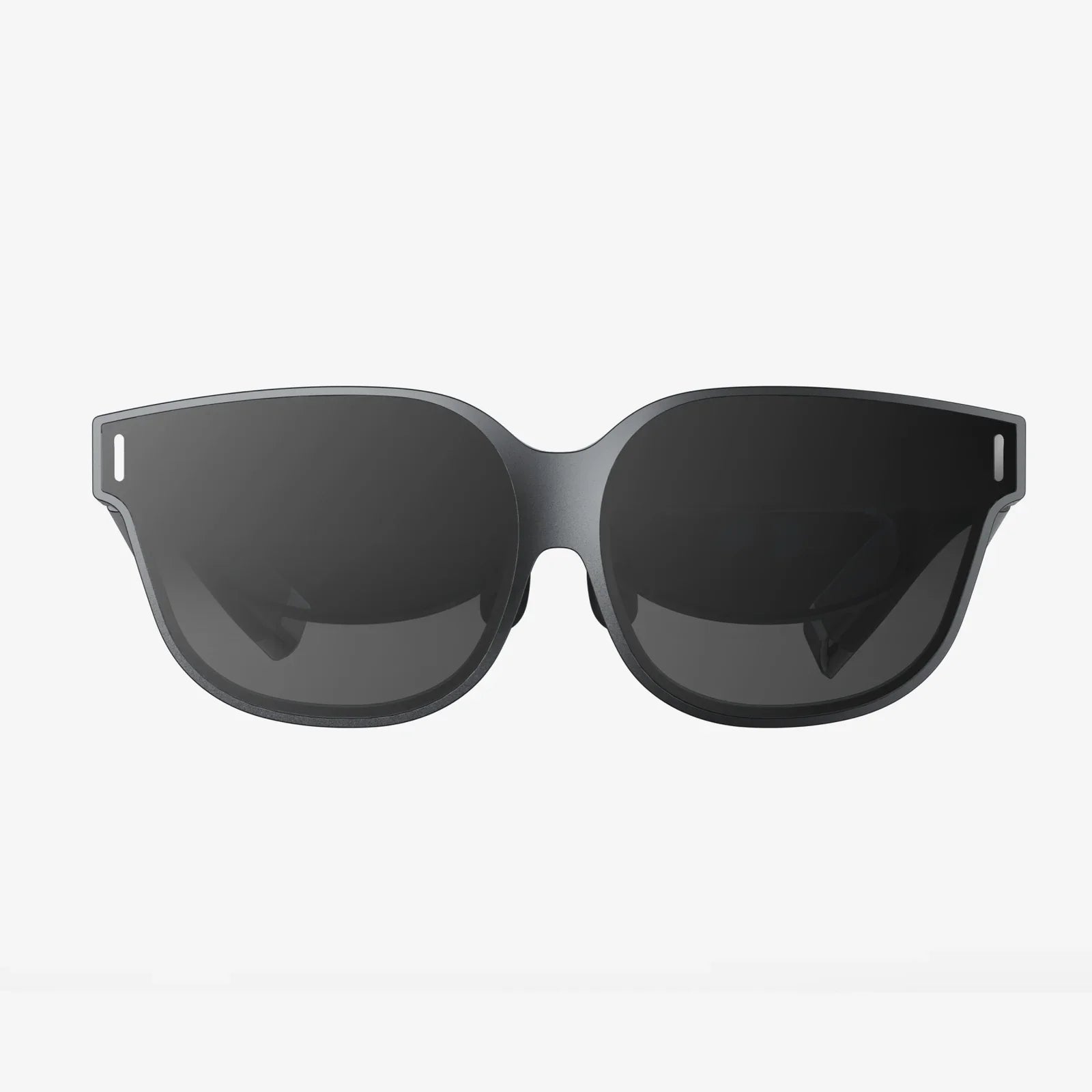
Imagine a world where your most trusted advisor, creative collaborator, and navigational guide doesn’t reside in your pocket but sits right before your eyes, seamlessly integrated into the very lens through which you perceive reality. This is the tantalizing promise and profound paradigm shift being heralded by the next generation of wearable technology. The race to perfect this vision is on, and the central question dominating the tech landscape is clear: what happens when a familiar accessory is transformed into an intelligent partner? The answer is rewriting the rules of human-computer interaction.
The Evolution from Augmentation to Intelligence
The concept of technology-enhanced vision is not new. For years, early iterations of smart glasses offered basic functionalities like heads-up displays for navigation or the ability to record short video clips. These devices were pioneers, but they often felt clunky, socially awkward, and offered limited utility beyond being a novel camera or a second screen. They augmented reality but lacked true intelligence. They could show you a map, but they couldn't understand the context of your journey or proactively suggest a better route based on real-time events.
The pivotal change, the quantum leap that is now taking place, is the move from simple augmentation to contextual, ambient intelligence. This is not merely about adding a tiny projector to a frame; it is about embedding a powerful, personal AI agent that sees what you see, hears what you hear, and processes that information in real-time to be genuinely helpful. The core differentiator is the shift from a passive display to an active cognitive partner.
Deconstructing the Technological Symphony
Creating this seamless experience is a feat of miniaturization and engineering that pushes the boundaries of current technology. The hardware required is a symphony of advanced components, each playing a critical role.
The Power of Sight and Sound
At the front lines are sophisticated sensors. High-resolution cameras capture the visual field, while microphones arrayed around the frame pick up audio commands and ambient sounds. Depth sensors, such as miniature LiDAR or time-of-flight sensors, map the environment in three dimensions, allowing the device to understand spatial relationships—the distance to a curb, the size of a room, or the placement of virtual objects on a physical table.
The Brain Behind the Lenses
Processing this deluge of sensory data requires immense computational power, but it must be achieved with extreme energy efficiency to avoid bulky designs and overheating. This is where specialized neural processing units (NPUs) come in. These chips are designed specifically for the parallel computations required by AI algorithms, enabling complex tasks like real-time object recognition, language translation, and scene analysis without draining the battery or requiring a connection to a distant data center.
A Display Woven into Reality
Perhaps the most magical element is the display technology. Waveguide optics, which use microscopic gratings to project light directly onto the retina, are key. This creates the illusion that digital information is floating in the world itself, seamlessly overlaying directions onto the street or a recipe onto your mixing bowls, all while allowing you to see your natural environment unimpeded.
Beyond Novelty: Transformative Use Cases
The true measure of this technology lies not in its specs but in its utility. The applications stretch across every facet of human endeavor, promising to enhance our capabilities, accessibility, and understanding.
Revolutionizing Accessibility
For individuals with visual or auditory impairments, AI-powered glasses can act as a powerful sensory prosthesis. They can describe scenes aloud, read text from menus or documents, identify currency, and amplify specific sounds while dampening background noise. For someone who is deaf or hard of hearing, real-time speech-to-text transcription can be displayed directly in their field of view, making conversations fluid and inclusive.
Redefining Professional Workflows
In fields from medicine and engineering to maintenance and logistics, the hands-free, context-aware nature of intelligent glasses is a game-changer. A surgeon could have vital signs and procedural guides overlayed without looking away from the operating table. A field engineer could see schematic diagrams superimposed on the machinery they are repairing, with the AI highlighting the specific component to be replaced. This constant flow of contextual information dramatically reduces cognitive load and human error.
The Ultimate Travel and Learning Companion
Imagine traveling in a country where you don't speak the language. Simply looking at a street sign or a menu would instantly trigger a translation overlay. Looking at a landmark could bring up its historical significance. For a student, looking at a complex equation or a historical artifact could summon explanations and related videos, transforming the world into an interactive classroom.
The Inevitable Ethical Minefield
With this transformative power comes a host of profound ethical, social, and legal questions that society is woefully unprepared to answer. The very features that make the technology so powerful are also the source of its greatest perils.
The Privacy Paradox
A device that continuously captures its surroundings is the ultimate surveillance tool. The potential for constant, undetectable recording raises alarming questions about consent and privacy in public and private spaces. How do we prevent a world where every conversation is susceptible to being recorded and analyzed? The legal frameworks governing audio and video recording are outdated and vary wildly by jurisdiction, creating a grey area ripe for abuse.
Data Security and Ownership
The amount of personal data collected by these devices is staggering—a continuous log of everything you see, everywhere you go, and everyone you interact with. This constitutes a treasure trove of biometric and behavioral data. Who owns this data? How is it stored, secured, and used? A data breach would be catastrophic, and the potential for manipulation by advertisers or worse, authoritarian governments, is a dystopian nightmare.
The Social Contract and New Etiquette
The adoption of this technology will force a renegotiation of social norms. Will wearing glasses in a meeting be considered rude, as it implies you might be recording or distracted? How will we know when we are being recorded? The subtle cues of human interaction, the trust that a conversation is private, could be eroded, leading to a society where people are perpetually self-conscious and guarded.
The Road Ahead: Blending, Not Just Overlaying
The future of this technology lies not in creating a distracting layer of floating apps, but in achieving a state of true blended reality. The goal is ambient computing, where the technology fades into the background, intuitively anticipating needs and providing information only when it is contextually relevant and useful. The hardware will become lighter, more power-efficient, and eventually, indistinguishable from conventional eyewear. The AI will evolve from a reactive tool to a proactive agent, understanding user habits and intentions to offer assistance before it's even asked for.
This journey will be iterative. Early adopters will face limitations, social scrutiny, and the inevitable bugs of a first-generation product. But the trajectory is set. We are moving towards a paradigm where computing is not a destination—a desk or a phone screen—but an integrated, intelligent fabric woven into our daily perception. The question is no longer if this future will arrive, but how we will choose to shape it, ensuring that the technology enhances our humanity without compromising our privacy, our autonomy, or our connection to the un-augmented world around us. The next time you put on a pair of glasses, you might not just be correcting your vision; you might be opening a window to a new way of being.
Share:
Difference Between AR and VR in Tabular Form: A Complete Guide to Immersive Technologies
Concerns with Augmented Reality: Navigating the Unseen Risks of a Digital Overlay