


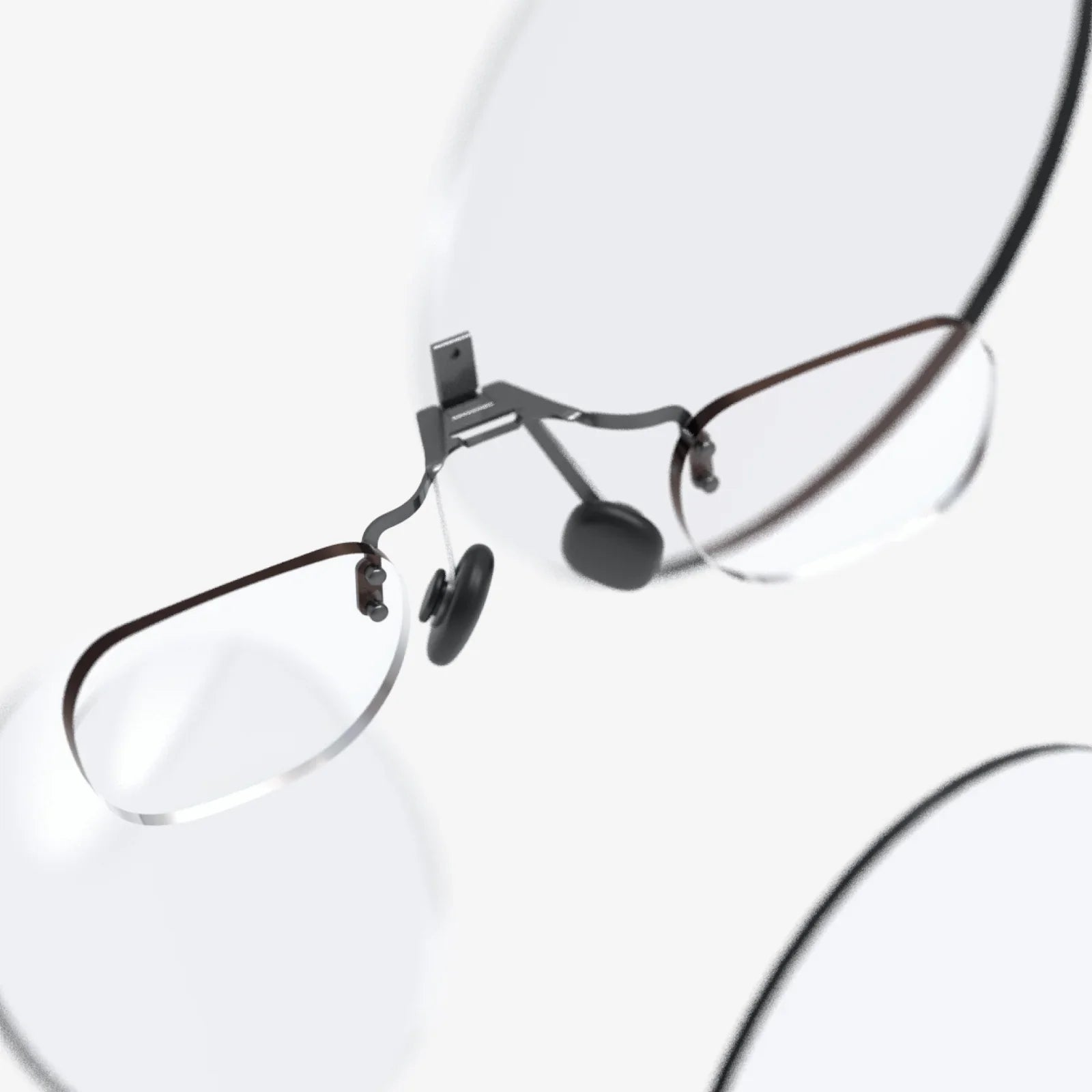
Imagine walking into a crowded conference, and before you can even fumble for a name, a discreet prompt in the corner of your vision identifies the colleague approaching you, complete with their name, last project you worked on together, and a reminder that they prefer tea over coffee. This is the tantalizing promise of facial recognition integrated into upcoming smart glasses—a seamless blend of the digital and physical world that anticipates your needs and erases social friction. It’s a vision of the future that feels ripped from science fiction, promising to make us more connected, informed, and efficient. But this powerful technology casts a long shadow, one where every stranger on the street could potentially access your identity, where your movements could be tracked without consent, and where the very concept of public anonymity evaporates. The question is no longer if this technology is coming, but how we will navigate the immense ethical and practical challenges it presents.
The Technological Leap: From Clunky Prototypes to Unobtrusive Power
The journey to viable smart glasses has been a marathon of miniaturization and innovation. Early attempts were often bulky, socially awkward, and limited in functionality. The key to the next generation lies in making the technology disappear—not just physically, but socially. Advances in micro-optics allow for displays that are bright and clear without obstructing the user’s view or appearing obvious to others. Sophisticated sensors, including high-resolution cameras and depth sensors, are being shrunk down to fit within the slender arms of a standard eyeglass frame.
But the real magic, and the core of the facial recognition debate, happens in the silicon. On-device processing is the critical enabler. Instead of streaming live video feed to a remote server for analysis—a process fraught with latency and security risks—the next wave of devices will feature dedicated neural processing units (NPUs) capable of running complex machine learning models directly on the glasses themselves. This means the camera captures an image, the onboard AI processes it in milliseconds, and delivers a result—all without the data ever leaving the device. This architectural shift is paramount, as it fundamentally changes the privacy and security implications of the technology.
The Allure of Augmented Social Interaction
Proponents of the technology paint a picture of a world where social anxiety and awkwardness are greatly reduced. The potential applications extend far beyond simple name tagging:
- Enhanced Accessibility: For individuals with prosopagnosia (face blindness), this technology could be genuinely life-changing, providing subtle cues to help them recognize friends, family, and colleagues, thus reducing immense daily stress and anxiety.
- Professional Networking: At large events, smart glasses could provide real-time contextual information about people you meet, from their professional background to shared connections, making networking more fluid and productive.
- Personalized Reminders: Imagine your glasses gently reminding you that the person you see at the grocery store is your child’s soccer coach, along with a note to ask about the upcoming game schedule.
- Safety and Security: In controlled environments, parents could be alerted if a child wanders out of a designated area, or security personnel could be notified if a person on a watchlist enters a secure facility.
This vision is one of a more connected and supportive world, where technology acts as a silent partner, enhancing our innate human abilities to communicate and understand our environment.
The Perilous Precipice: Erosion of Privacy and Consent
For every potential benefit, there exists a deeply concerning counterpoint. The most glaring issue is the fundamental lack of consent. Facial recognition via smart glasses creates the potential for mass, decentralized surveillance. Unlike a fixed security camera on a building, which is stationary and often subject to regulation, this technology is mobile, personal, and could be everywhere.
This leads to a society where anyone, from a curious stranger to a malicious actor, could point their gaze at you and instantly know who you are, where you work, and what your social media profile reveals. The concept of public anonymity—the freedom to move through a crowd unnoticed—is a cornerstone of personal liberty that would be utterly dismantled. It enables a new form of harassment, stalking, and discrimination that is difficult to detect and prevent. The power dynamics are terrifying: an individual wearing the glasses gains a significant informational advantage over everyone else in their field of view, all without their knowledge or permission.
The Myth of Anonymity and the Illusion of Security
Manufacturers will rightly tout on-device processing as a privacy-preserving feature. And while it is a vast improvement over cloud-based processing, it is not a silver bullet. The data, even if processed locally, must first be captured. The existence of that capture mechanism creates a risk. Devices can be hacked, and the sophisticated models that identify faces could be repurposed by malicious software to log and exfiltrate facial data. A device that is always on and always looking is a high-value target for bad actors.
Furthermore, the creation of vast, private databases of facial mappings is inevitable. Even if your data isn’t sent to a company’s server, the glasses’ user is building their own private database of recognized faces, associated with personal notes and information. The security of that highly sensitive personal database is only as strong as the device’s protections, which have historically been vulnerable in consumer electronics.
Navigating the Legal and Ethical Labyrinth
The law has consistently lagged behind technological innovation, and facial recognition is no exception. There is currently a patchwork of local and state regulations, but no comprehensive federal law in the United States governing its use. This legal gray area creates uncertainty and risk for both users and the general public. Key questions remain unanswered:
- Is recording and analyzing a person’s face in public a violation of their rights?
- Who owns the biometric data captured momentarily by the device?
- What are the legal repercussions for using the technology to harass or discriminate?
- Can individuals opt-out of being identified by these systems, and if so, how?
Ethically, the burden cannot be placed on the public to defend their own privacy against a technology they cannot see being used. The onus must be on developers and manufacturers to embed ethical principles—Privacy by Design—into the core of the product. This includes clear, unambiguous indicators when the technology is active, robust user controls, and strict data governance policies that prioritize user and public consent.
A Path Forward: Balancing Innovation with Responsibility
The development of this technology does not have to be an all-or-nothing proposition. A responsible path forward requires a multi-stakeholder approach involving tech companies, legislators, privacy advocates, and the public. Potential solutions could include:
- Mandatory Indicators: A bright, visible light (like the recording light on a camera) that is hardwired to activate whenever the facial recognition sensor is engaged, providing a clear signal to those in the vicinity.
- Geofencing and Contextual Awareness: Building systems that automatically disable the feature in sensitive locations like public bathrooms, locker rooms, medical facilities, and places of worship.
- Granular Permissions: Allowing users to create whitelists (e.g., only recognize contacts from my address book) or blacklists, giving them precise control over how the technology functions.
- Strong Federal Legislation: Clear laws that define acceptable use, establish strong penalties for misuse, and create a digital right to privacy that protects biometric data as a unique and sensitive category of personal information.
The goal should not be to stifle innovation, but to guide it toward a future that respects human dignity and autonomy. The technology itself is neutral; its impact is defined by the rules we build around it.
The race to perfect smart glasses is accelerating, and facial recognition is a jewel in the crown that too many companies are eager to claim. The convenience it offers is undeniable, a siren’s call to a more efficient life. But we must step onto this new shore with our eyes wide open to the perils that lie alongside the promise. The future of our social interactions, our personal security, and our very right to anonymity in public hangs in the balance. The ultimate question we must answer is not can we build it, but should we, and if so, under what inviolable rules? The time to have this debate is now, before the technology becomes ubiquitous and the norms are set in stone.
Share:
Intrinsically Safe Smart Glasses: The Future of Hands-Free Safety in Hazardous Environments
AI Smart Glasses Price India: A Complete Buyer's Guide for 2024