


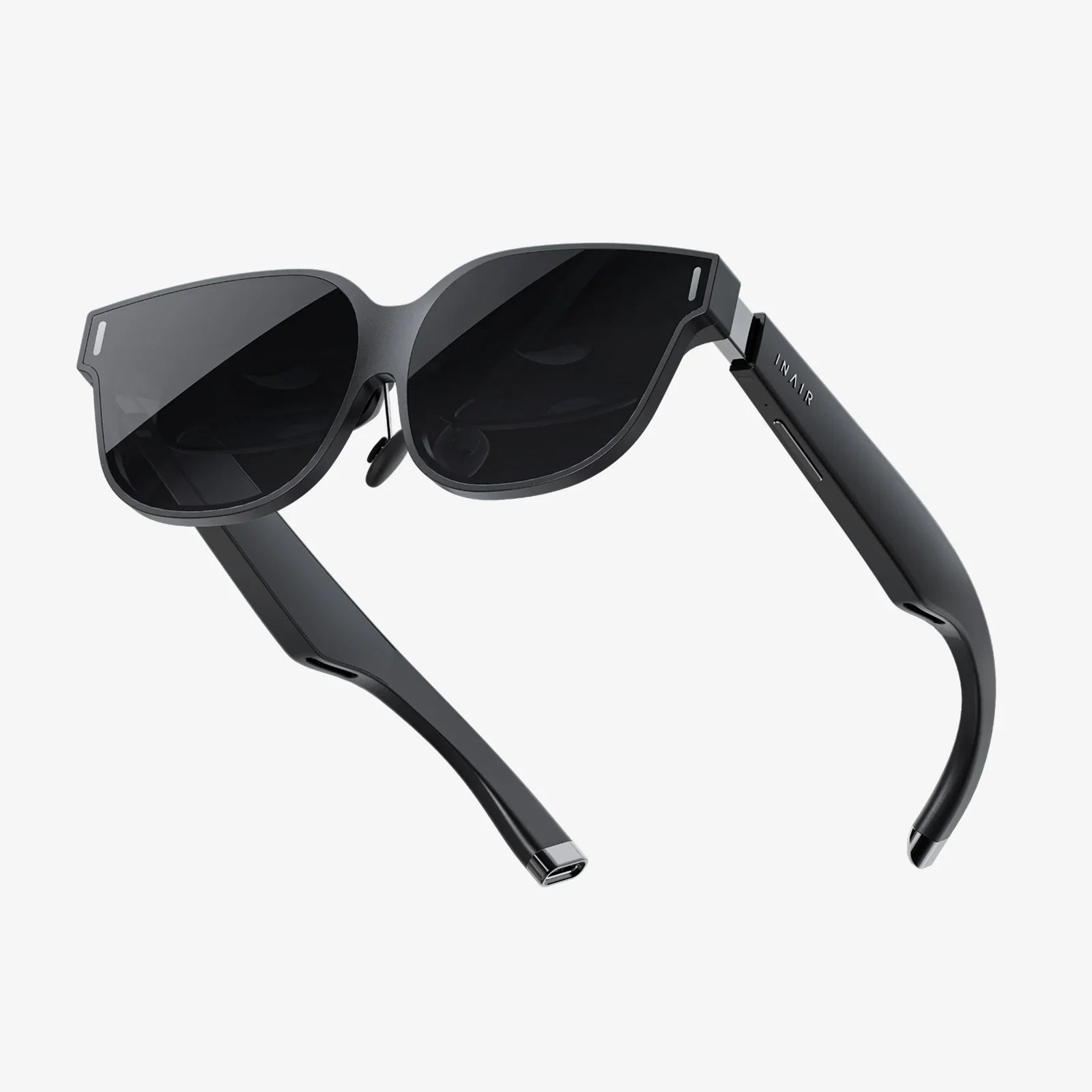
You’ve just finished an epic VR adventure or a calming meditation session in a breathtaking virtual world. The headset feels like a part of you now, and as drowsiness sets in, a seemingly innocent thought crosses your mind: what if I just… left it on? Falling asleep with the digital world as your dreamscape sounds like a plot from a sci-fi novel, a seamless blend of consciousness and code. But before you drift off into the metaverse, you need to understand the very real and present dangers lurking behind this seductive idea. The truth is far more complex and concerning than you might imagine.
The Allure and the Immediate Physical Risks
The temptation to sleep with a VR headset is understandable. Perhaps you're using a sleep-focused application designed to lull you with serene environments and binaural beats. Maybe you're in the middle of a social experience and don't want to log off. Or possibly, you're simply too tired to bother taking it off. Regardless of the reason, the act introduces a host of immediate physical hazards.
Modern VR headsets, while increasingly sleek, are still substantial pieces of hardware. They are not designed as sleepwear. The primary and most direct risk is physical injury. The straps, cables (if present), and the rigid housing of the headset itself can become entanglement hazards. Moving during sleep could cause you to strangle yourself or put dangerous pressure on your neck. Furthermore, the headset can shift during the night, potentially putting excessive pressure on your face, the bridge of your nose, or your temples, leading to nerve compression, skin irritation, and even facial bruising.
Another significant concern is overheating. These devices generate a considerable amount of heat from their internal processors and displays. Having this heat source strapped tightly to your face for an extended period, especially when combined with the natural warmth of your bedding, can lead to discomfort, excessive sweating, and in extreme cases, thermal burns or damage to the device itself. This also creates a moist environment perfect for breeding bacteria, leading to skin infections and acne around the contact areas.
The Assault on Your Sleep Architecture
Beyond the scrapes and bruises lies a more insidious threat: the degradation of your sleep quality. The fundamental purpose of sleep is to restore the body and mind. Wearing a VR headset actively works against this process.
Human sleep is not a monolithic state; it's a cyclical journey through different stages, including light sleep, deep sleep (slow-wave sleep), and Rapid Eye Movement (REM) sleep. Each stage is crucial. Deep sleep is vital for physical recovery and memory consolidation, while REM sleep is essential for learning, emotional regulation, and mental health. The light emitted by VR headsets, particularly blue light, is a powerful suppressor of melatonin, the hormone that regulates your sleep-wake cycle. By bathing your retinas in this light right up to—and even during—your attempts to sleep, you are effectively telling your brain that it's still daytime. This disrupts the natural onset of sleep, delays the entry into deeper, more restorative stages, and fragments your sleep architecture, leaving you feeling less rested upon waking.
Furthermore, the content you're engaging with matters immensely. Even a "calm" virtual environment is still a form of sensory input and cognitive engagement. Your brain must process the visuals and sounds, preventing it from fully disengaging and entering a state of true rest. It's the difference between lying in a quiet, dark room and lying in a room with a movie projected on the wall. One allows for rest; the other demands low-level attention.
Long-Term Health Implications: A Look Into the Unknown
While the acute risks are clear, the long-term consequences of regularly sleeping in VR are a frontier of medical science. However, we can extrapolate from known research on sleep deprivation and technology use.
Chronic sleep disruption, as would likely occur from this habit, is linked to a terrifyingly long list of serious health problems:
- Cardiovascular Disease: Poor sleep is associated with high blood pressure, heart disease, and stroke.
- Metabolic Dysregulation: It increases the risk of type 2 diabetes and weight gain by disrupting hormones that control appetite (ghrelin and leptin).
- Cognitive Decline: Consistently missing deep and REM sleep impairs memory, focus, and learning. Over decades, it may even increase the risk of neurodegenerative diseases like Alzheimer's.
- Mental Health Disorders: There is a strong bidirectional link between sleep problems and conditions like depression, anxiety, and irritability.
Compounding this is the potential for eye strain and visual disturbances. VR headsets create a 3D effect by presenting two slightly different images to each eye, a process known as stereoscopy. Forcing your eyes to maintain convergence and focus on a fixed, close-up virtual screen for hours on end, including during sleep, could lead to prolonged eye muscle fatigue, blurred vision, and difficulties with depth perception in the real world, a phenomenon sometimes called "VR blindness" or the adaptation effect.
The Psychological and Reality-Blurring Consequences
The impact isn't solely physical. Our sense of self and our connection to reality are delicate constructs. Immersing your consciousness in a virtual environment as you lose conscious awareness during sleep could have profound psychological effects.
Sleep is when the brain organizes memories and processes emotions. Introducing a persistent, artificial layer into this process could lead to confusing dream content, a blurring of lines between virtual experiences and real memories, and increased disorientation upon waking. This could exacerbate feelings of derealization or depersonalization, where individuals feel detached from their surroundings or themselves.
There's also a social and behavioral dimension. Using VR to escape reality, even during sleep, could be a sign of problematic avoidance behavior. Prioritizing a virtual existence over the fundamental biological need for restorative sleep in the real world can strain real-world relationships and responsibilities, creating a negative feedback loop that fuels further escapism.
A Glimmer of Future Potential (With Major Caveats)
It is worth noting that researchers and some developers are exploring the potential therapeutic benefits of guided sleep experiences in VR. The idea is to use the technology to facilitate sleep, not to remain active during it. Imagine applications that use biofeedback to calm your breathing, or that gradually dim and simplify a virtual environment as you drift off, eventually fading to black once sleep is detected.
For this to be safe, the hardware would need a radical redesign: ultra-lightweight materials, no rigid parts, advanced thermal management, and most importantly, systems that automatically and completely disengage the displays and processing once the user is asleep. We are not there yet. Current consumer-grade equipment is unequivocally not built for this purpose.
The Verdict: A Resounding and Necessary Warning
So, is it bad to sleep with a VR headset on? The answer, based on our current understanding of physiology, sleep science, and the technology itself, is a definitive and emphatic yes. The risks far outweigh any perceived benefits. The practice is physically dangerous, detrimental to sleep quality, and poses significant potential for long-term health consequences. It is a habit that should be actively avoided.
The responsible approach is to view VR as a wonderful tool for waking hours—for entertainment, creativity, fitness, and social connection. But when it's time to sleep, the headset must come off. Establish a clear digital sunset: power down the headset, engage in a real-world calming routine like reading a physical book or listening to audio-only music, and allow your brain to sleep in the natural, dark, and quiet environment it evolved to need. Your body, your mind, and your future self will thank you for drawing this critical boundary between the vibrant digital world and the essential sanctuary of sleep.
That enticing dream of a virtual lullaby is a siren's call, promising technological transcendence but delivering a cascade of physiological consequences. The path to truly restorative rest doesn't lie through a USB port; it lies in embracing the quiet, analog darkness, allowing your brain to perform its ancient, vital work uninterrupted by the glow of a simulated world. Prioritizing this biological imperative is the ultimate hack for long-term health and cognitive performance, ensuring you wake up truly recharged and ready to experience all realities, both virtual and actual, to their fullest potential.
Share:
Can You Watch Films on VR Headset: The Ultimate Guide to Immersive Cinema
Can You Watch Films on VR Headset: The Ultimate Guide to Immersive Cinema