


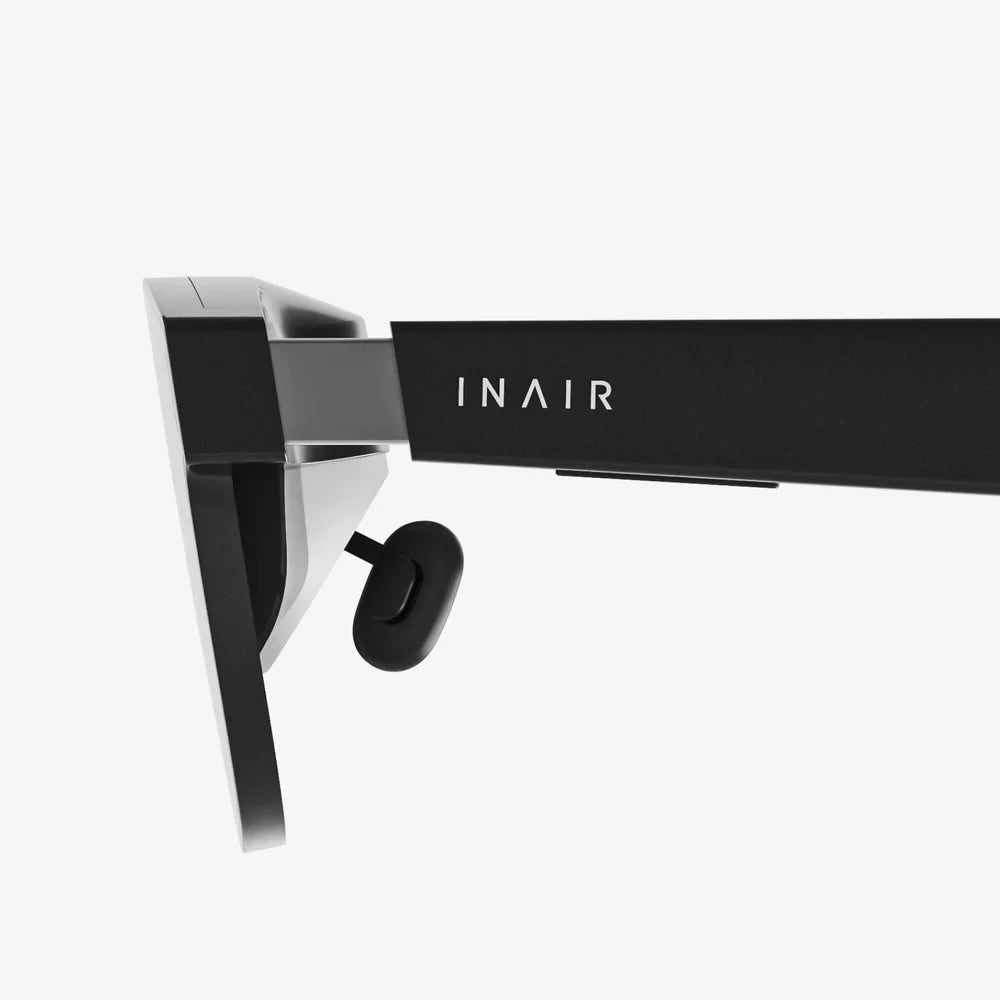
Imagine stepping into a breathtaking virtual world, scaling mountains, battling aliens, or creating 3D art, all without a single cable tethering you to a monstrously expensive computer. This isn't a glimpse into a distant future; it's the reality offered by a rapidly evolving class of technology that answers a burning question for millions: is there a VR headset that doesn't need a PC? The answer is a resounding yes, and it's revolutionizing how we experience virtual reality. Welcome to the era of the standalone VR headset, a self-contained portal to digital dimensions that is making immersive computing more accessible than ever before.
The Dawn of Untethered Freedom: What is Standalone VR?
To understand the standalone VR headset, it's best to first look at what came before. Traditional, or tethered,
virtual reality systems require a physical connection to a powerful external computer. This PC is the engine room, responsible for all the heavy lifting: running the sophisticated software, rendering the complex 3D graphics at high resolutions and frame rates, and processing all the user's movements. The headset itself is essentially a sophisticated display and tracking device. While this setup delivers incredibly high-fidelity experiences, it comes with significant barriers: high cost (both for the headset and the capable PC), a lack of portability, and the literal cable that restricts movement and can break immersion.
Standalone VR headsets shatter this paradigm. They are all-in-one devices, meaning every critical component is built directly into the headset. Inside the sleek housing, you'll find a processor (a mobile System-on-a-Chip, or SoC, similar to those in high-end smartphones), built-in memory and storage, a battery, multiple cameras for tracking, and of course, the high-resolution displays. They are completely wireless and self-sufficient, requiring no external sensors, phones, or PCs. You simply put one on, power it up, and you're ready to explore. This leap in convenience has been the single biggest driver in bringing VR to a wider audience, moving it from a niche enthusiast hobby closer to a mainstream consumer electronics product.
Powering the Magic: The Technology Inside a Standalone Headset
The engineering behind a standalone VR headset is a marvel of miniaturization and optimization. The core challenge is balancing performance, battery life, thermal output, and weight—all within a package meant to be worn comfortably on your face.
- The Brain (SoC): The heart of any standalone headset is its processor. These advanced chipsets handle everything from running the operating system and applications to rendering the graphics and processing the data from the tracking cameras. Major advancements in mobile processing power have been the key enabler for viable standalone VR, allowing for experiences that were once unimaginable without a desktop GPU.
-
The Eyes (Inside-Out Tracking): This is the magic trick that eliminates external sensors. Using multiple wide-angle cameras mounted on the headset itself, the device constantly scans your physical environment. By tracking the position of fixed points in the room and monitoring its own movement, the headset can precisely understand its location in 3D space and translate your real-world movements into the virtual one. This is known as
inside-out
tracking and is a cornerstone of standalone VR design. -
The Window (Displays and Lenses): Modern standalone headsets feature fast-switch LCD or OLED displays with high resolutions and refresh rates, drastically reducing the
screen-door effect
(seeing the gaps between pixels) that plagued earlier VR. These are paired with sophisticated Fresnel or pancake lenses that focus your eyes on the image, creating a wide field of view and a sharp, immersive picture. - The Lifeblood (Battery): All this processing requires power. Integrated, rechargeable batteries are typically housed in a rear strap for better weight distribution. Battery life is a constant focus for engineers, with most current systems offering between two to three hours of continuous use on a single charge, depending on the application.
Weighing the Scales: The Pros and Cons of Going Solo
Choosing between a standalone and a PC-powered VR experience is a matter of understanding the trade-offs. Standalone VR is defined by its incredible convenience and accessibility, but it exists on a different performance spectrum.
The Compelling Advantages
- Unmatched Convenience & Portability: This is the biggest win. There is no setup beyond finding your play space. You can use it in your living room, a large empty garage, or even take it to a friend's house. It’s the ultimate pick-up-and-play device.
- Lower Barrier to Entry: The cost of a standalone headset is a fraction of the combined cost of a high-end PC and a tethered headset. This opens the door for a massive number of new users.
- True Wireless Freedom: The absence of a cable is transformative. You can spin, crouch, dodge, and move naturally without ever worrying about tripping or tangling yourself. It significantly enhances immersion, especially in active games.
- A Curated, User-Friendly Ecosystem: Standalone platforms operate like game consoles. They have dedicated digital stores where content is vetted and guaranteed to work on your hardware, ensuring a smooth and hassle-free user experience.
The Inherent Limitations
- Raw Performance Gap: A mobile processor, no matter how advanced, cannot compete with the raw graphical horsepower of a full-sized desktop computer with a dedicated graphics card. This means standalone VR games often have simpler graphics, lower polygon counts, and less complex lighting and physics compared to their PC VR counterparts.
- Computational Overhead: The same chip that renders your game is also responsible for tracking your environment and running the system. This shared resource pool means developers must carefully optimize their software, sometimes at the expense of visual fidelity.
- Battery Life: Sessions are ultimately limited by battery capacity. For some users, a two-hour limit is perfectly acceptable; for others, it can be an immersion-breaking constraint.
- Thermal and Weight Constraints: Pushing the processor can generate heat, which requires cooling solutions that add weight. Engineers are in a constant battle to keep headsets comfortable for extended periods.
Beyond Gaming: The Expansive Universe of Standalone VR Content
While gaming is the most famous application, the library of experiences on standalone platforms is vast and diverse, showcasing the technology's versatility.
- Fitness and Health: Standalone VR is a fitness revolution. Apps dedicated to rhythm-based boxing, dancing, and high-intensity interval training (HIIT) workouts have become massively popular. The wireless freedom is absolutely essential for this genre, turning exercise into an immersive and fun activity.
- Social Connection: Social VR platforms are thriving on standalone headsets. Users can meet friends, attend live virtual events and concerts, watch movies together in shared virtual theaters, or simply hang out in customizable spaces. The accessibility of standalone hardware is building these virtual communities faster than ever.
-
Productivity and Creativity: The concept of the
virtual office
is becoming a reality. Standalone headsets allow for massive, virtual monitor setups and collaborative 3D design spaces. Artists use sculpting and painting apps to create 3D art in an intuitive, immersive environment. - Media Consumption: Imagine your own personal IMAX theater, available anywhere. Watching 2D, 3D, and 360-degree videos is a killer app for many users, providing a viewing experience that simply cannot be replicated on a traditional television.
A Glimpse Into the Future: Where Standalone VR is Headed
The trajectory of standalone virtual reality is one of relentless improvement. The gaps between standalone and PC VR are narrowing with each new generation of hardware. We are already seeing headsets with increased resolution, higher refresh rates for smoother motion, and more advanced pancake lenses for a slimmer form factor.
The next great leap will be driven by advancements in chip technology. As mobile processors continue to become more powerful and energy-efficient, the graphical and computational limitations of today will gradually fade. We can also expect more sophisticated inside-out tracking, better hand-tracking technology that eliminates the need for controllers in some scenarios, and the integration of full-color passthrough cameras. This feature uses the headset's external cameras to display a real-time video feed of your physical surroundings, seamlessly blending the virtual and real worlds and enabling exciting new applications in augmented reality (AR).
Furthermore, the development of cloud-based rendering solutions could be a game-changer. This technology would offload the intense graphical processing to powerful remote servers, streaming the high-fidelity experience directly to the standalone headset over a Wi-Fi connection. This could potentially allow even the most basic standalone device to access visuals on par with, or even exceeding, the best PC VR has to offer, all without any local hardware beyond the headset itself.
The quest for a VR headset untethered from a PC is not just answered; it has launched an entire industry dedicated to making virtual reality more personal, portable, and powerful than anyone could have imagined just a few years ago. This isn't a compromise; it's the foundation for the next chapter of computing, waiting for you to put it on and dive in.
Share:
What Are the Main Components of a VR Headset - A Deep Dive Into the Hardware That Builds New Realities
Which Is The Newest VR Headset: A Deep Dive Into The Cutting Edge Of Immersive Technology