


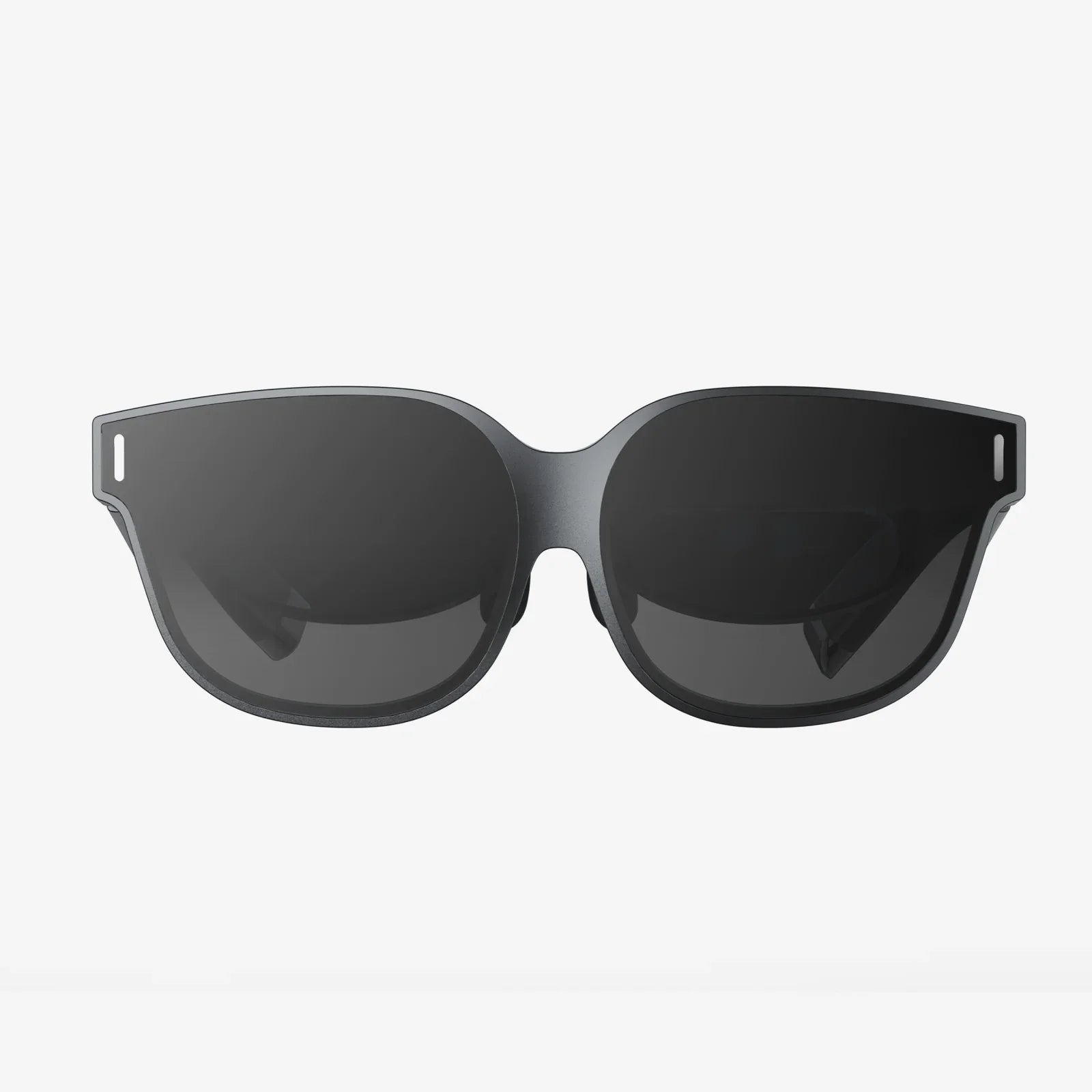
You hold a powerful, high-resolution screen in your pocket every day, a device capable of stunning graphics and immersive experiences. The tantalizing question arises: can this familiar slab of glass and metal be your portal to other worlds? Is the promise of virtual reality, once the domain of expensive, dedicated hardware, now accessible with a simple, affordable headset attachment? The allure is undeniable—transform your iPhone into a gateway for gaming, travel, and education. But does the reality live up to the dream, or is it a compromised experience that fails to justify the investment? Let's peel back the layers of marketing hype and user reviews to uncover the genuine value of iPhone-based VR.
The Foundation: Understanding iPhone-Powered VR
Before assessing its worth, it's crucial to understand what we're discussing. iPhone VR, often termed mobile VR, utilizes a head-mounted display (HMD) that acts as a housing for your smartphone. The iPhone itself provides the all-important components: the high-pixel-density screen, the powerful processor (the A-series chips), the motion sensors (gyroscope, accelerometer), and often the cameras for positional tracking. The headset's role is to split the screen for stereoscopic 3D, provide lenses to focus your eyes on the close-up display, and offer a comfortable, light-blocking enclosure. This is a fundamentally different approach from standalone VR systems, which have all the necessary hardware built into a single, self-contained unit, and PC-powered systems, which are tethered to a high-end computer for maximum graphical fidelity.
The range of headsets available for iPhone varies dramatically. On one end, you have simple, low-cost viewers made primarily from cardboard or plastic, offering a basic introduction to VR. On the other, more advanced headsets include features like improved lenses, built-in headphones, and, most importantly, positional tracking. This advanced tracking uses the iPhone's cameras to map your physical space, allowing you to lean, dodge, and move around within a virtual environment, a feature that significantly enhances immersion compared to the static 3D viewing experience of basic models.
The Case For: Arguments That Make iPhone VR Worth Considering
Unbeatable Accessibility and Low Entry Cost
The single most compelling argument for iPhone VR is its accessibility. For millions of iPhone users, the most significant and expensive component—the high-quality display and computer—is already owned. The barrier to entry is not a $400+ dedicated headset but rather a much more affordable accessory, with many capable options available for a fraction of the price. This allows curious individuals to dip their toes into the waters of virtual reality without a major financial commitment. It's an ideal solution for someone who wants to experience 360-degree videos, try out some simple games, or showcase VR to friends and family without a hefty upfront investment.
Leveraging a Known and Powerful Ecosystem
Modern iPhones are technological marvels. Their Super Retina and ProMotion displays offer crisp, high-resolution imagery that is essential for a good VR experience, reducing the "screen-door effect" where users can see the gaps between pixels. The A-series Bionic chips are incredibly powerful mobile processors, capable of rendering complex environments and maintaining the high frame rates (ideally 90Hz or higher) necessary to prevent motion sickness and ensure visual comfort. By leveraging hardware you already own and trust, you're effectively getting a high-performance VR engine without buying it separately.
A Rich and Diverse Content Library
The App Store hosts a vast array of VR content designed specifically for mobile use. This includes breathtaking 360-degree videos and documentaries that can transport you to the summit of Mount Everest, the depths of the ocean, or the surface of Mars. Educational apps allow for immersive learning, letting students explore the human body or ancient historical sites. There is also a healthy selection of games, from casual experiences to more involved titles. Furthermore, many services offer VR apps for viewing your own 360-degree photos and videos, making it a great tool for creators.
Portability and Convenience
A dedicated VR system, while powerful, is another piece of hardware to manage, charge, and transport. An iPhone VR setup is inherently more portable. The headset itself is typically lightweight and collapsible, and your "computer" remains your phone. This makes it easy to take your VR experiences on the go, to a friend's house, or on vacation, something that is far less convenient with bulkier, more complex systems.
The Case Against: Significant Limitations and Drawbacks
Technical Compromises and Performance Ceilings
Despite the power of the iPhone, mobile VR is inherently a compromised experience. The phone is not designed to run high-fidelity VR applications for extended periods, leading to significant heat generation and rapid battery drain. This thermal throttling can cause the processor to slow down, resulting in dropped frame rates and a jarring, nausea-inducing experience. Furthermore, even the best mobile headsets struggle to match the field of view (FOV) of dedicated systems, often feeling like you're looking through binoculars rather than being fully immersed.
Perhaps the biggest differentiator is the lack of sophisticated, dedicated controllers. While some iPhone VR systems offer basic Bluetooth controllers, they are a far cry from the advanced, motion-tracked controllers standard with other platforms. These controllers are essential for intuitive interaction within VR—grabbing, throwing, pointing, and manipulating objects with your virtual hands. Their absence limits the depth of gameplay and interaction, keeping most experiences relatively passive.
The Content Gap: Mobile vs. High-End VR
While the App Store has content, it lacks the deep, expansive titles that define high-end VR. You won't find massive, AAA games with dozens of hours of gameplay, intricate social worlds, or professional-grade creative tools on mobile. The experiences are often shorter, simpler, and graphically less impressive. The ecosystem for advanced VR is on other platforms, and this content gap is a major consideration for anyone looking for more than a novelty.
Potential for Discomfort and the "Hassle Factor"
Setting up mobile VR can be a friction-filled process. You must carefully insert your phone into the headset, ensure it's centered to avoid blurriness, connect a controller, and launch the app. Any notification, phone call, or message will disrupt the experience. This "hassle factor" often means the headset gathers dust because the effort to start a session feels too high compared to the convenience of just using the phone normally. Additionally, without perfect calibration and high frame rates, the experience can be uncomfortable for many users, leading to eyestrain, headaches, or motion sickness.
Key Factors That Determine the Answer for You
The question "is it worth it?" is deeply personal and hinges on several factors:
- Your iPhone Model: An iPhone 16 Pro Max is a far more capable VR machine than an iPhone 11. Older models will struggle with performance and display quality.
- Your VR Goals: Are you seeking a curated, short-form experience (360 videos, virtual tours) or are you hoping for deep, interactive gaming?
- Your Budget: Are you looking for a $20 viewer or a $200 advanced headset with tracking? The value proposition changes dramatically with the price.
- Your Technical Patience: Are you comfortable with occasional setup hiccups, calibration, and troubleshooting?
Looking Ahead: The Future of Apple and VR/AR
It's impossible to discuss iPhone VR without acknowledging the elephant in the room: Apple's own dedicated headset. This device represents the company's vision for spatial computing and is a world apart from phone-powered VR. Its existence signals a future where Apple's focus for high-end immersion lies with dedicated hardware, not the iPhone. However, it also catalyzes the broader ecosystem. Development for spatial experiences will increase, and some of that innovation may trickle down to more accessible, iPhone-powered applications, potentially breathing new life into the platform.
Ultimately, the trajectory seems to be moving away from smartphone-dependent VR. The industry has largely consolidated around the standalone model, which offers a superior, more consistent, and hassle-free user experience. While iPhone VR served as a crucial stepping stone in popularizing the technology, its long-term relevance is uncertain in a market increasingly dominated by all-in-one devices.
So, should you take the plunge? If you already own a recent iPhone and your curiosity about VR is burning, a budget-friendly headset can provide hours of fascinating entertainment and wonder. It's a fantastic toy for experiencing new perspectives and sharing those moments with others. But if you're a discerning enthusiast seeking the true, transformative potential of virtual reality—the kind with deeply interactive games, social spaces, and mind-blowing immersion—you will likely find iPhone VR to be a tantalizing but ultimately unsatisfying preview. The experience it offers is a compelling demo, a glimpse into a future that is more fully realized on other, more dedicated hardware. The journey into virtual reality is incredible, but the best trips require the right vehicle.
Share:
VR Headset Startup: The Next Frontier in Immersive Technology and Market Disruption
Best VR for iPhone 12: The Ultimate Guide to Immersive Mobile Experiences