


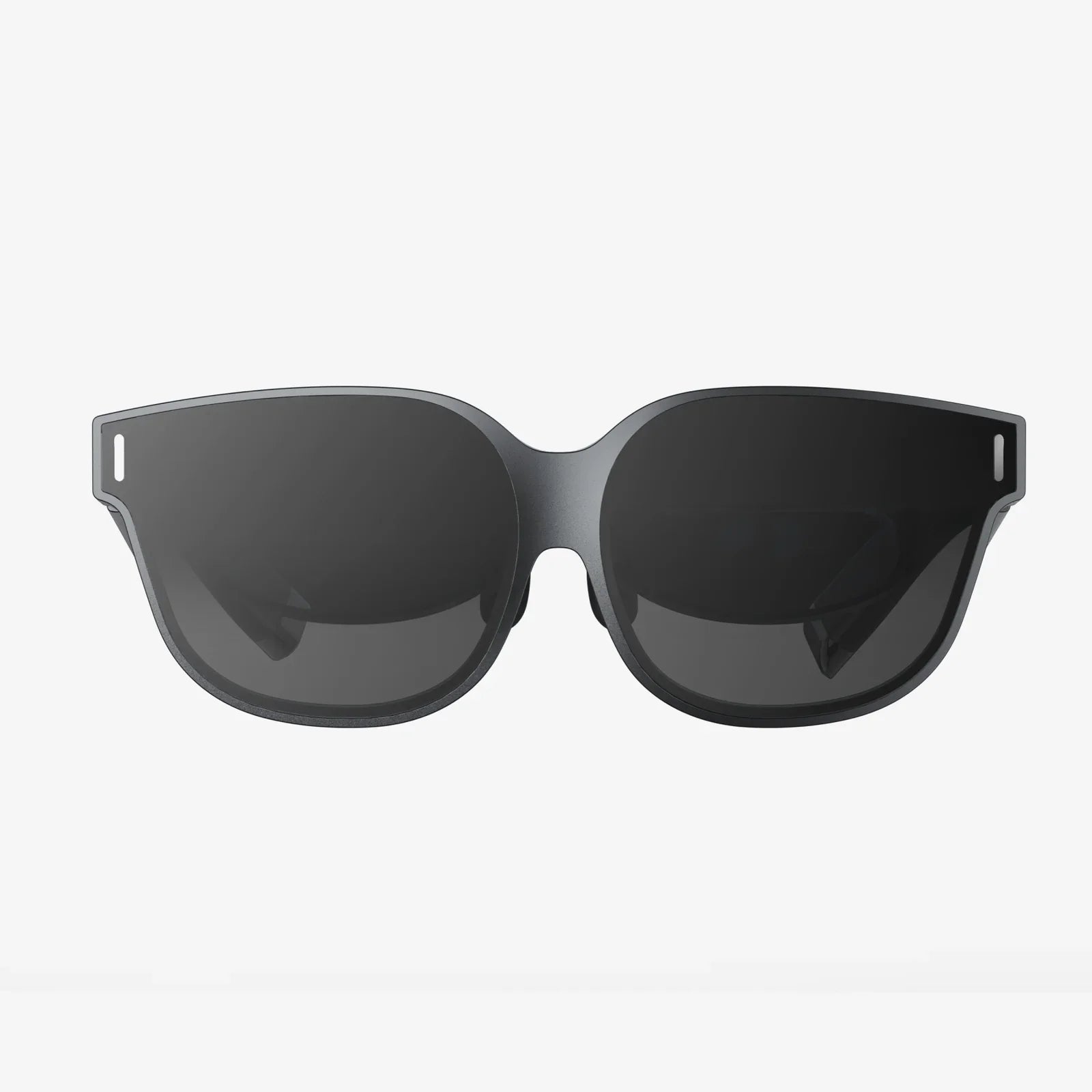
Imagine slipping on a visor and stepping into a world indistinguishable from reality, where the boundaries between the digital and the physical not only blur but vanish entirely. This is the promise held by the latest PC VR headset 2025 models, a promise that is no longer confined to the realms of science fiction. The buzz surrounding this new generation of hardware is palpable, not just among hardcore enthusiasts but across the tech world, signaling a pivotal moment where virtual reality transitions from a compelling novelty to an essential component of modern computing. The question is no longer if you will own a headset, but how this technology will reshape your work, play, and connection to the digital universe. The future is here, and it's waiting to be explored.
The Display Revolution: Beyond Resolution
For years, the pursuit of higher resolution was the primary battleground for headset manufacturers. The latest PC VR headset 2025 releases have decisively won that war, but they've also moved the goalposts entirely. We are now witnessing the widespread adoption of micro-OLED and advanced mini-LED displays that deliver staggering pixel densities, effectively eliminating the screen-door effect that once reminded users they were looking at a screen.
However, resolution is just the beginning. The true leap forward lies in dynamic focal technology and high dynamic range (HDR). These headsets now feature eye-tracking systems so advanced they can adjust the focal plane of the virtual scene in real-time based on where your eyes are looking. This mimics the natural behavior of human vision, where we focus on near or far objects, dramatically reducing the vergence-accommodation conflict that has been a primary source of eye strain and simulator sickness for a decade.
Furthermore, the implementation of true HDR with exceptional peak brightness and deep, inky blacks creates a visual fidelity that was previously unimaginable. Sunlight glinting off a virtual sword, the subtle glow of a neon sign in a rainy cyberpunk alley, or the warm light of a virtual campfire now feel tangible and real. The display is no longer a window into a world; it is the world.
The Architecture of Immersion: Inside-Out Tracking and Haptics
The cumbersome external sensors of previous generations are now firmly a relic of the past. The latest PC VR headset 2025 models rely on a sophisticated array of high-resolution cameras, LiDAR, and depth sensors to map their environment with millimeter precision. This inside-out tracking is so robust and low-latency that it feels like magic, allowing for seamless room-scale experiences in any appropriately cleared space without a single external box.
But immersion is more than just visual and spatial; it is tactile. This is where haptic feedback has made a monumental jump. Advanced actuators embedded in the headstrap itself can simulate everything from the rumble of a distant explosion to the subtle sensation of wind or rain. This direct cranial haptic feedback adds a powerful, often subconscious, layer to the experience, anchoring you firmly within the virtual environment.
The Nerve Center: Processing Power and Connectivity
Driving these hyper-realistic experiences requires immense computational power. While the headsets themselves are more streamlined than ever, they are designed to work in concert with high-performance computing systems. The connection between headset and PC has been revolutionized with a shift towards a new generation of wireless protocols and dedicated high-bandwidth dongles that offer latency and visual quality indistinguishable from a wired connection.
This wireless freedom is paramount to immersion. Users are no longer tethered by a cable, removing the constant subconscious awareness of the physical world. For those demanding the absolute utmost in visual fidelity for professional applications, a single streamlined fiber-optic cable remains an option, providing breathtaking data throughput. The latest PC VR headset 2025 is designed to be your portal into demanding virtual worlds, whether you're a competitive gamer requiring split-second reactions or a designer manipulating complex 3D models.
Beyond Controllers: The Rise of Natural Input
While updated motion controllers with enhanced haptics and ergonomics are still included and better than ever, the most exciting development is the move towards natural input. The onboard cameras are now capable of ultra-precise hand-tracking, allowing users to manipulate virtual objects with their bare hands. Pinching, grabbing, pushing, and gesturing feel intuitive and responsive.
This technology is complemented by emerging EMG (electromyography) wristbands that can detect subtle neuromuscular signals, allowing for even more nuanced control and the potential for force feedback without a physical object to hold. This shift is crucial for the technology's expansion beyond gaming into productivity, social spaces, and creative applications, where the learning curve of traditional controllers was often a barrier to entry.
The Sensor Suite: From Headset to Health and Wellness Device
Perhaps the most surprising evolution of the latest PC VR headset 2025 is its role as a biometric monitoring platform. The same high-fidelity eye-tracking used for foveated rendering and dynamic focus is now being leveraged to measure cognitive load and engagement. Sophisticated sensors can detect pupil dilation, blink rate, and even offer basic pulse readings.
This data has profound applications. In enterprise training simulations, it can be used to assess a user's focus and stress levels. In therapeutic applications, it can help guide exposure therapy for anxiety disorders. For the everyday user, it could power wellness applications that guide meditation by monitoring physiological state. The headset is evolving from a simple display device into an interactive window into the user's own mind and body.
A Platform for Everyone: Gaming, Productivity, and the Metaverse
The impact of these technological leaps is felt across every application. In gaming, developers are crafting experiences that were previously impossible—worlds with unparalleled visual depth, physics-based interactions that feel genuine, and narratives that respond to your gaze and emotional state. The line between playing a game and living a story is dissolving.
In productivity, the latest PC VR headset 2025 is becoming a legitimate replacement for multi-monitor setups. Virtual workspaces are vast, customizable, and free from physical constraints. Architects walk clients through full-scale models of unbuilt homes, engineers collaborate on 3D prototypes from across the globe, and medical students practice complex procedures on virtual patients with life-like fidelity.
This all feeds into the continued, albeit more pragmatic, development of persistent online social spaces—the metaverse. These headsets provide the first hardware capable of delivering the rich, expressive, and interconnected experiences that the concept demands. Realistic avatars driven by facial and eye-tracking enable genuine social presence, making digital interactions feel meaningful and human.
Challenges and Considerations on the Horizon
Despite the incredible progress, challenges remain. The computational requirements for pushing these headsets to their limit are significant, necessitating powerful and expensive graphics hardware. While inside-out tracking is brilliant, it raises valid questions about data privacy, as these devices are constantly scanning and interpreting our personal spaces.
Furthermore, the industry must continue to grapple with creating comfortable, accessible, and aesthetically pleasing designs that people will want to wear for extended periods. The latest PC VR headset 2025 models are lighter and better balanced, but the quest for the perfect form factor continues. Finally, the cost of this cutting-edge technology, while reflective of its capabilities, remains a barrier for mainstream adoption that will need to be addressed in the coming years.
The sheer transformative power of the latest PC VR headset 2025 generation cannot be overstated. We are standing at the precipice of a new computing paradigm, one where our digital and physical realities are not separate entities but a continuous spectrum of experience. This isn't just about better games or novel ways to view a spreadsheet; it's about fundamentally expanding the human experience. The tools to build, explore, and connect in ways we've only dreamed of are now on the market, waiting for visionaries to unlock their full potential. The door is open; all you have to do is step through.
Share:
Best High End VR Headset for PC: The Ultimate Immersive Experience
Things You Can Do With a VR Headset: Beyond Gaming