


Remember the clunky, low-resolution virtual reality headsets of a decade ago? Forget them. The year 2025 is not merely an iteration; it is a revolution, a fundamental rewriting of what it means to step into a digital world. The latest VR headset news of 2025 heralds a new era where the line between our physical reality and boundless digital frontiers is not just blurred—it's often indistinguishable. This is the year VR truly grows up, shedding its gaming-centric skin to become a ubiquitous platform for work, connection, and human experience.
The Resolution Revolution: Beyond the Screen Door Effect
For years, the dreaded "screen door effect"—the visible grid of lines between pixels—was the persistent ghost in the machine, a constant reminder of the digital artifice. In 2025, that ghost has been exorcised. The leading headline in the latest VR headset news is the widespread commercial adoption of micro-OLED and novel laser-scanning LCoS (Liquid Crystal on Silicon) displays, pushing pixel densities to previously unimaginable heights.
We are now seeing headsets boasting per-eye resolutions exceeding 4K, with some flagship models touting 8K total resolution. But the magic isn't just in the number of pixels; it's in their density and how they are rendered. With pixel densities soaring beyond 35 pixels per degree (PPD), the human eye can no longer discern individual pixels at a normal viewing distance. The result is a visual fidelity that rivals high-end monitors. Text is razor-sharp, making productivity a genuine pleasure. Virtual environments, from photorealistic real-world scans to fantastical alien landscapes, are rendered with a stunning clarity that fosters unprecedented levels of presence—the feeling of truly "being there."
This leap is powered by a symbiotic relationship between hardware and software. Foveated rendering, now a standard and highly refined technology, uses internal headset cameras to track the user's pupils with microscopic precision. The headset renders only the tiny central area of your gaze in full, ultra-high resolution, while the peripheral vision is rendered at a lower, more efficient resolution. This massive reduction in computational load allows even standalone headsets to drive these incredible displays without the need for a tethered external computer, a feat considered impossible just a few years ago.
The Form Factor Frontier: From Face Computer to Everyday Eyewear
If the displays are the soul of the 2025 VR revolution, then the new form factors are its body—and what a transformation it has undergone. The archetype of the bulky, front-heavy helmet is rapidly receding into history. The latest VR headset news is dominated by sleek, compact designs that prioritize comfort for extended use.
Manufacturers have embraced a split-rendering architecture. The visor itself is now remarkably lightweight, often weighing less than 300 grams, and houses only the essential components: the advanced displays, precise tracking cameras, and a minimal compute unit for sensor fusion and data processing. The heavier battery and the bulk of the processing power have been offloaded. Some designs utilize a small, puck-sized compute pack that can be clipped to a belt or pocket, connected via a slim, high-bandwidth cable. Others have moved to a more elegant solution: a partnership with your smartphone.
High-end smartphones in 2025 possess more than enough processing grunt to act as the engine for these streamlined headsets. You simply dock your phone into a dedicated slot on the headset, and it becomes the brain, leveraging its powerful chipset, connectivity, and battery. This approach not only slashes the cost and weight of the headset but also ensures the technology inside evolves at the pace of the smartphone market, not the slower VR hardware cycle.
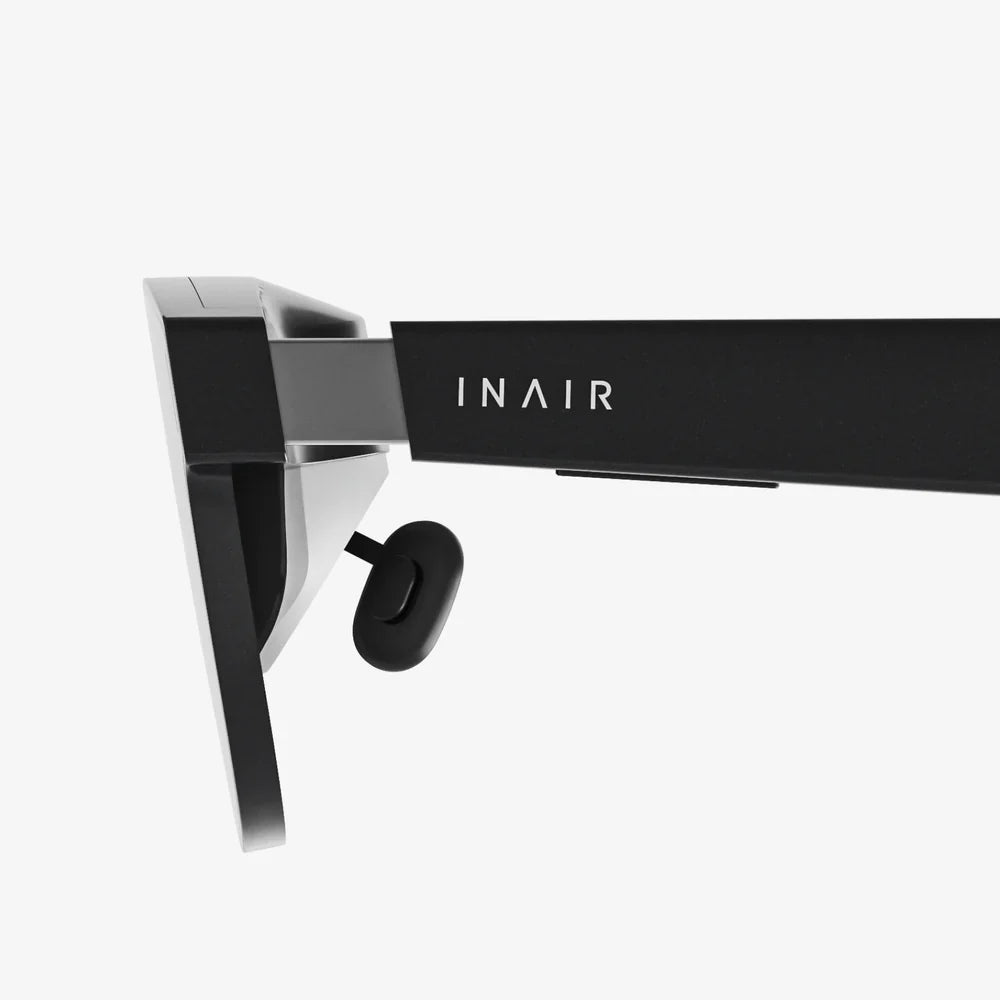
The ultimate expression of this trend is the emergence of true mixed reality glasses. While not yet displacing dedicated VR units for deep immersion, several new entrants in the market are offering sunglasses-style form factors that can switch between a transparent AR mode and an opaque, immersive VR mode with electrochromic lenses. This represents a significant step towards the holy grail: a single, all-day wearable device for both augmented and virtual reality.
The AI Co-Pilot: Personalizing the Virtual Experience
Hardware is only half the story. The most profound shift in the latest VR headset news is the deep, system-level integration of on-device artificial intelligence. These are no longer dumb displays; they are intelligent systems that perceive, learn, and adapt to the user.
Powered by dedicated Neural Processing Units (NPUs) within the headset's chipset, AI now handles a multitude of tasks in real-time:
- Enhanced Passthrough: The standard video passthrough of previous generations was often grainy and laggy. AI now applies real-time computational photography, denoising, and depth understanding to create a crystal-clear, low-latency view of your physical surroundings. It can dynamically identify surfaces, objects, and people, allowing for seamless blending of physical and virtual objects.
- Avatar Animation: The uncanny valley is finally being crossed. Inside-out cameras track your eyes, face, and body language with stunning accuracy. On-device AI translates this data into nuanced, emotionally expressive avatars in real-time, making social interactions in virtual spaces feel genuinely human. A raised eyebrow, a subtle smirk, or a glance away is captured and replicated, conveying meaning beyond words.
- Performance and Accessibility: AI dynamically manages system resources based on the application being used, maximizing battery life and minimizing heat. It also powers new accessibility features, such as real-time language translation subtitles in social apps, environmental sound amplification for those with hearing impairments, and personalized comfort settings that can reduce motion sickness for sensitive users.
The Content Catalyst: Experiences Worthy of the Hardware
Such a monumental hardware leap would be wasted without software to match. The ecosystem in 2025 is flourishing, driven by these more capable and accessible devices. The content landscape has expanded far beyond gaming into three dominant pillars:
- The Spatial Workplace: Remote work has been permanently transformed. Virtual offices are now persistent, customizable spaces where colleagues from across the globe can collaborate as if they were in the same room. Whiteboards are infinite, 3D models can be manipulated with your hands, and shared documents float in the space between you. The sense of shared presence drastically improves communication and ideation compared to flat video calls.
- Social & Live Events: Major concerts, sporting events, and conferences now offer virtual attendance tickets. You are no longer a passive viewer on a screen; you are in the front row of a stadium or on stage next to the performer, able to turn and chat with the avatar of another fan sitting next to you. Social platforms have evolved into sprawling, user-generated "metaverses"—distinct digital cityscapes dedicated to entertainment, education, and commerce.
- Immersive Narrative & Fitness: Storytelling has been reborn. Interactive films and narrative experiences place you inside the story, making you an active participant. Fitness has also seen a massive boom, with AI-powered trainers guiding you through dynamic virtual environments, adapting workouts in real-time based on your form and fatigue levels.
Market Dynamics and The Road Ahead
The latest VR headset news isn't just about technology; it's about market maturation. The industry has consolidated around a few key platforms with robust ecosystems, while still allowing for innovative newcomers to challenge the status quo. A significant trend is the bifurcation of the market into two clear segments: ultra-high-end professional devices for architects, engineers, and medical professionals, and affordable, mainstream consumer devices focused on social and entertainment experiences.
Connectivity is also taking a leap forward. The widespread rollout of Wi-Fi 7 and advanced 5G/6G networks enables high-fidelity cloud streaming of VR experiences. This "VR-on-demand" model means the most graphically intense applications can be run on powerful remote servers and streamed to even the most lightweight headsets, effectively making high-end VR accessible to anyone with a good internet connection.
Of course, challenges remain. Questions about data privacy, given the intimate biometric data these headsets collect, are at the forefront of regulatory discussions. Establishing open standards for interoperability between different virtual worlds and social platforms is crucial to avoid walled gardens. And finally, the industry must continue its work on mitigating simulation sickness for the entire population.
The whispers from R&D labs point to an even more integrated future: neural interfaces for haptic feedback beyond the controllers, holographic displays that project light directly onto the retina, and even more profound AI integration that will anticipate your needs before you're aware of them. The journey is just beginning. The headsets of 2025 are the first true portals to a future where our digital and physical lives are not separate realities, but a continuous, seamless spectrum of human experience, limited only by our imagination.
Share:
Wireless Headphones for Glasses Wearers: The Ultimate Guide to Uncompromised Comfort and Audio
Cheap VR Headset with Controllers for PC: Your Ultimate Guide to Affordable Immersion