


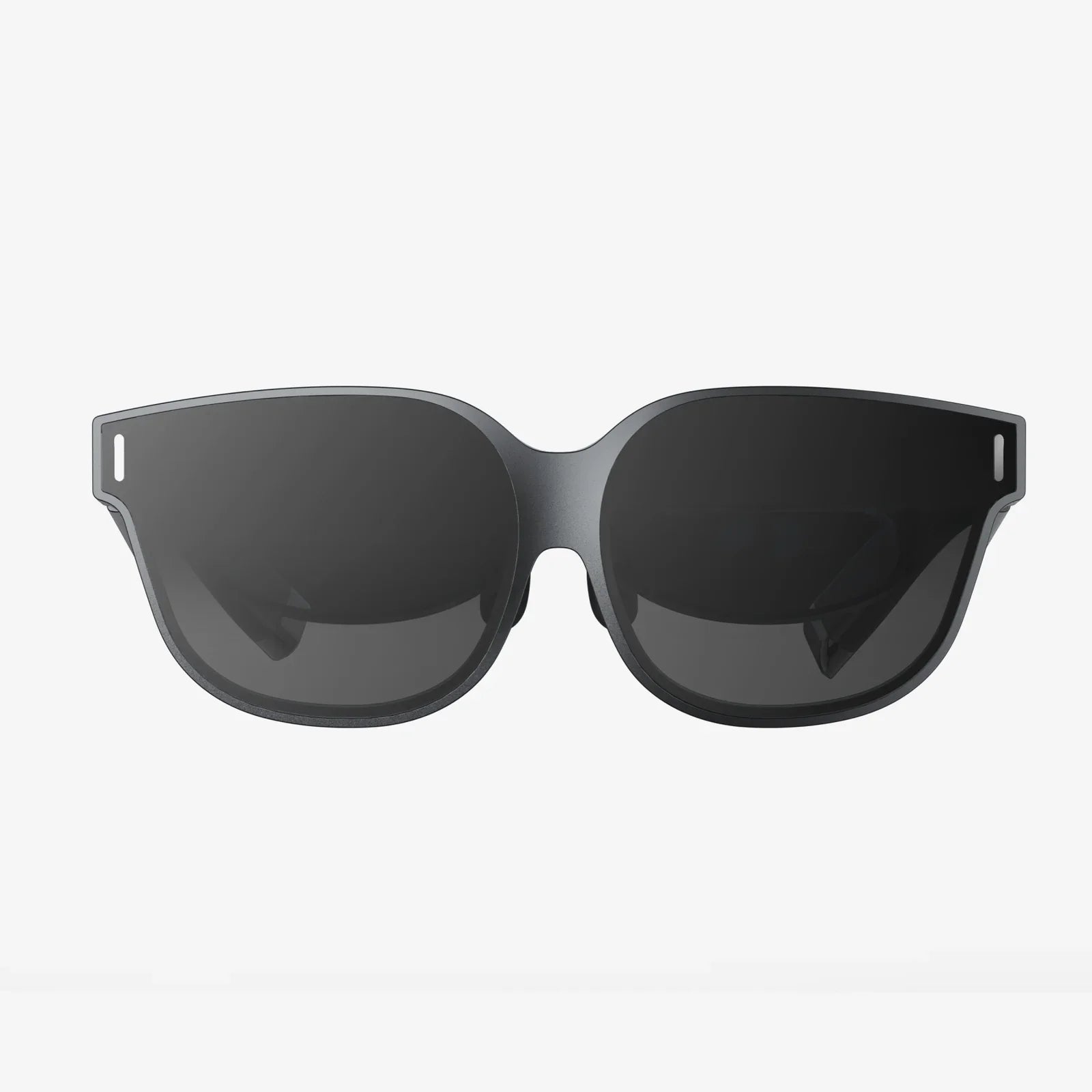
Imagine slipping on a device, no bulkier than a pair of swimming goggles, and being instantly transported to a concert front row, a strategic war room, or a surgeon’s operating theater with a clarity that tricks your brain into believing it’s all real. This is no longer the stuff of science fiction; it is the tangible, exhilarating promise of the latest VR headset technology. The industry has moved beyond its clunky, niche beginnings, entering a golden age of innovation where breakthroughs in optics, processing, and user interaction are converging to redefine the very nature of reality itself. The future of immersion is here, and it’s more sophisticated than you ever dreamed.
The Optical Revolution: Seeing is Believing
For years, the physical design of VR headsets was constrained by the limitations of Fresnel lenses. While effective for their time, these lenses were responsible for much of the bulk, the notorious "god rays," and the limited "sweet spot" of early devices. The latest VR headset technology has overwhelmingly embraced a new standard: pancake lenses.
This ingenious optical design works by folding the light path between the display panel and the user’s eyes multiple times using a series of polarized lenses. This allows for a dramatically shorter focal distance, slashing the required space between the display and the lens. The result is a form factor that is significantly thinner, lighter, and more comfortable for extended use. Beyond the physical benefits, pancake lenses offer a vastly improved visual experience. They provide a much larger sweet spot, edge-to-edge clarity, and a drastic reduction in visual artifacts like glare and chromatic aberration, making the virtual world appear sharper and more consistent.
Beyond Resolution: The Pursuit of Visual Fidelity
While higher-resolution displays are a given in each new generation, the latest VR headset technology understands that pixel count is only one part of the visual fidelity equation. True immersion is achieved through a combination of factors that mimic human vision.
- High Pixel Density (PPI) & Advanced Displays: Modern micro-OLED displays are becoming the premium standard, offering exceptional pixel density, perfect blacks, and vibrant colors. This eliminates the "screen door effect" once and for all and creates incredibly rich, contrasty images. Furthermore, the move to mini-LED backlighting in LCD-based headsets allows for superior local dimming, dramatically improving contrast ratios.
- Wider Field of View (FoV): A narrow FoV feels like looking through binoculars, constantly reminding you that you are in a headset. The latest developments are pushing FoV boundaries beyond 110 degrees and toward 150 degrees or more, creating a more natural and encompassing peripheral view that is crucial for presence.
- High Dynamic Range (HDR): The integration of HDR is a game-changer. By enabling a much broader range of luminosity—from the deepest shadows to the brightest specular highlights—HDR adds a layer of realism that standard dynamic range simply cannot match. A virtual sun feels genuinely bright; a dark corridor feels truly ominous.
The Brain Behind the Operation: Processing Power and Haptics
A stunning visual display is meaningless without the immense processing power to drive it. The latest standalone VR headsets are essentially high-performance computers strapped to your face. They are equipped with custom-built Systems-on-a-Chip (SoCs) that rival mobile gaming consoles, capable of rendering complex, physics-driven environments at high frame rates (90Hz and beyond) to ensure smooth, comfortable gameplay and prevent motion sickness.
This onboard processing is also responsible for the most critical technological leap: inside-out tracking. Using a constellation of high-resolution cameras and sophisticated algorithms, the headset maps its environment in real-time, understanding its position and orientation without the need for external base stations. This not only simplifies setup but also enables the next frontier: Mixed Reality (MR). By fusing the virtual and the real, these cameras allow digital objects to interact with your physical space. You can have a virtual monitor anchored to your real wall or see digital creatures hiding behind your actual sofa, all thanks to advanced computer vision and environmental understanding.
Furthermore, processing power is extending beyond visuals to touch. Advanced haptic feedback is evolving from simple controller rumble to nuanced, localized sensations. New controllers can simulate the tension of drawing a bowstring, the recoil of a weapon, or the texture of a virtual object. The ultimate goal is haptic gloves or even full-body suits, providing tactile feedback that completes the sensory illusion.
The Window to the Soul: Eye-Tracking and Foveated Rendering
Perhaps the most transformative advancement in the latest VR headset technology is the integration of high-fidelity eye-tracking. Using invisible infrared lights and cameras, the headset can precisely pinpoint where your eyes are looking at any given moment.
This capability unlocks two monumental features:
- Dynamic Foveated Rendering: The human eye only sees in high detail in a very small central area called the fovea. Eye-tracking allows the headset’s rendering engine to intelligently allocate resources. It renders the exact spot you are looking at in full, ultra-sharp resolution, while dynamically reducing the rendering quality in your peripheral vision—areas where you wouldn’t notice the difference. This massive reduction in GPU workload allows for either drastically improved visual complexity on existing hardware or much longer battery life, all without any perceptible loss in quality for the user.
- Social Presence and Avatars: Eye-tracking is the key to breaking the "uncanny valley" in social VR. It enables avatars to make natural, lifelike eye contact, blink, and convey non-verbal cues that are essential for human connection. This is critical for enterprise applications like virtual meetings and remote collaboration, where reading a colleague’s gaze and intent is paramount.
Varifocal Displays: Solving the Age-Old Vergence-Accommodation Conflict
One of the most persistent physiological barriers to total immersion has been the Vergence-Accommodation Conflict (VAC). In the real world, your eyes converge (cross or uncross) and their lenses accommodate (change focus) in tandem when looking at objects at different distances. In traditional VR, the display is at a fixed focal distance (usually 1.5-2 meters), forcing your eyes to converge on a virtual object but never change focus. This disconnect is a primary cause of eye strain and visual fatigue.
The latest VR headset technology is tackling this problem head-on with varifocal displays. These are systems that physically or electronically adjust the focal plane of the display to match the depth of the virtual object you are looking at. Using eye-tracking data to determine your gaze depth, the system can shift the focus, prompting your eyes to accommodate naturally. This not only eliminates a major source of discomfort but also adds a profound new layer of depth realism, making virtual objects feel truly solid and present in space.
Connectivity and the Wireless Future
The tether has long been the chain holding back VR’s freedom. While standalone headsets offer untethered convenience, they are ultimately constrained by mobile-level processing power. The latest technology bridges this gap through high-speed wireless connectivity. Using advanced protocols like Wi-Fi 6E and dedicated wireless adapters, PC-powered VR headsets can now receive high-fidelity, low-latency video streams wirelessly from a nearby gaming PC. This provides users with the full graphical fidelity of a desktop GPU combined with the complete freedom of movement of a standalone device, representing the best of both worlds.
The Road Ahead: Challenges and the Metaverse
Despite the incredible progress, challenges remain. Battery life for feature-rich standalone headsets is still a limiting factor for extended sessions. Creating truly photorealistic avatars that can express the full range of human emotion in real-time requires even more sophisticated facial and eye-tracking. Furthermore, the development of a comfortable, consumer-ready form factor like sunglasses is still on the horizon, dependent on further miniaturization of components and breakthroughs in optics and batteries.
These advancements are not happening in a vacuum; they are the foundational pillars for the much-hyped concept of the metaverse. The latest VR headset technology is the hardware gateway to these persistent, shared virtual spaces. The sense of presence enabled by these technologies—true social connection via expressive avatars, the tactile feedback of haptics, and the visual fidelity that mimics reality—is what will make the metaverse feel like a tangible place rather than just a fancy video game.
The boundary between our physical reality and the digital realms we create is dissolving at an astonishing pace. With every reduction in size, every uptick in processing power, and every new method of interaction, the latest VR headset technology is not just building a better gadget; it is meticulously engineering a new layer of human experience, offering a glimpse into a future where the only limit is the imagination.
Share:
Best VR Headset to Buy in India: Your Ultimate 2024 Immersive Tech Guide
Best VR Headset to Buy in India: Your Ultimate 2024 Immersive Tech Guide