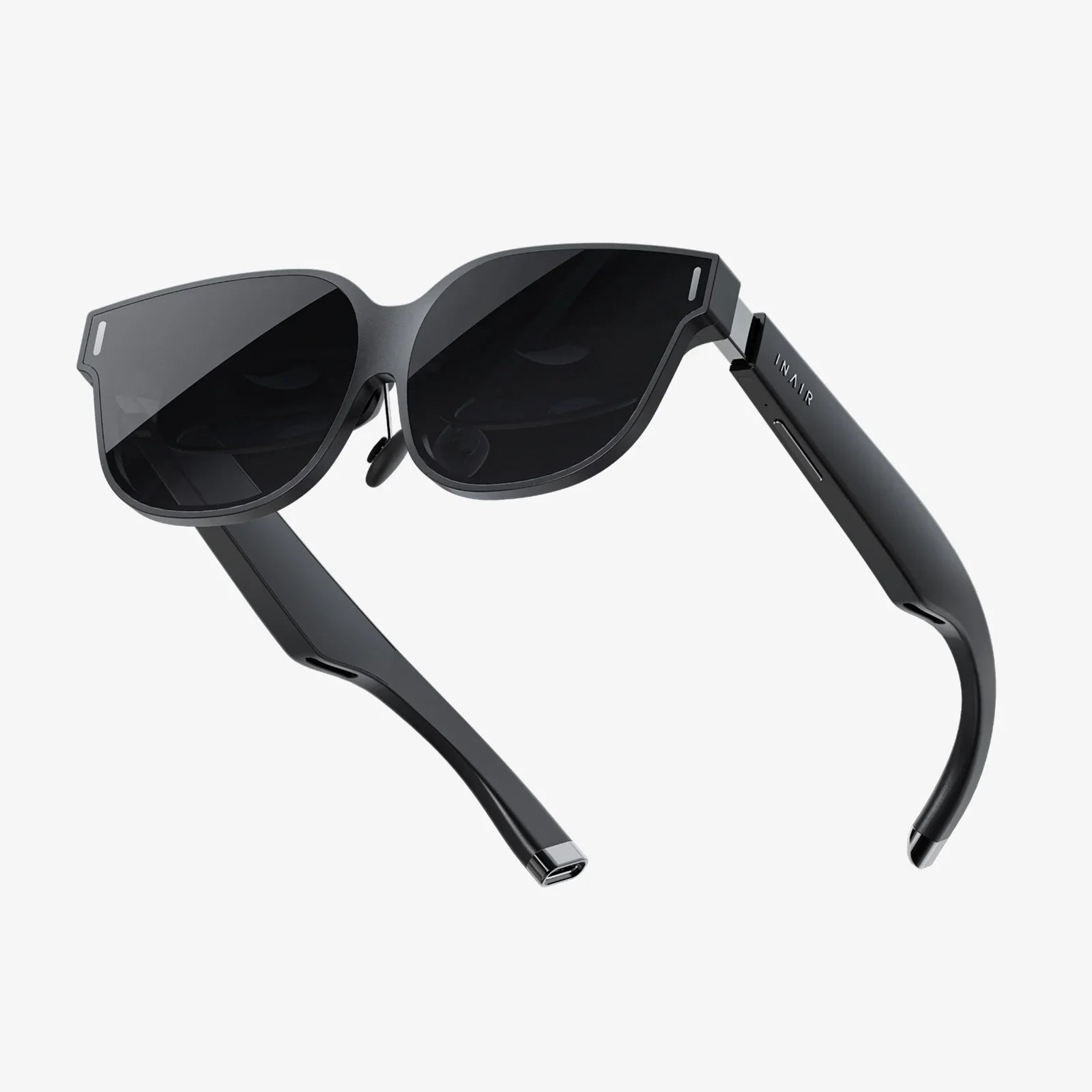
Remember when a wearable device was little more than a digital pedometer strapped to your wrist? Those days are a distant memory. The latest generation of wearable devices represents not just an evolution, but a full-blown revolution in personal technology. We are rapidly moving beyond the wrist, beyond simple metrics, and into an era where these devices are becoming intelligent, integrated, and indispensable partners in managing our health, productivity, and connection to the world around us. This is no longer about counting steps; it's about gaining profound, actionable insights into the most complex system we know—the human body.
The New Vanguard: More Than Just a Wristwatch
The most exciting development in the latest wearable devices is the explosion of form factors. While the smartwatch remains the dominant category, innovation is flourishing elsewhere, catering to diverse preferences and specialized needs.
Smart Rings: Discreet Powerhouses
Once a niche product, smart rings have surged in popularity. Their appeal lies in their minimalism and continuous wearability. You can sleep, shower, and live your life without the bulk of a watch, enabling truly uninterrupted data collection. The latest iterations are packing impressive technology into their tiny frames, including:
-
Advanced Sleep Tracking: Utilizing accelerometers and optical heart rate sensors, they provide detailed analysis of sleep stages (light, deep, REM), sleep latency, and nighttime movement, offering a more complete picture of sleep quality than many wrist-based devices.
-
Body Temperature Monitoring: Continuous basal body temperature tracking is a game-changer, particularly for women's health, providing data for fertility awareness and cycle tracking.
-
NFC Payments and Control: Despite their size, many smart rings now include NFC chips, allowing users to make contactless payments or control smart home devices with a wave of the hand.
Hearables: The Sound of Intelligence
Earbuds have graduated from simply playing music to becoming sophisticated wearable computers for your ears. The latest hearables are equipped with sensors that transform them into health and environmental hubs.
-
Integrated Heart Rate Sensors: By measuring blood flow in the ear canal—a surprisingly stable location—they can provide accurate heart rate data during workouts, often with less motion artifact than wrist-based sensors.
-
Posture Alerts and Motion Detection: Built-in accelerometers can detect if you've been slouching at your desk for too long and prompt you to straighten up, combating the negative effects of a sedentary lifestyle.
-
Advanced Noise Control: Using external microphones and AI, they can dynamically adapt to your environment, amplifying conversations while dampening background noise on a city street, enhancing both situational awareness and auditory health.
Smart Clothing: The Invisible Interface
The concept of wearable technology is becoming literal with smart clothing. Fabrics are now woven with conductive threads and micro-sensors, creating a seamless and invisible health monitoring system. This allows for data collection from large areas of the body, providing insights that a single-point device on the wrist cannot:
-
Electrocardiogram (ECG) Readings: Shirts with embedded electrodes can provide clinical-grade ECG data, monitoring heart rhythm over extended periods to detect irregularities like atrial fibrillation.
-
Muscle Activity and Form Analysis: For athletes, smart leggings or shirts can analyze muscle activation, running form, and posture during exercise, offering real-time feedback to optimize performance and prevent injury.
-
Respiratory Rate Monitoring: By measuring the expansion and contraction of the chest, these garments can track breathing patterns with high accuracy, a key metric for both athletic training and stress management.
The Technology Powering the Revolution
This diversification of form factors is only possible because of breathtaking advancements in the underlying technology. The latest wearable devices are feats of micro-engineering, cramming powerful capabilities into smaller, more efficient packages.
Biosensing Breakthroughs
The holy grail of wearable technology has long been non-invasive, continuous biomarker monitoring. We are now on the cusp of this reality. Beyond optical heart rate monitors, researchers and developers are pioneering new methods:
-
Electrodermal Activity (EDA) Sensors: These measure minute changes in the skin's electrical conductivity, which fluctuate with sweat production. This is a direct indicator of sympathetic nervous system activity, making it a powerful tool for measuring stress responses and emotional arousal.
-
Bioimpedance Sensors: By sending a tiny, imperceptible electrical current through the body, these sensors can measure body composition (body fat, muscle mass), hydration levels, and even track respiratory rate.
-
The Pursuit of Non-Invasive Glucose Monitoring: While not yet commercially available in mainstream devices, significant progress is being made toward using spectroscopic techniques to measure blood glucose levels through the skin, which would be a monumental breakthrough for diabetics.
The Rise of On-Device AI
Earlier wearables were largely data collectors, relying on a connected smartphone to process information. The latest devices are increasingly intelligent on their own, thanks to specialized AI chips and machine learning algorithms that run directly on the device. This "edge computing" approach has several critical advantages:
-
Faster Insights: There's no latency from sending data to the cloud and waiting for a response. Alerts for irregular heart rhythms or falls can be generated instantaneously.
-
Enhanced Privacy: Sensitive health data can be processed and stored locally on the device, never needing to leave your wrist or finger, which addresses significant privacy concerns.
-
Contextual Awareness: On-device AI can learn your personal patterns and provide personalized, context-rich notifications. Instead of a generic "you're stressed" alert, it might note, "Your stress levels typically rise during your Monday morning meetings. Would you like to start a breathing exercise?"
Battery and Connectivity Evolution
Powering these advanced features requires smarter energy management. Innovations in low-power displays, more efficient processors, and software optimization are extending battery life even as capabilities expand. Furthermore, the integration of standalone connectivity options like LTE and GPS means these devices can truly untether from the smartphone, allowing for freedom and safety during runs, swims, or emergencies.
Shifting from Reactive to Proactive Health
The most profound impact of the latest wearable devices is in the domain of health and wellness. The paradigm is shifting from reactive medicine—treating illness after it occurs—to proactive, predictive health management.
-
Early Detection: By establishing a baseline of your normal vitals, these devices can detect subtle anomalies that might be early warning signs of illness, such as a elevated resting heart rate or a drop in blood oxygen saturation (SpO2), potentially prompting earlier medical consultation.
-
Mental Health Support: By correlating physiological data like heart rate variability (HRV), EDA, and sleep patterns, wearables are beginning to provide objective insights into mental well-being, suggesting meditation, breathing exercises, or simply prompting a break when stress levels are high.
-
Personalized Fitness: Generic workout plans are becoming obsolete. Wearables can now analyze your current fitness level, recovery status, and sleep quality to recommend the optimal type and intensity of exercise for that day, preventing burnout and maximizing results.
Navigating the Challenges: Privacy, Accuracy, and Digital Fatigue
For all their potential, the latest wearable devices are not without significant challenges that consumers must navigate.
-
The Data Privacy Dilemma: These devices collect the most intimate data imaginable. Who owns this data? How is it being used? Could it be sold to insurers or employers? Robust encryption, transparent privacy policies, and on-device processing are critical steps toward building trust.
-
Medical-Grade vs. Consumer-Grade: It is vital to understand that most consumer wearables are designed for wellness and fitness, not for medical diagnosis. While their accuracy has improved dramatically, they are not replacements for professional medical devices and advice. Regulatory bodies are continually working to define the boundaries for these technologies.
-
Avoiding Quantified-Self Burnout: The constant stream of data can lead to anxiety and an unhealthy obsession with metrics. The best devices are now focusing on providing summarized insights and actionable recommendations rather than overwhelming users with raw data, helping to mitigate digital fatigue.
The Future is Wearable, Personalized, and Seamless
Looking ahead, the trajectory is clear. Wearable technology will continue to become smaller, more integrated, and more powerful. We can anticipate a future where multiple devices work in concert—a ring tracking sleep, earbuds monitoring heart rate during a workout, and smart glasses providing contextual information—all synchronized to paint a holistic picture of your health and lifestyle. The focus will be on ambient computing, where the technology fades into the background, providing insights and assistance only when needed, without constant prompts and interruptions. The goal is not to create more screen time, but to use technology to enhance our real-world experiences.
The journey of the wearable device is a testament to human ingenuity, transforming from a simple accessory into a guardian of our well-being and a window into our own biology. The latest wearable devices are no longer just telling us where we've been; they are helping to guide us toward a healthier, more informed, and more connected future. The question is no longer if you will wear technology, but which form of this intelligent, life-augmenting technology will you choose to integrate into your life.