


- by wangfred
Leading AI Wearable Brands 2025: The Future on Your Wrist and Beyond
- by wangfred
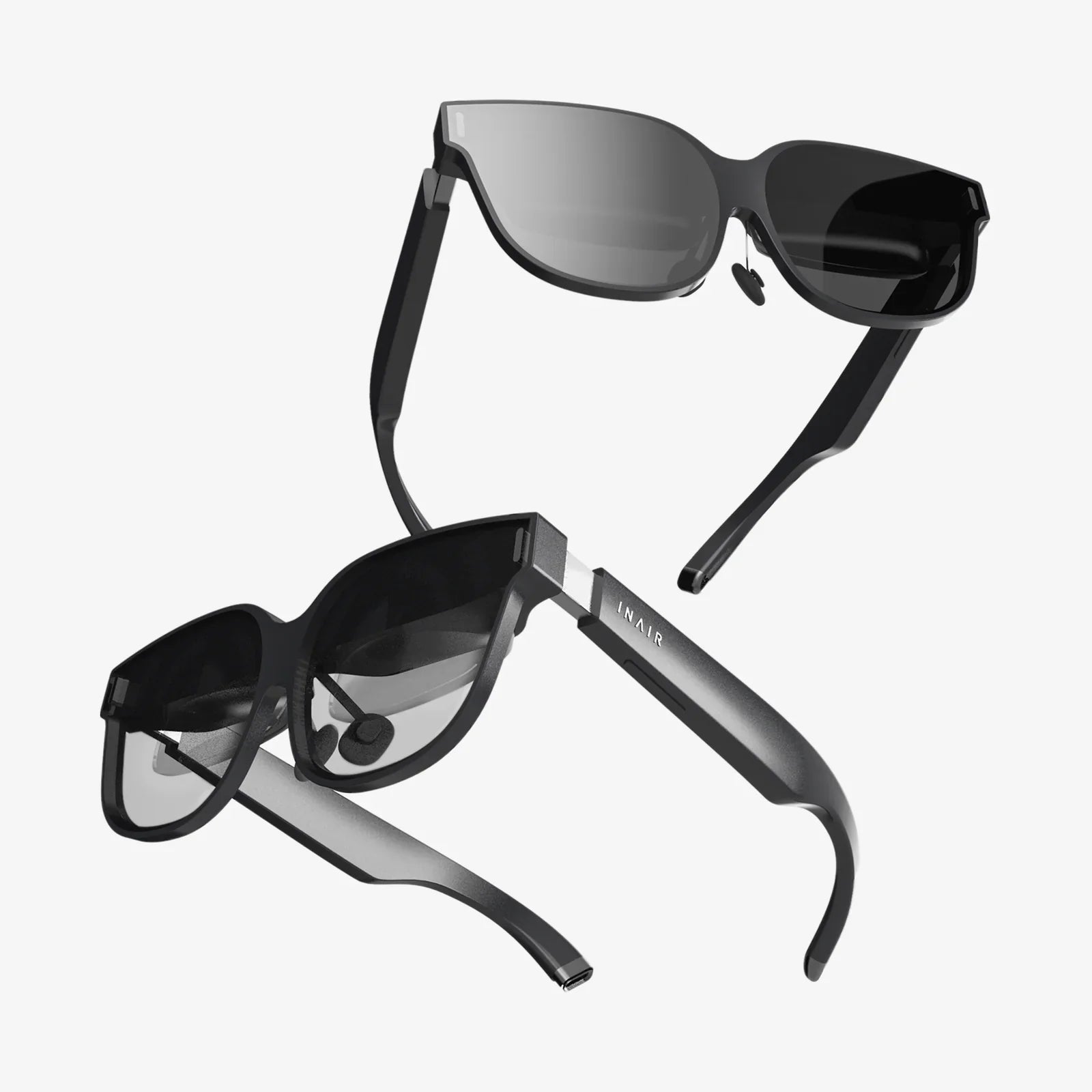
Imagine a world where your watch doesn't just track your steps; it predicts a potential health event before symptoms appear. Where your glasses translate a foreign street sign in real-time, overlaying the information seamlessly onto your vision. Where a sleek ring on your finger monitors your stress levels and subtly guides you through a breathing exercise during a tense meeting. This is not a distant sci-fi fantasy; it is the tangible reality being forged by the leading AI wearable brands of 2025, a frontier where technology is becoming an intuitive, anticipatory, and deeply personal extension of ourselves.
The journey from the basic fitness trackers of the past decade to the AI-powered marvels of today represents one of the most significant evolutions in consumer technology. Early devices were passive historians, cataloging what you had already done—steps taken, heart rate at rest, sleep duration. The paradigm shift, driven by advancements in artificial intelligence and machine learning, has been towards proactive, predictive, and prescriptive intelligence.
Modern devices are no longer just sensors; they are on-board data centers. They employ sophisticated algorithms to process a constant stream of biometric and environmental data—heart rate variability, skin temperature, blood oxygen saturation, ambient light, sound levels, and even electrodermal activity. The true magic happens when this raw data is contextualized. AI models, often trained on anonymized datasets from millions of users, can identify patterns invisible to the human eye. They don't just see a elevated heart rate; they cross-reference it with your sleep quality from the previous night, your current stress markers, and your historical data to determine if you're excited, anxious, or potentially fighting off an illness.
This shift is what separates the leading contenders from the rest. It's the difference between a device that tells you you had a bad night's sleep and one that suggests an adjusted caffeine intake and a wind-down routine for the following evening, all based on a predictive model of your personal sleep architecture.
The market is no longer a monolith. Instead of a one-size-fits-all approach, the leading AI wearable brands of 2025 have carved out distinct territories, each focusing on a core pillar of human experience. This specialization is key to their success and user adoption.
One of the most impactful segments is dominated by players focusing on advanced health monitoring and medical-grade insights. These brands have moved aggressively into the realm of preventative healthcare, often seeking regulatory approvals that blur the line between consumer gadget and medical device.
Their wearables boast capabilities once confined to clinics: continuous, medical-grade ECG monitoring to detect atrial fibrillation, advanced sleep apnea screening through blood oxygen sensing, and even early indicators of metabolic conditions. Their AI doesn't just alert the user; in many integrated healthcare systems, it can provide curated data reports to a physician, facilitating remote patient monitoring and enabling earlier interventions. For an aging global population and those with chronic conditions, these devices are becoming indispensable lifelines, offering peace of mind and a new layer of healthcare accessibility.
Catering to elite athletes and dedicated fitness enthusiasts, another cohort of brands has built its reputation on optimizing human performance. Their devices are engineering marvels, packed with precise GPS modules, accelerometers, and gyroscopes to measure movement with incredible accuracy.
Their AI is a personalized digital coach. It analyzes running form to suggest efficiency improvements, calculates training load to prevent injury and optimize recovery, and even provides real-time pacing strategies during a race based on your current physiological state and the course's elevation. For these users, the wearable is a mission-critical tool for shaving seconds off a time, achieving a personal best, or simply ensuring they can train smarter and longer without breaking down.
A third major group focuses on enhancing daily cognitive function and mental well-being. Recognizing that productivity is not just about time management but also about mental state, these brands have developed wearables that monitor the nervous system.
Using sensors like PPG (photoplethysmography) and EDA (electrodermal activity), they track stress and arousal levels throughout the day. Their AI learns your personal triggers and patterns, sending gentle nudges to take a break, practice a minute of mindfulness, or even guiding you through a haptic breathing exercise to bring your nervous system back into balance. This focus on holistic well-being—mental and physical—resonates strongly in a world increasingly aware of burnout and the importance of mental health.
The sleek designs of these wearables hide a complex technological symphony. Several key innovations have converged to make the 2025 landscape possible.
Despite the breathtaking progress, the path forward is not without significant hurdles that the leading brands must navigate.
Data Privacy and Security: These devices collect the most intimate data imaginable. The industry operates under intense scrutiny regarding how this data is stored, processed, and used. The leading brands are those that have adopted a philosophy of “privacy by design,” employing robust encryption, giving users granular control over their data, and being transparent about their policies. The ethical use of AI, ensuring algorithms are unbiased and fair, remains a paramount concern.
Battery Life and Sustainability: As devices become more powerful, power consumption remains a constant battle. Innovations in low-energy displays, efficient chipsets, and perhaps even kinetic or solar charging are critical for user convenience. Furthermore, the industry faces growing pressure to address its environmental footprint, from the sourcing of materials to the recyclability of devices at the end of their life cycle.
Regulatory Hurdles: As wearables venture deeper into the medical domain, they enter a complex web of global regulations. Obtaining approvals from bodies like the FDA or EMA is a long, expensive, and rigorous process, but it is also a key differentiator that builds immense trust with consumers.
Beyond the specs and algorithms, the most profound question is how this technology changes us. The goal of the leading AI wearable brands of 2025 is not to create a generation of humans enslaved by data, but to foster a symbiotic relationship. The ideal is ambient computing—technology that fades into the background, providing insights only when needed and empowering users to make better-informed decisions about their health, performance, and daily lives.
It's about augmentation, not replacement. These devices provide a level of self-awareness that was previously impossible, offering a data-driven mirror to our own bodies and minds. They can democratize access to health insights that were once available only to professional athletes or the wealthy, potentially leveling the playing field in preventative care.
However, this also raises questions of hyper-dependency and the potential for anxiety induced by constant monitoring (“health anxiety”). The leading brands are increasingly incorporating “digital wellness” features into their own products, encouraging users to periodically disconnect and interpret their data in a healthy, balanced manner.
The wristwatch that warned of a heart condition, the glasses that helped a traveler navigate Tokyo, the ring that managed a panic attack—these are the stories defining the next chapter of human-computer interaction. The leading AI wearable brands of 2025 are not just selling gadgets; they are selling a future of enhanced agency, deeper understanding, and unprecedented personalization, weaving intelligence so seamlessly into the fabric of our lives that it becomes indistinguishable from living itself. The race is on, and the ultimate winner will be anyone who chooses to strap this potential to their wrist.