


- by wangfred
Learn AR and VR: Your Ultimate Guide to Mastering Immersive Technologies
- by wangfred
The digital frontier is expanding at a breathtaking pace, and at its very edge lie two of the most captivating and transformative technologies of our generation: Augmented Reality (AR) and Virtual Reality (VR). To learn AR and VR is to unlock a new dimension of human-computer interaction, a skill set that is rapidly shifting from a niche specialty to a highly sought-after competency. It’s not just about building games or quirky filters; it’s about preparing for a future where the physical and digital worlds are seamlessly intertwined. Whether you're a curious student, a career-changer, or a seasoned professional looking to future-proof your skills, the journey to understand and create for these immersive mediums is one of the most exciting educational adventures available today. This guide is your portal into that world, designed to equip you with the knowledge and direction needed to begin your journey.
Before diving into how to learn AR and VR, it's crucial to understand the fundamental distinction between them, as they represent different ends of the immersive spectrum.
Virtual Reality is the technology of complete immersion. It transports the user into a fully digital, computer-generated environment. By wearing a headset that covers their entire field of vision, the user is effectively cut off from the physical world. This environment can be a simulated real-world location or a completely fantastical setting. The key principle of VR is the replacement of reality, making the user feel as if they are truly "present" in the digital space. This is often achieved through head-tracking technology and motion controllers, allowing users to look around and interact with the virtual world naturally.
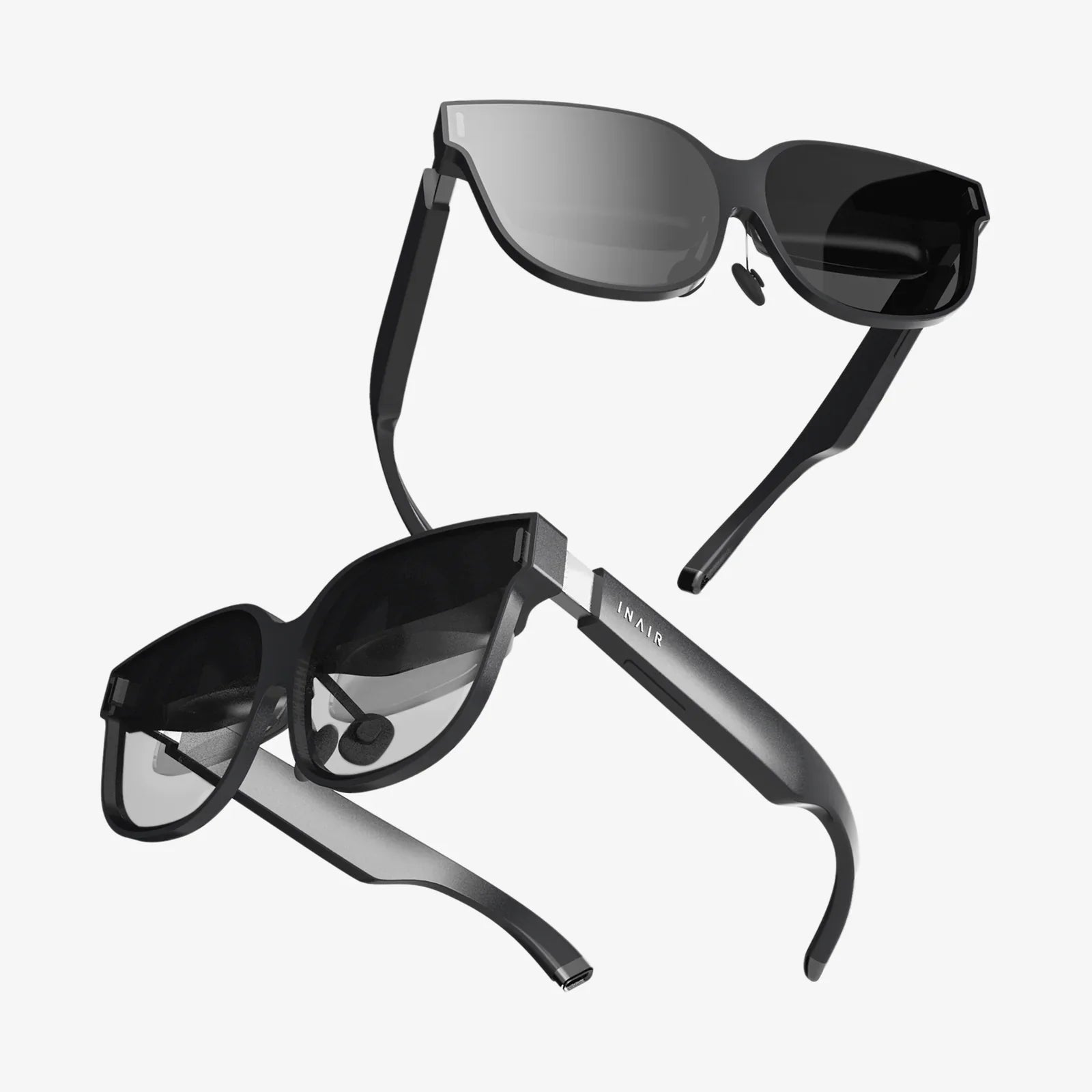
Augmented Reality, in contrast, does not replace the real world but enhances it. It overlays digital information—such as images, text, or 3D models—onto the user's view of their physical surroundings. This is typically experienced through smartphone cameras, tablets, or specialized transparent lenses. The digital elements appear to coexist with the real world, providing context-specific information, entertainment, or instruction. The core principle of AR is the supplementation of reality, blending the digital and physical to create a composite view.
The path to learn AR and VR development is multidisciplinary, sitting at the intersection of several technical and creative fields. A strong foundation in a few key areas will dramatically accelerate your progress.
Both AR and VR experiences are built upon a foundation of 3D objects. Understanding how to create, texture, and optimize these assets is paramount.
This is the heart of development. The vast majority of AR/VR applications are built using powerful game engines, which provide the tools to assemble scenes, script behaviors, and deploy to various devices.
To make an experience interactive, you must learn to code. Scripting brings static 3D scenes to life, defining user interactions, object behaviors, and game logic.
This is arguably the most unique and critical skill to learn AR and VR. Traditional 2D UX principles do not directly translate. Designing for 3D space requires a new mindset.
There is no single "correct" path to learn AR and VR. The right approach depends on your learning style, background, and goals.
This is the most accessible path for many. A wealth of knowledge exists online, often for free or at a low cost.
For those seeking a formal education, an increasing number of universities and colleges are offering degrees and certificates in game design, interactive media, and specifically in AR/VR development.
Coding bootcamps have expanded into the immersive tech space. These are short-term, intensive training programs designed to get you job-ready quickly.
You cannot truly learn AR and VR by watching alone. The most effective learning happens by doing. Your goal should be to start building a portfolio of projects as soon as possible.
Your first project should not be "the next great VR MMORPG." It should be a simple, achievable goal that teaches you the core workflow.
Once your first mini-project is complete, add one new feature. Then another. This iterative process is how complex applications are built.
Create a portfolio website. For each project, write a brief case study: what was the goal, what challenges did you face, and how did you solve them? Share your progress on social media and engage with the community. Feedback is invaluable.
The applications of AR and VR extend far beyond entertainment. To learn AR and VR is to position yourself at the center of a technological revolution impacting nearly every sector.
While the concept is often overhyped, the core idea of a persistent, interconnected network of shared virtual spaces is a powerful driver for this technology. The skills you develop to learn AR and VR are the foundational skills for building whatever the next iteration of the internet becomes—a more embodied, immersive, and spatial web.
The barrier to entry has never been lower, yet the value of these skills has never been higher. The hardware is becoming more affordable and comfortable, the software tools are becoming more powerful and accessible, and the world is waking up to the profound potential of blending our physical and digital realities. This isn't a passing trend; it's a fundamental shift in how we interact with technology and with each other. The journey to learn AR and VR is your invitation to not just witness this change, but to actively shape it. The door to a new reality is open—all you have to do is take the first step and walk through.