


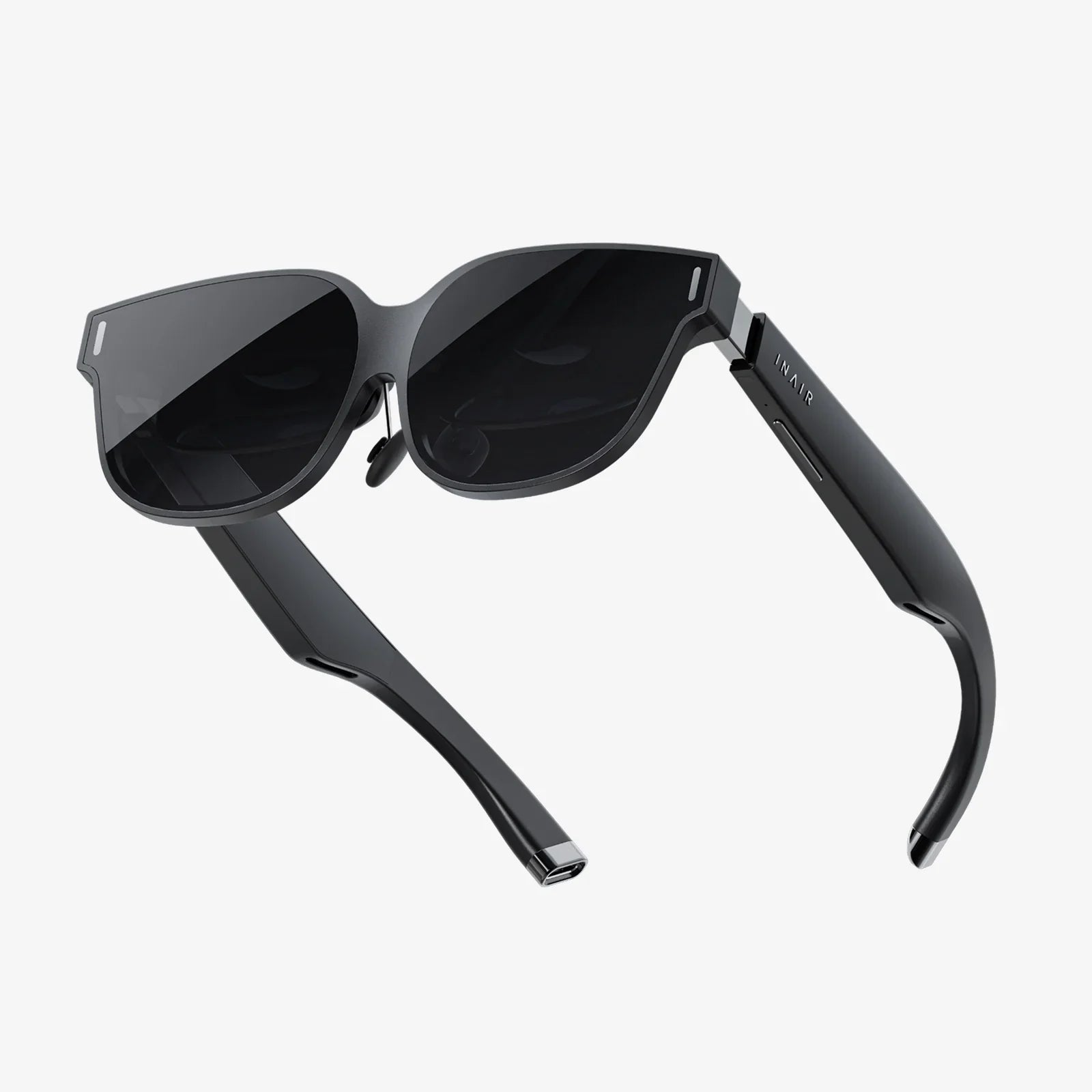
- by wangfred
Lentes AR: The Invisible Technology Revolutionizing Your Digital Vision
- by wangfred
Imagine a world without distracting glares, where your vision is crystal clear and your eyes feel refreshed even after a long day staring at screens. This isn't a futuristic dream; it's the tangible reality offered by a revolutionary optical technology that works silently to enhance every visual moment. The secret lies in a microscopic marvel applied to the surface of lenses, a innovation that has fundamentally changed our relationship with eyewear. This is the promise of advanced lens coatings, a field where science and daily comfort intersect to create a profoundly better experience for the user.
To truly appreciate the innovation, one must first understand the problem it solves: reflection. When light strikes a standard lens surface, a portion of it passes through to provide vision, but a significant amount is reflected back. This reflected light is what creates the annoying glare that obscures vision, causes eye strain, and creates a distracting mirror effect on the surface of the lenses for anyone looking at the wearer.
These coatings operate on principles of wave optics. By applying multiple, ultra-thin layers of metallic oxides to the lens surface, optical engineers can create destructive interference for reflected light waves. Essentially, the light waves reflecting off the top layer of the coating and the waves reflecting off the bottom layer are precisely tuned to be out of phase with one another. When these out-of-phase waves meet, they cancel each other out, dramatically reducing the overall amount of reflected light. The result is that more light is allowed to pass through the lens uninterrupted, maximizing visual acuity and comfort.
While the primary function is eliminating glare, the technology has evolved into a comprehensive protective system. Modern premium coatings are a symphony of multiple layers, each serving a distinct purpose:
This multi-layer approach transforms a simple lens into a high-performance visual tool, offering durability, easy maintenance, and unparalleled clarity.
The advantages extend far beyond cosmetic appeal. The reduction in glare has a direct and significant impact on eye health and overall comfort, particularly in our digital age.
By minimizing the reflected light that causes the eyes to constantly readjust between bright glares and darker areas, these coatings drastically reduce eye strain. This is especially crucial for individuals who spend hours working on computers, tablets, or smartphones, a condition often referred to as digital eye strain. Symptoms like dry eyes, headaches, blurred vision, and neck and shoulder pain can be markedly alleviated when the eyes are not forced to struggle against distracting reflections.
Furthermore, by allowing more light to pass through the lens, these coatings enhance contrast and sharpness. This is not just beneficial for high-precision tasks like driving at night—where oncoming headlights can create dangerous glare—but also for enjoying everyday activities like reading in a well-lit room or watching television. The world simply appears brighter, sharper, and more defined.
One of the most critical applications for this technology is in improving safety during night driving. The blinding halos and starbursts caused by the reflection of streetlights and headlights on an uncoated lens can be severely impairing. A quality coating filters this scattered light, sharpening the driver's view of the road and reducing the recovery time from the glare of oncoming traffic. This enhanced visual performance can be the difference between reacting in time to a hazard and a potential accident, making it an essential feature for any driving glasses.
There is a common misconception that coated lenses are delicate. The opposite is true. The multi-layer stack, particularly the hardened scratch-resistant base coat and the top-tier hydrophobic layers, creates a surface that is significantly more resilient to the wear and tear of daily life than an uncoated plastic lens. The anti-static properties mean they attract less dust, and the oil and water-repelling properties mean smudges and droplets wipe away effortlessly with a soft microfiber cloth. This not only keeps vision clear but also preserves the lifespan of the eyewear investment.
Despite their prevalence, misunderstandings persist. One myth is that the coating will inevitably peel or turn green over time. This was a characteristic of early, lower-quality versions. Today's advanced coatings, when properly cared for, are bonded at a molecular level and are designed to remain clear and intact for the life of the lenses. Another myth is that they are only for those with strong prescriptions. While the benefits are indeed more noticeable on thicker lenses due to more internal reflections, every single wearer, regardless of prescription strength, will experience markedly improved visual comfort and clarity.
From a social and aesthetic perspective, the difference is night and day. Without a coating, lenses act as mirrors, obscuring the wearer's eyes and creating a barrier in communication. By eliminating this reflection, the lenses become virtually invisible, allowing for clear, unobstructed eye contact. This is invaluable in professional settings, social interactions, and photography, ensuring that the focus remains on the person, not on the distracting glare on their glasses.
Not all coatings are created equal. The market offers a spectrum from basic, single-layer options to premium, multi-layer technologies. When selecting, consider your lifestyle:
Consulting with an eye care professional is the best way to navigate these choices and find the perfect solution tailored to individual visual demands.
The evolution of lens coatings is far from over. Research is continuously pushing the boundaries towards smarter, more adaptive surfaces. We are moving into an era of photochromic coatings that adjust darkness more seamlessly than ever, coatings with embedded data display capabilities, and even surfaces with self-cleaning properties inspired by nanotechnology. The goal remains constant: to create a lens that not only corrects vision but actively enhances it, adapting to the user's environment to provide perfect sight in any condition.
This technology has quietly cemented itself as the unsung hero of modern optics. It’s a testament to how a deep understanding of physics and material science can be applied to solve everyday problems, enhancing safety, comfort, and connection. It represents a fundamental shift from viewing glasses as a mere medical device to embracing them as a sophisticated tool for optimizing human experience. The next time you put on a pair of glasses and marvel at the lack of glare, remember the intricate, invisible science working tirelessly to bring the world into perfect focus.
You've now seen the light, quite literally, on the transformative power of this essential technology. It’s no longer an optional upgrade but a fundamental component of any quality eyewear, seamlessly integrating into your life to reduce fatigue, sharpen your view, and protect your most valuable sense. The question is no longer if you need it, but how you ever managed without it. Discover the difference for yourself and experience a world where your vision is limited only by the horizon, not by the glare on your lenses.
Share:
Collaborative Space 3DExperience: The Future of Integrated Product Development
Headplay Head Mounted Display: The Untold Story of a VR Pioneer and Its Lasting Legacy