


- by wangfred
Lightweight VR: The Invisible Bridge to Our Digital Future
- by wangfred
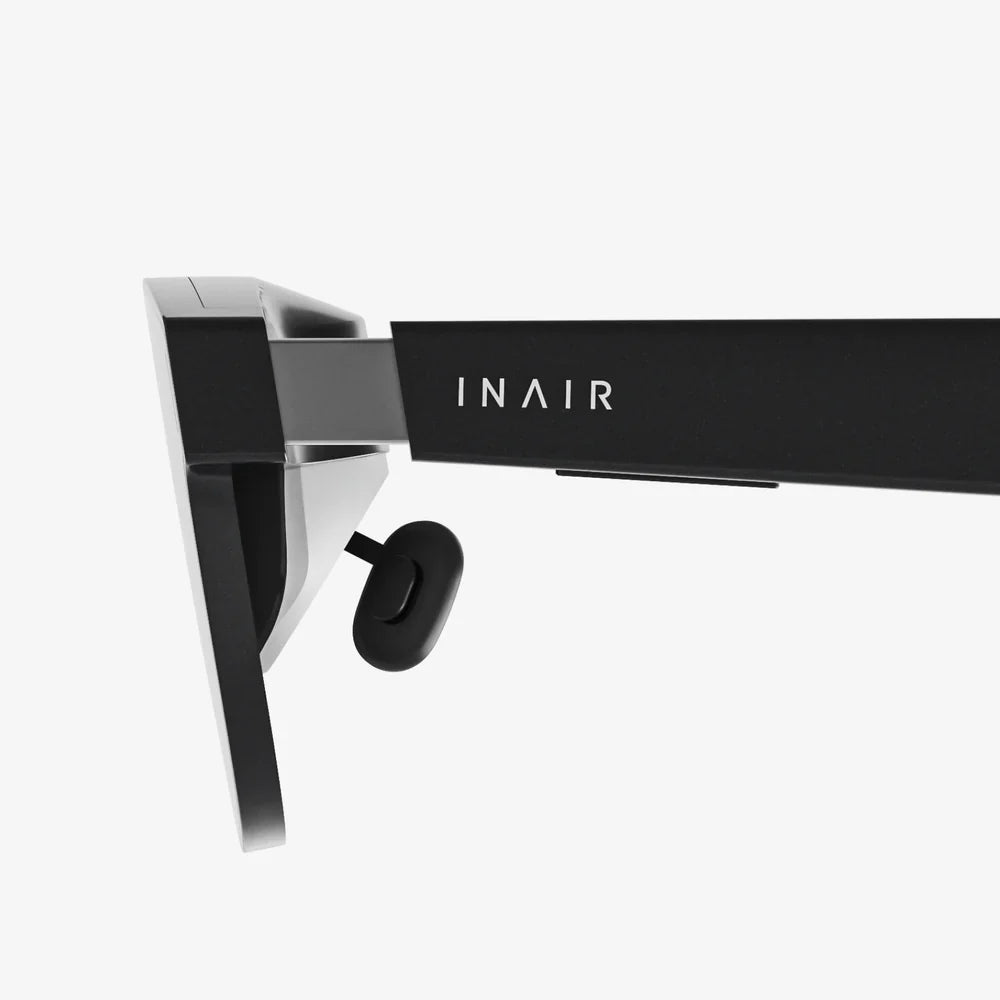
Imagine slipping on a pair of sleek sunglasses and instantly stepping into a boundless digital universe. The heavy, face-crushing visor of yesterday is gone, replaced by an elegant, almost invisible portal to another reality. This is the promise of lightweight VR, a technological revolution that is not just iterating on a gadget, but fundamentally reengineering our relationship with digital space. It’s the key that unlocks the door to a future where the virtual and physical seamlessly coexist, transforming everything from how we work and learn to how we connect and create. The age of immersive computing is finally here, and it’s taking weight off our faces and placing power directly into our hands.
For years, virtual reality was a paradox. It offered an escape from the physical world but constantly reminded you of its own cumbersome physicality. Early systems were tethered to powerful computers by thick cables, creating a tripping hazard and limiting movement. The headsets themselves were front-heavy, often weighing over 600 grams (over 1.3 pounds), placing immense strain on the neck and face. This ‘face fatigue’ was a primary reason users could only tolerate short, 30-minute sessions before needing a break. The experience was isolating, claustrophobic, and required a dedicated, cleared-out space. It was a fantastic, but ultimately niche, technology for hardcore gamers and tech enthusiasts. The weight wasn't just a physical attribute; it was a symbolic anchor, holding VR back from mainstream adoption.
The transition to lightweight VR is a story of meticulous engineering innovation across multiple fronts. It’s not one single breakthrough but a symphony of miniaturization and smart design.
The single biggest contributor to bulk in older headsets was the lens and display assembly. Traditional Fresnel lenses were relatively simple but required a significant distance between the screen and the user's eyes to focus the image correctly, creating a long, protruding housing. The game-changing innovation came with the adoption of pancake lenses. These complex, multi-element lenses use polarization folding to bounce light multiple times within a compact space. This allows the display to be placed dramatically closer to the eyes, slashing the depth of the headset by more than half. This alone transforms a front-heavy box into a slimmer, more balanced form factor.
Gone are the days of thick plastic and rubber. Modern lightweight VR headsets utilize advanced, lightweight composites and magnesium alloys for the structural frame, providing rigidity without mass. The facial interfaces are now made from breathable, hypoallergenic foams and flexible silicone, contouring comfortably to the face without needing excessive clamping force to stay in place. Every gram has been scrutinized and optimized.
A major source of weight was the internal hardware required to drive two high-resolution displays at high frame rates. The shift to standalone processing has been pivotal. While early standalone units were underpowered, modern systems-on-a-chip (SoCs) are marvels of computational efficiency, packing desktop-level performance into a tiny, energy-sipping package. Furthermore, the advent of cloud streaming and computational offloading presents a future where the most demanding processing happens remotely on powerful servers, allowing the headset itself to become an even thinner, lighter client device.
Engineers quickly realized that absolute weight is only part of the equation; where that weight sits is equally critical. A 400-gram headset with all the weight on the front of your face feels heavier than a 500-gram headset with perfect balance. Modern designs use clever strap systems—often with a rear counterweight or a rigid, halo-style band—to distribute mass evenly around the skull, eliminating pressure points on the cheeks and bridge of the nose.
By solving the weight problem, VR ceases to be a destination activity and becomes a seamless tool integrated into the flow of daily life. The implications are profound and extend far beyond the gaming world.
Imagine architects walking clients through a full-scale, photorealistic model of a building before the foundation is even poured. Surgeons across the globe collaborating in a virtual operating theater, practicing on a detailed hologram of a patient's anatomy. Designers sculpting 3D models in mid-air with their hands. Lightweight VR makes this possible for extended, productive work periods. The ability to comfortably wear a headset for hours unlocks true enterprise adoption, enabling remote collaboration that feels palpably real and the visualization of complex data in three-dimensional space.
History lessons are no longer confined to textbooks; students can stand on the ancient Roman senate floor. Medical students can practice intricate procedures thousands of times without risk. Mechanics can learn the intricacies of a jet engine by taking apart a virtual copy. Lightweight, accessible VR democratizes experiential learning, creating deeper understanding and retention through immersion and interaction. It breaks down geographical and socioeconomic barriers to high-quality training resources.
The concept of the "metaverse" shifts from a dystopian sci-fi trope to a plausible evolution of the internet when the hardware to access it is as comfortable as sunglasses. Social VR platforms will allow people to share concerts, watch movies, or simply hang out in virtual spaces with a sense of presence that video calls can never replicate. The weightlessness of the technology reduces the social awkwardness and physical discomfort, making these interactions feel more natural and lasting longer.
For individuals with mobility issues or other physical limitations, lightweight VR can be a window to experiences otherwise out of reach. Virtual travel, attending live events, or even physical therapy in engaging virtual environments become more accessible with comfortable, easy-to-use hardware. This technology has the potential to enrich lives by expanding the boundaries of what is possible from one's own home.
The journey of miniaturization is far from over. The current generation of lightweight VR is a massive leap forward, but it is merely a stepping stone. The next frontier involves integrating cutting-edge technologies like varifocal displays that mimic the eye’s natural focus, eye-tracking for foveated rendering (which drastically reduces processing needs), and eventually, the holy grail: neural interfaces. The ultimate goal is a device that is so lightweight and high-fidelity that it becomes indistinguishable from ordinary eyewear, always on and context-aware, augmenting our reality with helpful digital information rather than replacing it entirely.
This path also leads to more ethical and societal considerations. As the line between the digital and physical blurs, questions about data privacy, digital identity, and the psychological effects of pervasive virtuality will become increasingly urgent. The very accessibility that makes lightweight VR so powerful also demands a thoughtful framework for its development and use.
The heavy headset was a necessary prototype, a proof-of-concept for a world of digital immersion. But true adoption requires invisibility. Lightweight VR is that invisible bridge, a technological triumph that moves the machinery into the background and the human experience to the forefront. It’s the final piece of the puzzle that allows us to stop thinking about the device and start living within the dream it creates. The future isn't just virtual; it's effortless, and it's already settling comfortably onto our faces, ready to change our world from the inside out.
Share:
What Is a VR Lens? The Gateway to Immersive Digital Realities
Best VR Set for Android: Your Ultimate Guide to Mobile Immersion