


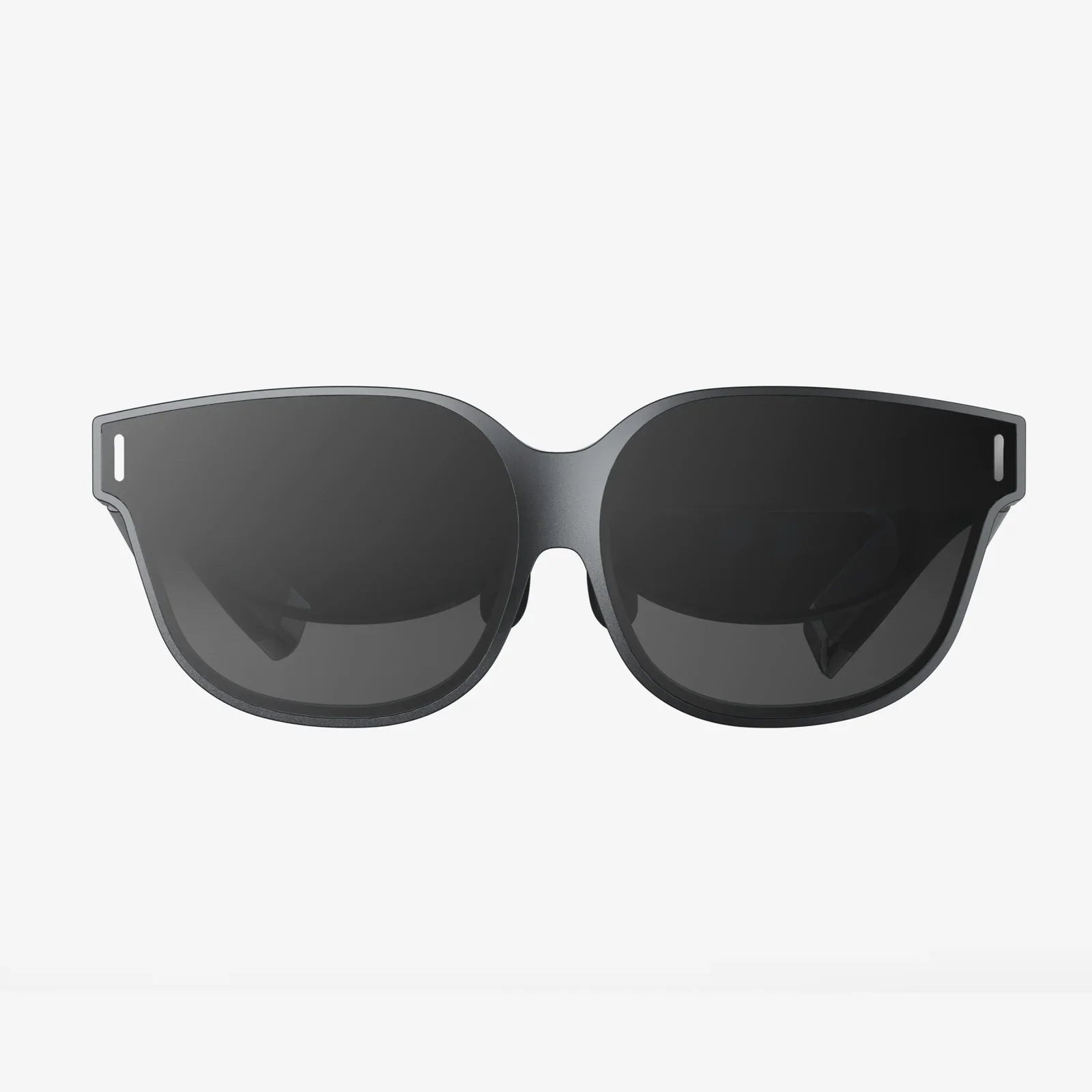
Imagine a world where a simple device on a worker's wrist can detect a fall from height, monitor their vital signs for signs of distress, and instantly summon help to an exact GPS location, all without them lifting a finger. This is not a scene from a science fiction film; it is the reality forged by the rapid evolution of lone worker wearable technology. For millions of employees who operate in isolation—from utility engineers in remote substations to security guards on night shifts, from researchers in vast agricultural fields to social workers conducting home visits—this technology is fundamentally reshaping the concept of occupational safety. It is creating an invisible safety net, a digital guardian that empowers individuals and reassures organizations, turning isolation from a vulnerability into a managed risk. This deep dive explores how these sophisticated devices are saving lives, boosting operational efficiency, and forging a new path toward a safer, more connected future for the world's lone workforce.
The Expanding Universe of the Lone Worker
Before delving into the technology itself, it is crucial to understand the scale and diversity of the challenge it aims to solve. A 'lone worker' is broadly defined as any employee who performs their job without direct or close supervision for prolonged periods. This is a vast and growing segment of the global workforce, encompassing roles across virtually every industry.
- Field Services: Engineers, technicians, and maintenance workers servicing infrastructure in remote or hazardous locations.
- Healthcare and Community Services: Nurses, social workers, and mental health professionals conducting home visits, often in unfamiliar or potentially volatile environments.
- Security and Facilities Management: Security personnel patrolling large premises, warehouses, or construction sites outside of normal working hours.
- Transport and Logistics: Long-haul truck drivers, delivery personnel, and warehouse operatives working in large, sparsely populated spaces.
- Resources and Utilities: Miners, oil rig workers, and agricultural workers operating heavy machinery in isolated settings.
These individuals face a unique set of risks. A sudden health event like a heart attack or stroke, an accident with equipment, an act of violence from a member of the public, or simply a slip, trip, or fall can become catastrophic if there is no one nearby to notice and respond. Traditional safety protocols, such as scheduled check-in calls, are reactive, prone to human error, and offer no protection if a worker is incapacitated between calls. This critical gap is where wearable technology enters the picture.
Beyond the Panic Button: Core Functionalities of Modern Devices
Early lone worker solutions were often simple panic buttons that would trigger an alert when pressed. While still a vital feature, modern lone worker wearable technology has evolved into a sophisticated ecosystem of sensors, connectivity, and intelligent software. Today's devices are designed to be proactive, discreet, and multifunctional.
1. Man-Down and No-Motion Sensors
Perhaps the most critical feature for life-saving intervention. Advanced accelerometers and gyroscopes can detect a sudden fall or a prolonged period of unnatural immobility (e.g., a worker lying motionless on the ground). If the wearer does not cancel the alert within a predefined time window, the device automatically escalates an incident to a monitoring center or a list of designated responders, transmitting its location data.
2. GPS and Location Tracking
Pinpoint accuracy is paramount in an emergency. Wearables integrate GPS, GLONASS, and often Wi-Fi and cellular triangulation to provide accurate location data, both outdoors and indoors. This allows responders to be dispatched to an exact location within a building, shaving precious minutes off rescue times. Geofencing capabilities can also create virtual boundaries, sending alerts if a worker enters or leaves a designated safe or unsafe zone.
3. Two-Way Voice Communication
Many devices now incorporate speaker and microphone functionality, enabling direct, hands-free communication. In a non-emergency, this allows a worker to quickly clarify instructions. During an incident, a monitoring center can listen to the environment to assess the situation (e.g., hearing sounds of aggression or distress) and communicate directly with the worker, even if they are unable to press a button.
4. Environmental and Health Monitoring
The frontier of wearable tech is its ability to monitor the worker's environment and physiology. Some devices can connect to external sensors to detect hazardous gas levels, extreme temperatures, or radiation. Others incorporate biometric sensors to track heart rate, body temperature, and even signs of shock or extreme stress, triggering an alert if vitals deviate from a safe baseline.
5. Discreet and Rugged Design
Understanding that the device must be worn consistently to be effective, manufacturers design wearables to be unobtrusive and durable. They come in forms like watches, pendants, clip-ons, or even built into standard safety equipment like hard hats or armbands. They are typically waterproof, dustproof, and shock-resistant to withstand harsh industrial environments.
The Invisible Safety Net: How the Technology Ecosystem Works
A lone worker wearable is not a standalone product; it is the user-facing node of a complex and robust safety ecosystem. The true power of the technology is unlocked through its integration with a dedicated software platform and a 24/7 professional monitoring service.
- The Device: The wearable continuously collects data from its sensors.
- Connectivity: Using cellular networks (4G/5G), satellitecom, or dedicated low-power wide-area networks (LPWAN), the device transmits this data securely.
- The Software Platform: Data is received by a cloud-based software platform. This is the brain of the operation. It uses algorithms to interpret the sensor data, distinguishing between a worker simply bending over and a genuine fall. It manages geofences, stores worker profiles with vital medical information, and maintains contact lists for escalation.
- Alert Triggering: When a predefined risk threshold is crossed (e.g., a fall is detected, a panic button is pressed, a heart rate spikes), the platform instantly triggers an alert.
- Response and Escalation: The alert is routed according to pre-set protocols. It may go directly to a manager or a team of internal responders via text, email, and app notification. For critical incidents, or for organizations without their own 24/7 security team, the alert is sent to a dedicated Alarm Receiving Centre (ARC). These professionally staffed centers are trained to assess the situation, attempt to communicate with the worker, and, if necessary, coordinate with emergency services, providing them with all the crucial data needed for a effective response.
This end-to-end system ensures that an incident never goes unnoticed and that the response is swift, informed, and appropriate.
The Tangible Benefits: More Than Just a Safety Net
The primary driver for adopting this technology is, unequivocally, the duty of care to protect employees. However, the benefits extend far beyond this, delivering a significant return on investment and operational advantages.
For the Employee: Empowerment and Peace of Mind
Wearing a safety device fundamentally changes a lone worker's psychological state. It reduces anxiety and stress, knowing that help is always accessible. This empowerment leads to increased confidence and job satisfaction. Employees feel valued, knowing their employer has invested in their personal safety, which in turn fosters loyalty and a positive safety culture.
For the Employer: Mitigating Risk and Demonstrating Duty of Care
Employers have a legal and moral obligation to ensure the health, safety, and welfare of all their employees, which is complex to fulfill for those working alone. Wearable technology provides a tangible, auditable, and proactive system to meet this duty of care. It provides documented proof of safety protocols, which is crucial for regulatory compliance and can significantly reduce liability and insurance premiums. In the tragic event of an incident, the data from the device can provide invaluable insights for investigations and for improving future safety measures.
For Operations: Efficiency and Data-Driven Insights
The operational data collected by these devices is a goldmine for improving workflows and safety procedures. Analytics can identify near-misses, pinpoint frequently hazardous locations, and analyze trends in incident reports. This allows for targeted training, better resource allocation, and proactive maintenance of worksites, preventing incidents before they occur. The ability to communicate quickly and locate staff also enhances daily operational efficiency.
Navigating the Challenges: Privacy, Adoption, and Cost
Implementing any monitoring technology is not without its challenges. A successful deployment requires careful consideration and clear communication.
Privacy Concerns: Continuous location tracking can understandably raise concerns about 'Big Brother' surveillance. It is imperative that organizations establish a clear, transparent policy on data usage. Employees must be assured that data is collected solely for safety purposes, with strict access controls, and is not used for performance monitoring or micromanagement without their explicit consent.
User Adoption: The best technology is useless if workers won't wear it. Devices must be comfortable, easy to use, and genuinely add value to the worker's day. Involving employees in the selection process, providing thorough training, and fostering a culture where wearing the device is seen as a positive and standard part of the uniform are key to achieving high adoption rates.
Cost and Infrastructure: Implementing a full solution, including devices, software subscriptions, and potentially ARC services, represents a significant investment. However, this must be weighed against the immense potential costs of a serious incident: legal fees, regulatory fines, reputational damage, increased insurance costs, and, most importantly, the human cost. For many, it is an investment in preventing catastrophe.
The Future is Wearable: Emerging Trends and Innovations
The pace of innovation in this field is breathtaking. The next generation of lone worker wearable technology is poised to become even more integrated, predictive, and intelligent.
- Artificial Intelligence (AI) and Predictive Analytics: AI will move systems from being reactive to truly predictive. By analyzing vast datasets of historical incident reports, environmental data, and individual biometric trends, AI could alert a supervisor that a worker in a extreme heat environment is showing early signs of heat stress long before it becomes a medical emergency.
- Advanced Biometrics: Future devices may monitor for a wider range of physiological markers, including hydration levels, blood oxygen saturation, and even EEG readings to detect concussions or loss of consciousness with greater accuracy.
- Seamless Integration with the IoT: Wearables will act as a personal hub within the broader Internet of Things (IoT). They could automatically lock down machinery if a worker falls, control lighting in a warehouse for better safety, or interface with smart first-aid kits to guide a colleague through emergency procedures.
- Improved Battery Life and Connectivity: Advances in low-power chip design and the rollout of dedicated IoT networks like NB-IoT and LTE-M will lead to devices that last for months on a single charge and maintain a connection in the most challenging environments, from deep underground to the middle of the ocean.
The trajectory is clear: the wearable will become less of a distinct device and more of an intelligent, connected layer of the worker's personal protective equipment (PPE), working silently in the background to ensure their well-being.
The silent alarm triggered by a lone worker's wearable device is more than just a signal for help; it is the culmination of a promise—a promise that no employee is ever truly alone. This technology represents a profound shift in workplace safety philosophy, moving from crossed fingers and hope to data-driven, actionable protection. It empowers the individual with a lifeline and provides organizations with the tools to fulfill their most fundamental responsibility. As these devices become smarter, smaller, and more integrated, the very nature of isolated work will change, opening up new possibilities while ensuring that safety is never compromised. The future of lone work is not about eliminating isolation, but about rendering it irrelevant to safety, creating a world where every employee, no matter how remote their location, can perform their duties with confidence and the absolute assurance that someone always has their back.
Share:
How to Clean VR Goggles: The Ultimate Guide to Safe and Effective Cleaning
How to Clean VR Goggles: The Ultimate Guide to Safe and Effective Cleaning