


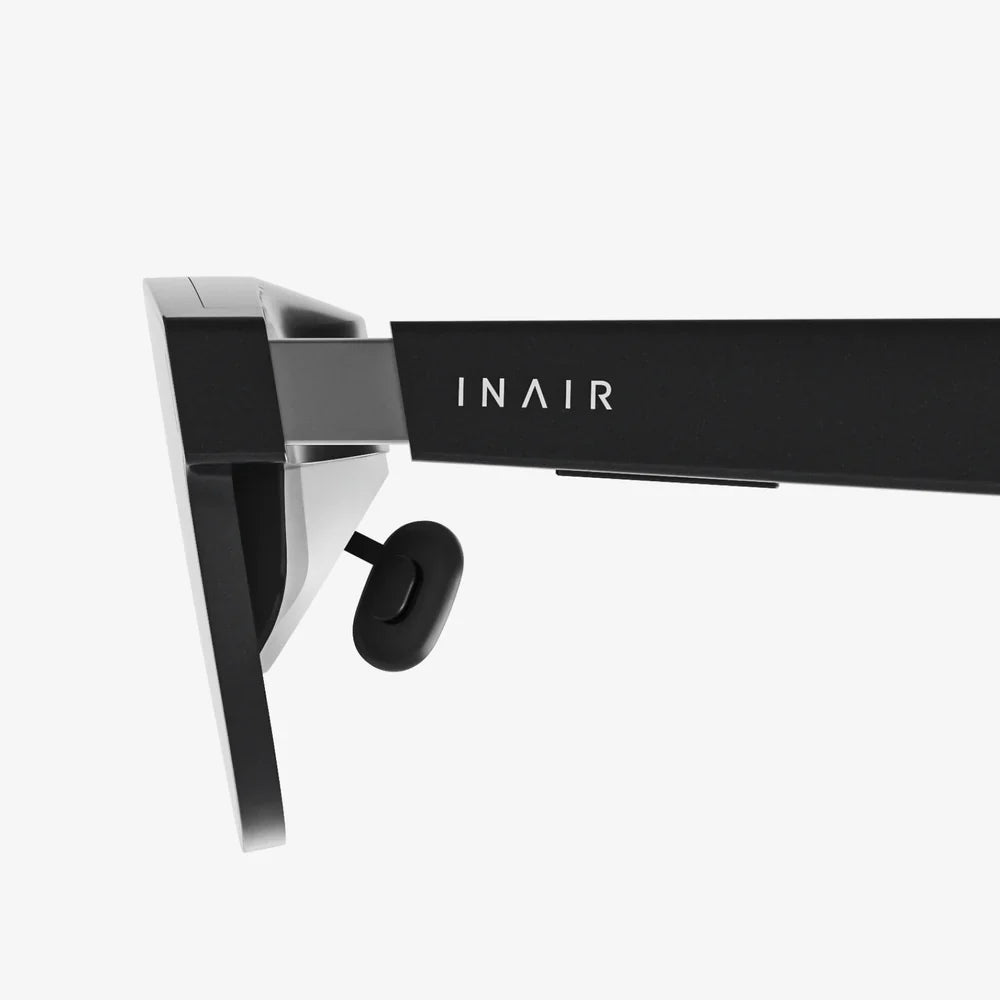
The sleek, futuristic promise of artificial intelligence perched on the bridge of your nose is no longer science fiction. AI glasses are here, whispering directions into your ear, translating street signs in real-time, and overlaying digital schematics onto physical machinery. They represent a paradigm shift in computing, moving from something we hold to something we wear, an always-on, always-aware digital assistant integrated seamlessly into our perception of reality. The initial allure is undeniable, a siren's call of hyper-efficiency and augmented experiences. Yet, beneath the glossy marketing renders and visionary keynotes lies a more complex and sobering reality. For this technology to transition from a niche gadget for early adopters to a trusted, mainstream tool woven into the fabric of daily life, it must overcome a formidable gauntlet of profound and largely unaddressed long-term reliability concerns. The true test won't be in the first impressive demo, but in how these devices perform, protect, and persist over years of constant use in an unpredictable world.
The Inevitable Physical Toll: Hardware Under Pressure
Unlike a smartphone safely tucked away in a pocket, AI glasses are exposed. They are subject to a relentless barrage of environmental and physical stresses that will inevitably test their structural and functional integrity over the long term.
Environmental Assault and Component Fatigue
Consider the daily life of a pair of glasses: they are placed on a sweaty forehead, shoved into a bag, dropped on hard surfaces, exposed to rain, and subjected to extreme temperature swings from a chilly morning to a hot car interior. Each of these events contributes to material fatigue. The miniature cameras and sensors, crucial for perceiving the world, are highly susceptible to scratching, misalignment, and accumulation of dust and grime. Even with advanced coatings, can the optical systems maintain their clarity and precision after two years of such abuse? The microphones and speakers, essential for audio interaction, face similar degradation from moisture, earwax, and general debris, potentially leading to muffled audio and failed voice commands.
The Battery Conundrum: A Finite Lifespan
Perhaps the most significant hardware reliability challenge is the battery. These devices demand significant power to run complex AI models and display systems, necessiating high-capacity batteries in an incredibly small form factor. Lithium-ion batteries have a finite number of charge cycles. After hundreds of full charges and discharges, their capacity inevitably degrades. For a smartphone, this means carrying a charger; for AI glasses, which are meant to be worn all day, severe battery degradation could render them practically useless within a few years. The prospect of a core, expensive piece of technology having a hard expiration date due to a non-user-replaceable battery presents a massive consumer confidence and electronic waste problem.
The Privacy Paradox: A Persistent and Growing Threat
If the hardware concerns are daunting, the software and data security challenges are existential. AI glasses, by their very nature, are data collection powerhouses. They see what you see and hear what you hear, constantly. This creates a privacy paradox: their utility is directly proportional to their intrusiveness, raising monumental long-term reliability concerns about data stewardship.
Perpetual Surveillance and the Consent Problem
The device's always-on sensors create an unprecedented surveillance capability. Even if companies promise that data is processed locally or only with explicit user activation, the mere potential for recording is a societal worry. The long-term reliability of a company's privacy promises is a critical issue. Will the privacy policy change after a corporate acquisition? Could a future software update, pushed silently to the device, enable new, more intrusive data collection methods? The glasses themselves could become a trojan horse, with their functionality eroding user privacy over time rather than protecting it. The reliability of their ethical safeguards is just as important as the reliability of their silicon.
Securing the Data Lifeline
Furthermore, the lifetime of collected data must be considered. These devices will amass a vast, intimate archive of a user's life—their conversations, locations, and visual history. The long-term security of this data vault is paramount. A security vulnerability discovered today could expose years of historical data tomorrow. Can the manufacturer guarantee—truly guarantee—the integrity of this data for the entire lifespan of the product and beyond? A single major data breach involving biometric or continuous audio/visual data from AI glasses would shatter public trust and likely trigger severe regulatory backlash, potentially crippling the entire product category.
The Software Siren: Navigating Obsolescence and Updates
Hardware is only half the story. The AI and software that power the magic are a moving target, introducing a different kind of fragility.
The Update Treadmill and Planned Obsolescence
Software updates are a double-edged sword. They are necessary for patching security flaws and adding new features, but they also carry risk. A poorly tested update could degrade performance, disable key features, or even brick the device entirely. Over a product's lifespan, who decides when to stop providing updates? Manufacturers have a well-documented history of ending software support for older devices to incentivize upgrades. For a device as intimate and integrated as AI glasses, being cut off from security patches and compatibility updates would be a death sentence, effectively mandating a new purchase. This planned obsolescence model directly conflicts with the consumer desire for a reliable long-term tool.
AI Model Stagnation and Cloud Reliance
Many of the most advanced AI features will likely rely on cloud processing to handle the immense computational load. This creates a dependency on remote servers. What happens if the company decides to sunset a particular service or API that the glasses depend on? A core functionality could vanish overnight. Even if the AI models run on-device, they are trained on vast datasets that represent a snapshot in time. Over years, language, social norms, and the physical world change. An AI model that isn't continuously updated and retrained will become less accurate and less relevant, its intelligence decaying even if the hardware remains physically intact. The long-term reliability of the AI itself is a question without a clear answer.
The Human Factor: Social and Psychological Erosion
Beyond the technical, long-term reliability concerns extend to the human users and the society they inhabit. Will we be able to rely on our own senses and social skills after years of using augmented reality?
The Atrophy of Attention and Memory
If a device is constantly reminding you of appointments, feeding you information about people you meet, and recording everything you see, there is a risk that our innate cognitive muscles could atrophy. Why remember a route if the glasses always guide you? Why memorize a fact if it can be instantly recalled? The long-term psychological impact of outsourcing cognition to a wearable AI is unknown. The very tool designed to enhance our capabilities could, over time, make us less capable and less self-reliant without it.
Social Friction and the Erosion of Trust
Social acceptance is another form of reliability. Can we rely on these devices to be socially appropriate? The presence of a recording camera on someone's face creates a chilling effect on conversation and social interaction. The long-term erosion of trust in social settings—wondering if someone is recording you or looking up your personal data during a conversation—could fundamentally alter the nature of human interaction. A product that is socially unreliable will never achieve widespread, lasting adoption, no matter how advanced its technology.
A Path Forward: Building for Tomorrow, Not Just Today
Addressing these long-term reliability concerns is not impossible, but it requires a fundamental shift in philosophy from manufacturers—away from a disposable tech mindset and toward building enduring, trustworthy platforms.
This means designing for repairability and upgradeability, such as user-replaceable batteries and lenses. It means making bold, verifiable commitments to data privacy, perhaps through open-source auditing or on-device processing by default. It requires transparent and guaranteed software support timelines. Most importantly, it necessitates a broader conversation involving not just engineers and marketers, but also ethicists, sociologists, and regulators to establish guardrails before the technology becomes ubiquitous.
The dream of AI glasses is potent, offering a glimpse into a seamlessly augmented future. But that future will remain a distant mirage unless the industry confronts the hard questions of longevity, security, and human impact head-on. The race won't be won by who gets to market first, but by who builds a device we can truly trust to be a part of our lives—and our vision—for years to come.
Imagine a world where your most personal data is captured by a device on your face, only to become inaccessible or compromised not by a single event, but by the slow, creeping failure of promises made by companies focused on next quarter's earnings, not the next decade's trust. The choice for consumers won't be about which features are the flashiest at launch, but about which company can convincingly answer the critical question: can I rely on this, truly, for the long haul? The future of wearable AI depends on it.
Share:
AR VR Questions: The Complete Guide to Understanding Immersive Technology
AI Bluetooth Glasses with Speaker - The Ultimate Wearable Tech Revolution