


- by wangfred
Mass Virtual Reality And The Future Of Shared Digital Experience
- by wangfred
Mass virtual reality is no longer a distant sci-fi fantasy; it is quietly becoming the next great frontier of human experience, poised to reshape how we work, learn, socialize, and entertain ourselves. As headsets become cheaper, networks faster, and digital worlds more immersive, the idea of millions of people coexisting in shared virtual spaces is turning from hype into reality. If you have ever wondered what life will look like when virtual environments are as common as smartphones, understanding mass virtual reality today is your best glimpse into tomorrow.
At its core, mass virtual reality describes a world where immersive digital environments are accessible to large populations at the same time, across borders, devices, and demographics. This is more than just gaming or novelty experiences; it is about creating persistent, shared spaces where people can collaborate, create, trade, and build communities at scale. The shift is as profound as the transition from dial-up internet to the mobile web, and it carries both enormous opportunity and serious challenges.
To understand mass virtual reality, it helps to break the concept into three parts: immersion, scale, and persistence.
Immersion is what separates virtual reality from traditional screens. Instead of looking at a flat image, you feel as though you are inside a three-dimensional environment. This effect is created through a combination of visual, auditory, and sometimes haptic (touch-related) technologies that trick your brain into perceiving a digital space as physical.
Immersion involves:
In mass virtual reality, this immersive layer is not limited to a few enthusiasts. Instead, it becomes a common medium of interaction, much like video calls are today.
Virtual reality has existed for years, but mostly as isolated experiences: single-player games, small group simulations, or training modules. Mass virtual reality changes the equation by focusing on scale. The goal is to support thousands, even millions, of users in shared or interconnected spaces, each represented by avatars and able to interact in real time.
Scale transforms virtual reality from a niche technology into a social and economic platform. When large numbers of people can gather in the same digital environment, new forms of events, markets, and communities emerge, from virtual concerts and conferences to digital marketplaces and co-working hubs.
Persistence means that virtual spaces continue to exist and evolve even when you log off. Just like a city keeps operating when you leave it, persistent virtual environments store changes, track ownership, and maintain continuity. Buildings remain where they were placed, conversations leave traces, and economies keep running.
Mass virtual reality relies on persistence to create a sense of stability and investment. People are more likely to build, buy, and contribute when they know their actions have lasting impact in a shared world.
For mass virtual reality to work, several layers of technology must come together seamlessly. Each layer is evolving rapidly, and their convergence is what makes large-scale adoption possible.
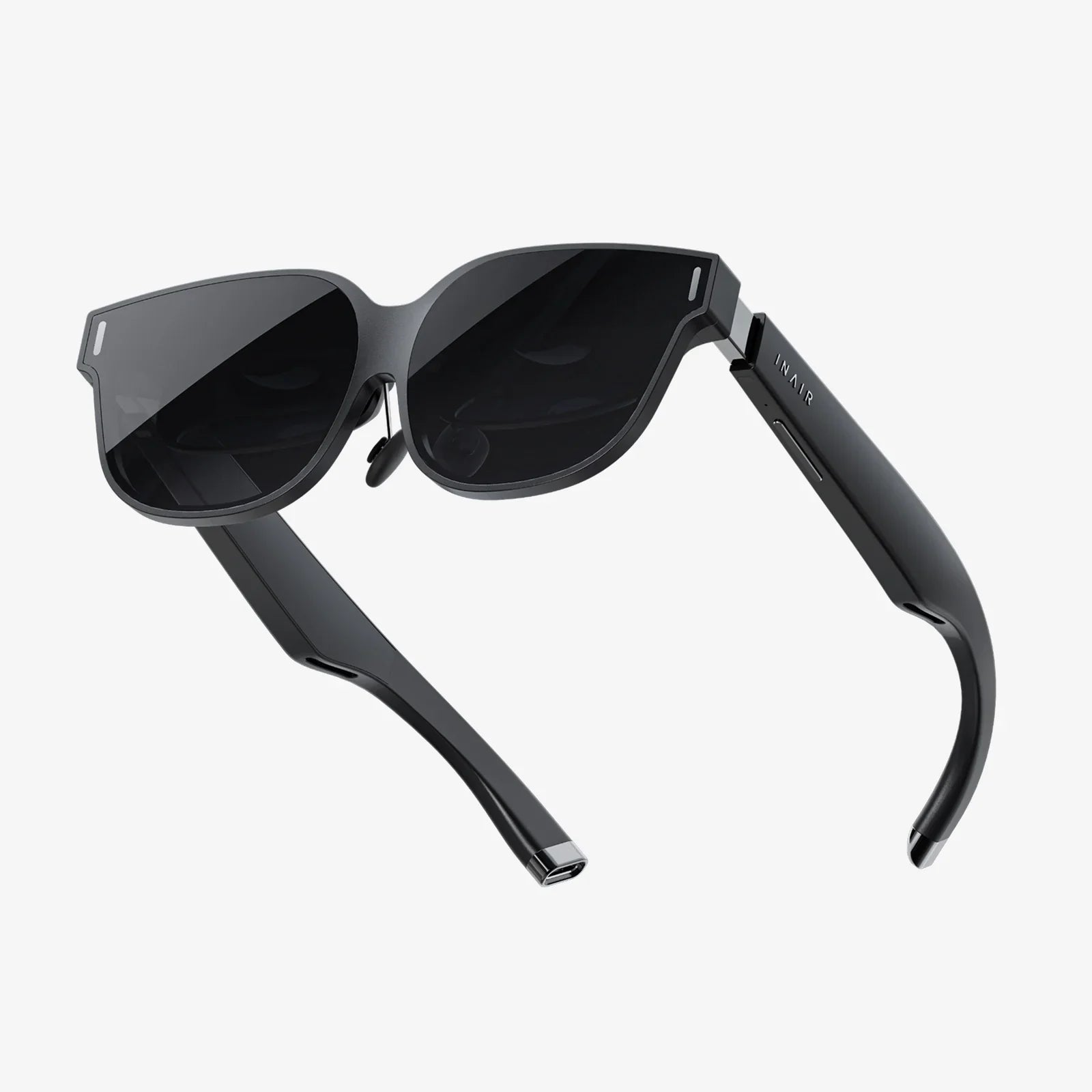
Early virtual reality headsets were heavy, expensive, and tethered to powerful computers. Mass virtual reality demands something different: comfortable, affordable devices that can be worn for extended periods and used by a wide range of people.
Key hardware trends include:
As costs drop and designs improve, virtual reality hardware begins to resemble consumer electronics rather than specialist equipment, opening the door to mass adoption.
Hardware alone does not create mass virtual reality; it needs software platforms that can host large communities, manage identity, and enable content creation. These platforms act like operating systems for virtual worlds, providing tools for developers and safe spaces for users.
Essential software capabilities include:
These platforms will increasingly function as hubs where people work, learn, socialize, and transact, blurring the line between virtual and physical economies.
Mass virtual reality depends on fast, reliable networks. Low latency is crucial; even small delays can disrupt immersion and cause discomfort. High bandwidth is needed to stream detailed environments, high-resolution textures, and positional data for many users at once.
Key infrastructure components include:
As networks improve globally, mass virtual reality will become viable not only in wealthy urban centers but also across emerging markets, expanding the potential user base dramatically.
Entertainment is often the first industry to embrace new immersive technologies, and mass virtual reality is no exception. The shift from passive viewing to active participation is already underway.
Traditional media puts you outside the story; virtual reality places you inside it. Imagine exploring a mystery as a character, not just an observer, or walking through historical events as if you were there. In mass virtual reality, these experiences can be shared, allowing groups of people to participate together in narrative-driven worlds.
Key possibilities include:
This form of entertainment blurs the line between film, theater, and gaming, creating entirely new genres.
Mass virtual reality enables live events that are not limited by physical venues. A concert can host millions of attendees from around the world, each with a front-row view, dynamic visual effects, and interactive elements impossible in the physical world.
Virtual events can offer:
As more creators experiment with immersive formats, mass virtual reality will likely become a standard venue for global cultural moments.
Remote work has already transformed how companies operate, but video calls and chat tools have clear limitations. Mass virtual reality offers a more natural, spatial way to collaborate, especially for complex tasks that benefit from shared presence and 3D visualization.
In a mass virtual reality environment, teams can meet in digital offices that feel more like real rooms than flat video grids. Body language, spatial audio, and eye contact can be simulated to create a stronger sense of presence. Whiteboards, models, and documents can float in space, manipulated by multiple people at once.
Virtual offices offer advantages such as:
Over time, some organizations may adopt hybrid models, using virtual reality for specific tasks like brainstorming, training, or design reviews, while keeping other activities in traditional formats.
Fields that rely on spatial understanding stand to gain significantly from mass virtual reality. Architects, engineers, and product designers can step inside their creations, examine details at scale, and collaborate with colleagues and clients in real time.
Examples of potential workflows include:
Mass virtual reality makes these powerful tools available to larger teams and even cross-organizational collaborations, speeding up decision-making and reducing costly errors.
Education is another area where mass virtual reality can have profound impact, especially when used to supplement rather than replace traditional methods. The ability to simulate environments, visualize complex concepts, and practice skills safely can transform how people learn.
Imagine a virtual campus where students from around the world attend lectures, participate in labs, and collaborate on projects, all from their homes. Mass virtual reality can host such campuses, complete with lecture halls, study areas, and social spaces.
Benefits include:
Virtual classrooms can also adapt to different learning styles, allowing students to interact with content rather than just reading or listening.
Mass virtual reality is especially powerful for training that involves risk, complexity, or high cost in the physical world. Trainees can practice procedures repeatedly, make mistakes safely, and receive real-time feedback.
Potential applications include:
As more organizations adopt virtual training, mass virtual reality could significantly reduce costs and improve preparedness in critical fields.
Perhaps the most profound change brought by mass virtual reality will be in how people connect and express themselves. Social networks today are largely text and image-based; virtual reality adds presence, body language, and shared environments to the mix.
In mass virtual reality, social spaces can be anything from cozy living rooms to surreal landscapes. Friends can meet on virtual beaches, in fantasy worlds, or in realistic simulations of their favorite cafes. These environments can be user-created, allowing communities to design spaces that reflect their values and interests.
Social features might include:
Unlike traditional social media feeds, these spaces emphasize shared experience over scrolling content, potentially changing how people spend their time online.
Avatars are at the heart of social interaction in mass virtual reality. They can be realistic or stylized, human or fantastical. This flexibility opens new doors for self-expression but also raises questions about authenticity and identity.
Key aspects of avatar identity include:
As mass virtual reality evolves, norms and etiquette around avatars will develop, shaping how people present themselves and relate to others in digital spaces.
Beyond entertainment and social interaction, mass virtual reality is likely to become a significant economic engine. Virtual goods, services, and experiences can be bought and sold, and new types of work will emerge around creating and maintaining these digital environments.
In persistent virtual worlds, almost everything can be a digital asset: clothing for avatars, virtual land, decorative items, tools, and more. People may spend money to customize their spaces, express their identity, or gain access to exclusive experiences.
Virtual economies can include:
These economies will raise important questions about ownership, taxation, and regulation, especially when virtual goods have real-world monetary value.
Mass virtual reality will create demand for roles that barely exist today. Just as the rise of the web led to new professions like social media managers and app developers, virtual reality will generate its own ecosystem of careers.
Possible roles include:
Businesses that adapt early to mass virtual reality may gain advantages in marketing, customer engagement, and global reach by meeting users where they increasingly spend their digital time.
While the potential of mass virtual reality is vast, it also brings serious challenges that cannot be ignored. The more time people spend in immersive environments, the more important it becomes to address issues of safety, equity, and well-being.
Virtual reality systems collect highly sensitive data, including head movements, hand gestures, voice, and sometimes biometric signals. In mass virtual reality, this data can be used to infer emotions, preferences, and habits at a level of detail far beyond traditional web analytics.
Key concerns include:
Strong privacy standards and transparent policies will be essential to building trust at scale.
Harassment takes on new dimensions in immersive environments because interactions feel more personal. Verbal abuse, stalking, or unwanted physical proximity can be distressing when experienced through a headset that simulates presence.
Mass virtual reality will need robust safety tools, such as:
Designing for safety from the outset will help ensure that virtual spaces remain welcoming and inclusive.
Extended use of virtual reality can cause eye strain, motion sickness, or discomfort if not managed properly. There are also psychological considerations, such as the potential for escapism, addiction, or blurred boundaries between virtual and physical life.
Healthy use of mass virtual reality will require:
Public health organizations, researchers, and platform providers will need to collaborate to understand long-term effects and promote responsible use.
For mass virtual reality to truly reach mainstream scale, several barriers must be overcome. The trajectory will likely mirror past technology waves, moving from early adopters to widespread acceptance as costs fall and use cases become compelling.
Price remains one of the biggest obstacles. Headsets and compatible devices must be affordable for large segments of the population. Simplifying setup, reducing the need for technical knowledge, and offering intuitive interfaces will also be critical.
Strategies that can accelerate adoption include:
People adopt new technologies when they feel they are missing out by not participating. For mass virtual reality, this may come from a combination of social, professional, and entertainment experiences that cannot be replicated on traditional screens.
Examples might include:
As these experiences accumulate, mass virtual reality will shift from optional novelty to everyday utility for many people.
The rise of mass virtual reality will not happen overnight, but it is advancing steadily. Whether you are an individual, educator, business leader, or creator, there are practical steps you can take now to be ready for this shift.
If you have access to virtual reality devices, start by exploring simple experiences: virtual tours, social spaces, or basic collaboration tools. Focus on understanding how presence feels, how avatars work, and what interactions are comfortable or awkward.
For those without headsets, many platforms offer non-immersive access via standard computers. While not fully immersive, these options still provide a sense of how virtual worlds operate and how communities form within them.
Skills such as 3D modeling, interactive design, digital storytelling, and online community management will become increasingly valuable in a world of mass virtual reality. Even if you are not a technical expert, understanding these concepts will help you collaborate with specialists and make informed decisions.
Educational institutions and training programs are beginning to offer courses related to immersive technologies. Exploring these resources now can position you ahead of the curve as demand grows.
Organizations should start mapping how mass virtual reality might affect their sector. Consider questions such as:
By treating mass virtual reality as a strategic priority rather than a distant curiosity, you can identify early pilot projects and partnerships that build internal expertise.
Mass virtual reality is set to become one of the defining technologies of the coming decades, reshaping how we experience presence, community, and creativity in the digital age. The choices made now by developers, policymakers, educators, businesses, and everyday users will determine whether this new layer of reality becomes a force for connection and opportunity or a source of division and risk. If you are curious about where your life, career, or organization fits into this emerging landscape, the time to explore is not years from now but today, while the rules are still being written and the most exciting possibilities are still up for grabs.