


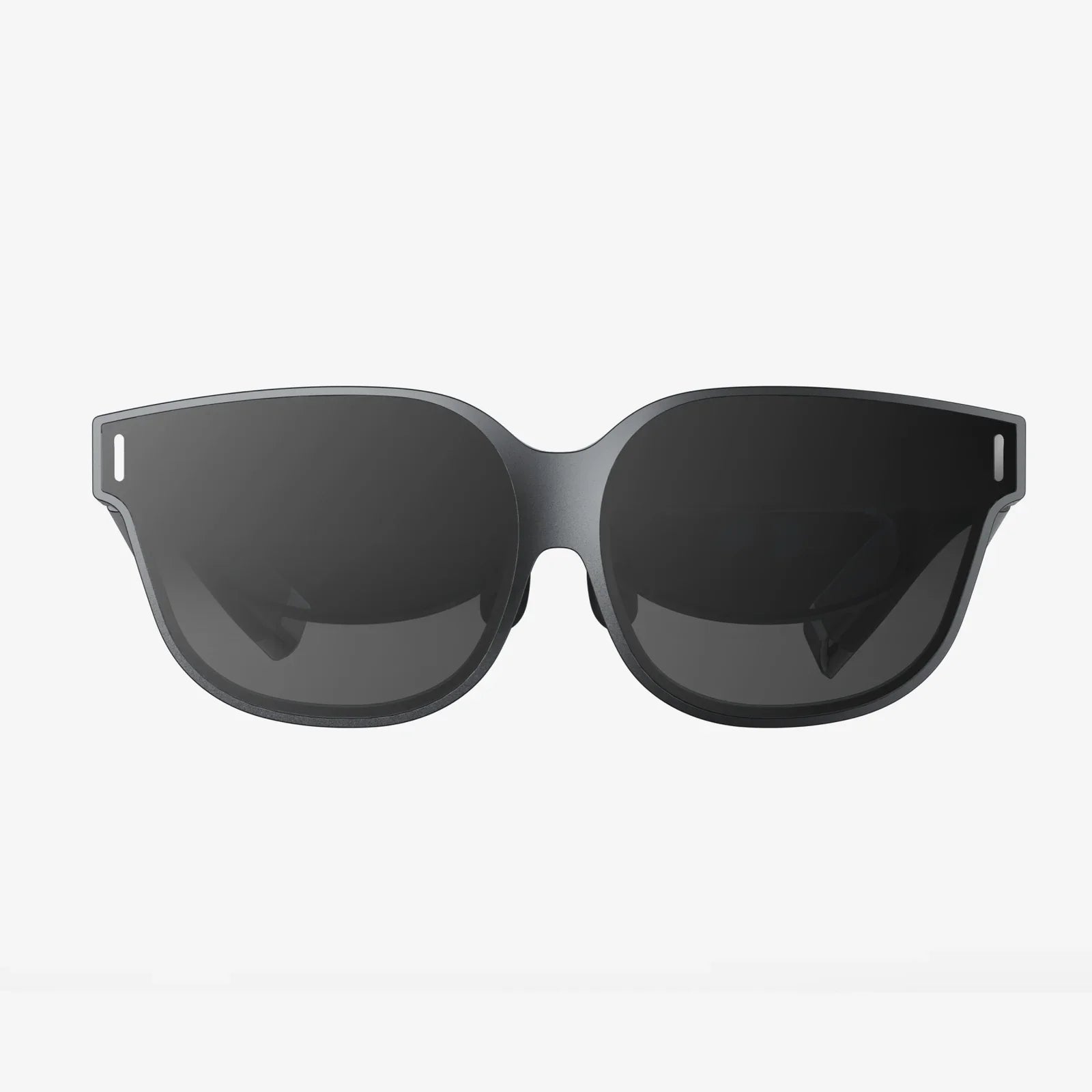
Imagine slipping a universe into your pocket, a portal to immersive worlds that activates with a simple click of your smartphone. This isn't a distant sci-fi fantasy; it's the accessible, transformative reality offered by head-mounted displays designed to merge with the device you already own. This technology represents a pivotal moment, democratizing virtual experiences and placing unprecedented power directly into the hands of users worldwide. The journey from a slab of glass and silicon to a window into another dimension is one of the most fascinating evolutions in modern consumer tech, and it's changing how we learn, play, and connect.
The Democratization of Virtual Reality
For years, high-end virtual reality systems were the domain of dedicated enthusiasts and professionals, requiring powerful computers, intricate external sensors, and a significant financial investment. This created a high barrier to entry that kept the technology niche. The advent of head-mounted displays that leverage smartphone technology shattered this barrier. By utilizing the high-resolution display, powerful processor, sophisticated motion sensors, and internet connectivity already embedded in modern mobile devices, these goggles drastically lower the cost and complexity of entry. This approach doesn't just make VR affordable; it makes it ubiquitous, turning a global installed base of billions of smartphones into potential VR platforms. It’s a paradigm shift from exclusive to inclusive, allowing a much broader audience to take their first steps into virtual worlds.
How the Magic Works: A Technical Symphony
The core principle is elegant in its simplicity: your smartphone becomes both the brain and the eyes of the virtual reality experience. The process begins when you secure the device into a specially designed compartment on the goggles.
The Display and Lenses
The smartphone's screen is split into two distinct images, one for each eye. The goggles' high-quality, adjustable lenses are then placed between your eyes and the screen. These lenses perform two critical functions: they focus each image to fill your entire field of view, and they correct for the pincushion distortion inherent in VR software to create a crisp, clear, and seemingly infinite picture. This combination transforms the flat, rectangular screen into a vast, stereoscopic 3D environment that feels tangibly real.
Harnessing The Smartphone's Innate Power
The magic goes far beyond just the display. The smartphone’s internal hardware is the unsung hero of the entire operation:
- Gyroscope & Accelerometer: These sensors track the rotation and orientation of your head in real-time. When you look up, down, left, or right, the sensors relay this movement data instantaneously to the VR application, which adjusts the on-screen perspective accordingly. This creates the fundamental and immersive feeling of presence—the sensation of actually being inside the virtual space.
- Processing Power: The smartphone's CPU and GPU are tasked with rendering the complex, dual-perspective visuals of the VR environment, ensuring a smooth and responsive experience free from lag, which is crucial for comfort and immersion.
- Connectivity: Wi-Fi and cellular data allow for streaming immersive 360-degree videos from the web, downloading new VR applications and games, and even engaging in multiplayer social VR experiences.
Beyond Gaming: A Universe of Applications
While gaming is a thrilling and obvious application, the true potential of this technology extends into nearly every facet of modern life.
Revolutionizing Education
Imagine a history class where students don't just read about Ancient Rome—they can stand in the Forum and look up at the towering temples. Biology students can take a guided tour through the human bloodstream, and astronomy classes can hold a lesson while floating next to Saturn's rings. This experiential learning creates powerful neural connections, dramatically improving information retention and sparking a profound curiosity. It makes the abstract concrete and the distant immediate.
Transforming Entertainment
Cinema is redefined from watching a story to being inside it. 360-degree films allow you to explore the scene, discovering narrative details in every direction. Virtual concert venues let you have a front-row experience with your favorite artists from your living room. The passive act of viewing is replaced with active exploration, creating a deeply personal and memorable form of entertainment.
Professional and Practical Uses
From architects walking clients through unbuilt designs to medical students practicing complex procedures in a risk-free simulation, the professional applications are vast. Virtual tourism allows people to scout travel destinations or visit inaccessible heritage sites. These tools enhance training, improve design visualization, and open up new possibilities for remote collaboration.
The User Experience: Comfort, Content, and Control
A successful VR experience hinges on more than just technical specs. Thoughtful design is paramount. Ergonomics play a huge role; well-distributed weight, soft, breathable facial interfaces, and adjustable head straps are essential for comfort during extended use. The content ecosystem is equally critical. A robust library of apps, games, and experiences, often accessible through a dedicated portal, is what brings the hardware to life. Furthermore, intuitive control systems, whether through a Bluetooth controller, a simple magnetic clicker, or even gaze-based navigation, ensure the experience remains seamless and engaging, not frustrating.
Challenges and The Road Ahead
This technology is not without its limitations. The experience is inherently tied to the capabilities of the user's smartphone. An older device with a lower-resolution screen or less powerful processor will deliver a diminished experience, potentially leading to screen-door effect (seeing the gaps between pixels) or laggy performance. There are also considerations around battery life, as VR applications are notoriously power-intensive. However, the future is bright. As smartphone technology continues its relentless advance—with higher refresh rates, better resolutions, and more powerful chips—the quality of these mobile VR experiences will improve in lockstep. We can anticipate developments in areas like passthrough AR capabilities, wider field-of-view lenses, and even more sophisticated inside-out tracking, all while maintaining the core philosophy of accessibility.
The true genius of this approach to virtual reality is its elegant simplicity. It doesn't seek to replace the powerful computer you already carry everywhere you go; it seeks to unlock its hidden potential. It transforms a ubiquitous communication tool into a gateway for exploration, education, and wonder. This isn't just a piece of plastic; it's a key. A key to walking on Mars, to swimming with whales, to standing inside a beating heart, or to simply enjoying a movie on a screen as large as your imagination. The next great adventure isn't waiting in a store; it's already in your pocket, ready to begin.
Share:
Virtual Reality Accessibility: Building Immersive Worlds for Every Body
What Can a Virtual Reality Headset Do? Exploring the Boundless Potential of Immersive Technology