


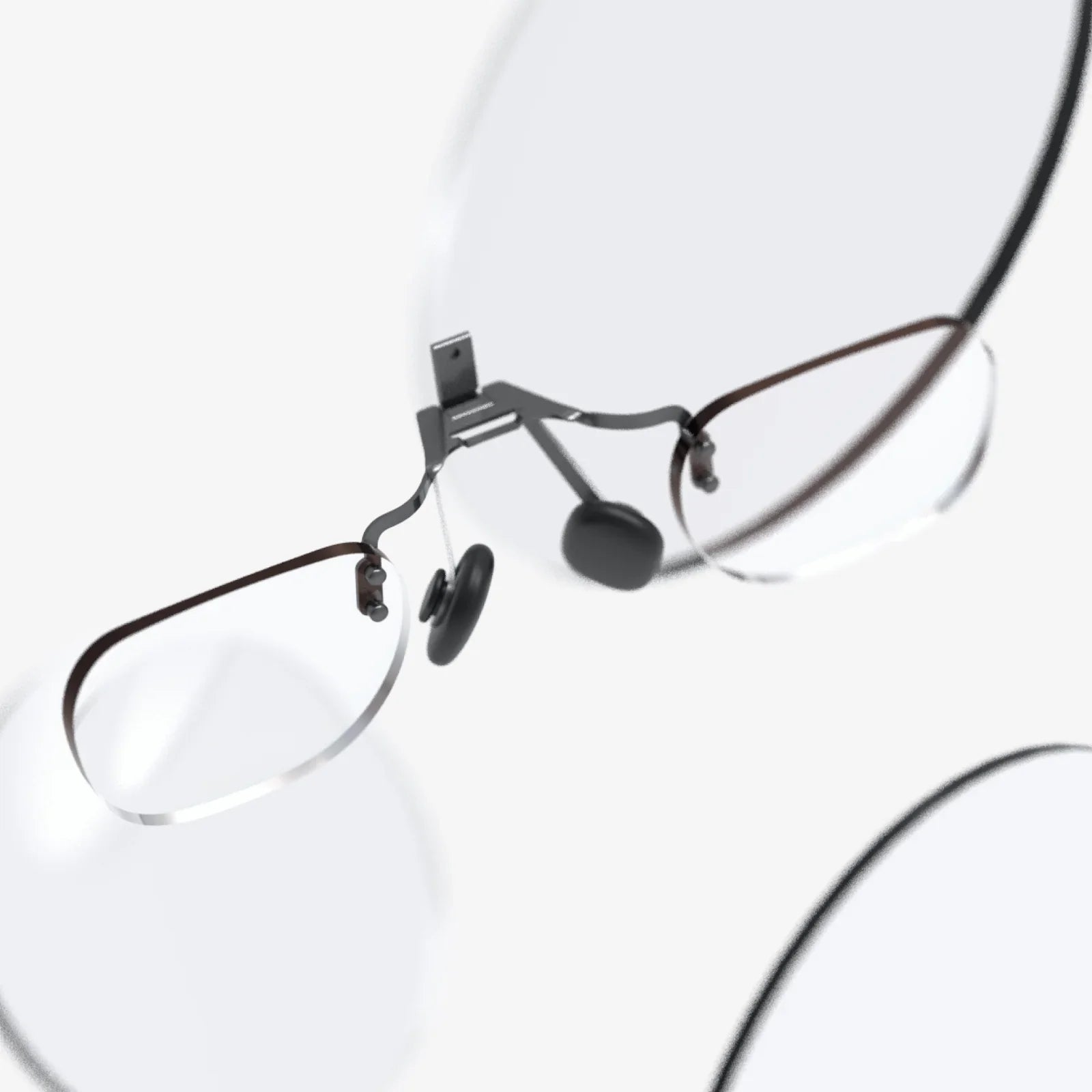
- by wangfred
Merge VR Virtual Reality Goggles: Your Portal to Immersive Digital Worlds
- by wangfred
Imagine holding an entire universe in the palm of your hand. With the advent of accessible virtual reality technology, this is no longer a concept confined to science fiction. The journey into immersive digital realms is now more attainable than ever, and leading this charge is a unique piece of hardware designed for exploration, education, and sheer enjoyment. The barrier to entry for experiencing the magic of VR has been dramatically lowered, inviting everyone to step through the portal and see the world—and other worlds—in an entirely new way.
For decades, virtual reality was a technology of tomorrow—promised, previewed, but perpetually out of reach for the average consumer. It was often associated with bulky, expensive headsets tethered to even more expensive computers, a playground only for hardcore gamers and well-funded research labs. This all began to change with the proliferation of powerful smartphones, which contained high-resolution displays, precise motion sensors, and powerful processors—all the essential ingredients for a VR experience. The missing link was a simple, affordable, and comfortable window to turn these pocket-sized computers into portals for immersion.
The innovation that followed was the development of head-mounted viewers, often made from affordable materials like foam and plastic, that could harness the power of a smartphone. Unlike complex systems that required external sensors and complicated setup procedures, these viewers offered a plug-and-play experience. Users could simply slide their smartphone into a holder, wear the headset, and instantly be transported. This democratization of VR technology opened the floodgates for creativity, allowing developers, educators, and artists to create experiences for a mass audience.
When examining any piece of technology, its design philosophy reveals its intended purpose. A key differentiator in this market is the approach to user comfort and engagement. Many viewers in this category prioritize a hands-free experience, but one product line stands out for its particular attention to detail, especially for a younger audience or for extended use.
The design often features a soft, flexible foam construction that is both lightweight and remarkably durable. This makes it significantly more comfortable for extended wear than rigid plastic alternatives, and far more resilient to the occasional drop or bump. The focus on a universal fit is paramount. An adjustable headstrap ensures a secure and comfortable fit for a wide range of head sizes, from children to adults, making it a truly shared experience for families and classrooms.
Perhaps the most ingenious design element is the inclusion of a large, open-faced interface. This design choice serves multiple critical functions. Firstly, it eliminates the feeling of claustrophobia that can sometimes accompany closed-face VR headsets, making the experience more welcoming for new users. Secondly, and most importantly, it allows for augmented reality (AR) interactions. Users can see their own hands and their real-world environment, enabling them to interact with virtual objects overlayed in their physical space. This blurring of the lines between the real and the virtual is where some of the most magical and educational applications are born.
While entertainment is a major driver of VR adoption, its potential in education is truly revolutionary. This is where a well-designed viewer truly shines, transforming abstract concepts into tangible, interactive experiences.
The tactile nature of the experience, combined with visual and auditory immersion, leads to significantly higher retention rates and engagement levels compared to traditional learning methods. It caters to a variety of learning styles, making education more inclusive and effective.
A VR viewer is merely a window; the content is the view. The ecosystem surrounding a device is what gives it life and purpose. A robust, curated library of applications and experiences is essential. This often includes access to a dedicated store or portal featuring hundreds of VR and AR experiences specifically optimized for the platform.
This content ranges from interactive storytelling and games to educational field trips and creative tools. Many experiences are designed to be intuitive, using a user's natural hand movements for interaction rather than requiring a separate controller. For example, an app might allow you to care for a virtual pet by physically reaching out to pet it, or to explore a human cell by using your hands to zoom in and rotate the structure.
Furthermore, compatibility with standard video platforms allows users to experience 360-degree videos and photos, from diving with sharks to attending a live concert on the other side of the world. This vast and growing library ensures that the device remains relevant and engaging long after the initial novelty has worn off, continuously providing new worlds to explore.
In an age where screen time is often a solitary activity, this form of VR encourages a different dynamic. The open-face design and quick, easy setup make it a social and shared experience. Parents can watch what their child is seeing in the virtual world by simply looking at the smartphone screen, and they can easily interact with the child in the real world. This shared visual space allows for guided exploration and conversation.
Families can explore virtual worlds together, solve puzzles, or learn about dinosaurs side-by-side. It becomes a catalyst for shared enjoyment and discovery rather than an isolating activity. The durability and ease of use also mean it can be passed around freely without worry, making it a centerpiece for family game nights or classroom activities.
The technology behind smartphone-based VR continues to evolve. As smartphones gain more processing power, higher resolution displays, and better sensors, the quality of the experiences will only improve. We are moving towards a future where the line between standalone VR headsets and smartphone-powered viewers may blur, with accessories offering inside-out tracking and even more interactive capabilities.
The core philosophy, however, will remain: to provide an accessible, affordable, and comfortable gateway into virtual reality. This approach ensures that the next generation of creators, scientists, and explorers will have the tools they need to experience, understand, and ultimately shape the digital frontiers of tomorrow. It's not about replacing reality, but about augmenting it, enhancing our understanding, and expanding our horizons.
You've seen the videos and heard the stories, but nothing prepares you for the moment you first slip on a headset and reach out to touch a digital creation made real. The classroom transforms into a cosmos, your living room into a laboratory, and a simple smartphone into a gateway to infinite possibilities. This is the promise of accessible virtual reality, and the adventure is just beginning. The next click you make could launch you into a dimension where learning feels like play and the entire world is literally at your fingertips.
Share:
What Is Needed for Virtual Reality: The Ultimate Hardware and Software Guide
Why Use Virtual Reality: Unlocking Immersive Potential