


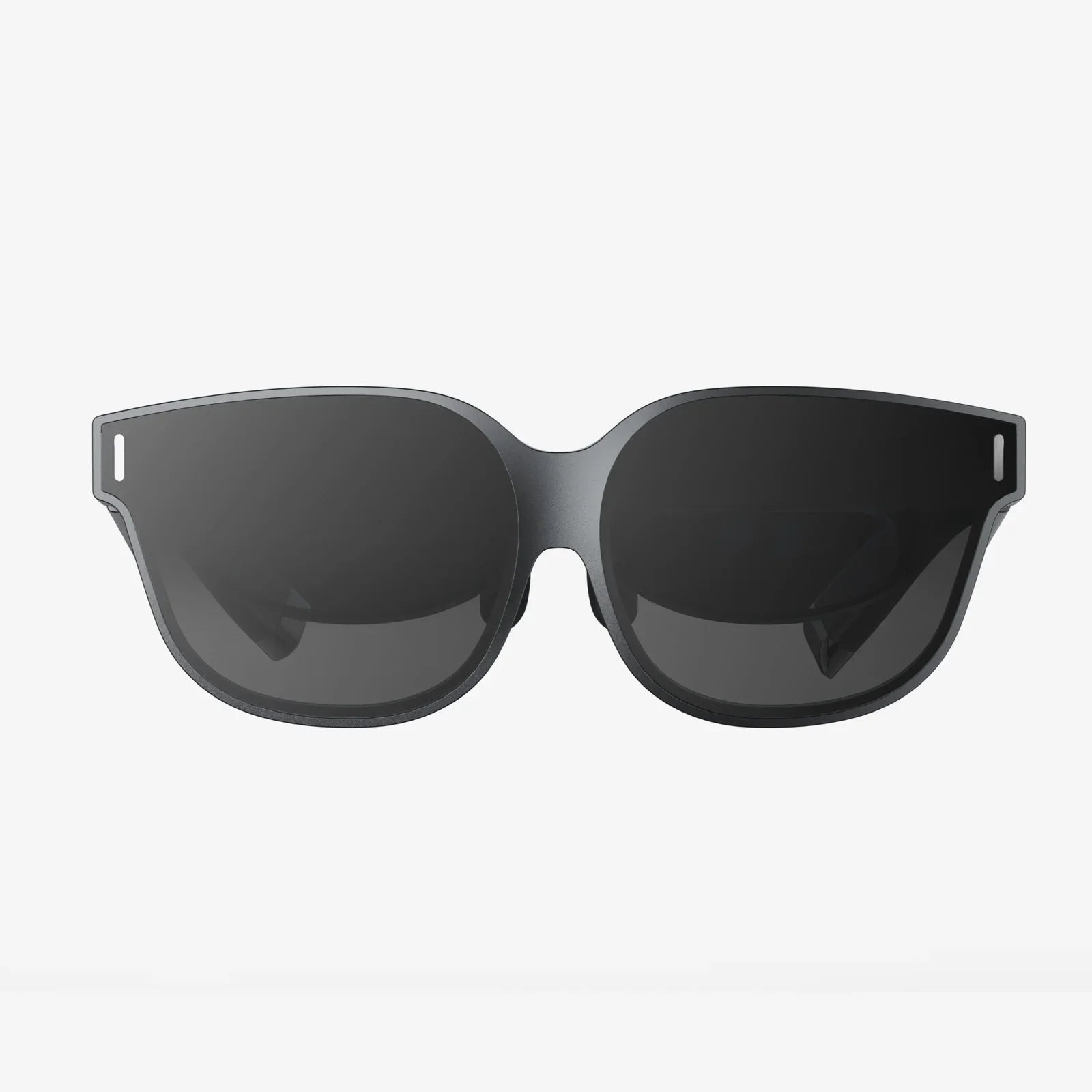
The line is blurring. It’s no longer a question of if the digital and physical worlds will merge, but how and to what end. For decades, virtual reality promised an escape—a means to leave our world behind for a meticulously constructed digital one. But the next great leap isn't about escape; it's about augmentation, integration, and ultimately, a profound synthesis. We are embarking on the monumental task of merging virtual reality and reality, a technological evolution that will dissolve the boundaries between atoms and bits, creating a new, hybrid layer of existence often termed the pervasive simulation or the metaverse. This isn't just a new gadget; it's a new paradigm for human experience.
From Pixels to Presence: The Evolution of Immersive Tech
The journey to this point has been one of incremental, yet accelerating, progress. Early virtual reality was defined by clunky headsets, low-fidelity graphics, and a distinct feeling of separation from the digital environment. It was a window into another world, but the glass was thick and the frame was obvious. The goal was total immersion, convincing your brain you were somewhere you physically were not.
Parallel to this, augmented reality emerged, aiming not to replace the world but to annotate it. Early iterations were simple—hockey puck overlays on sports broadcasts or rudimentary smartphone apps that placed a digital dinosaur in your living room. The promise was clear: a world where information is contextually layered over your immediate surroundings.
The true fusion began when these two paths started to intersect. Advancements in photorealistic rendering, spatial mapping, and wearable technology created the foundation. The key breakthrough was the shift from seeing a digital world to having the digital world see you. With the integration of depth-sensing cameras, LiDAR, and advanced computer vision, our devices began to understand the geometry, physics, and content of our environment in real-time. This allows for a digital object to not just appear in a room, but to occlude correctly behind a real sofa, cast a shadow consistent with the room's lighting, and even interact with physical surfaces. This seamless blending is the technical heart of the merger.
The Architectural Pillars of a Merged Existence
Building this unified reality requires several foundational technologies working in concert. It is a symphony of hardware and software, each component critical to the overall experience.
Spatial Computing and The 3D Internet
At its core, this merger is a computing problem. Spatial computing refers to the practices and technologies that allow computers to enter and interact with our three-dimensional world. It involves creating a digital twin of physical spaces—a live, updating 1:1 model that understands dimensions, objects, and even materials. This digital twin acts as the canvas upon which the virtual layers are painted. The internet itself is evolving from a web of pages (2D) to a web of spaces (3D), where we don’t browse but instead inhabit and navigate.
Wearable Form Factors: Beyond the Headset
While today's headsets are powerful, the endgame for merging realities is technology that is socially acceptable, comfortable, and always available. This means a progression from today's headsets to more lightweight glasses and eventually to even more subtle interfaces like smart contact lenses or neural interfaces. The hardware must fade into the background, becoming an unobtrusive part of our daily wear, allowing the blended experience to become a continuous thread throughout our day, not a session we dip into.
Haptic Feedback and Embodied Interaction
A visual and auditory merger is only half the experience. For the simulation to feel real, we must be able to touch it. Haptic technology, which provides tactile feedback, is rapidly advancing. From gloves that simulate the resistance and texture of a virtual object to full-body suits that can convey impact or temperature, the goal is to convince your body as well as your mind. This embodied interaction—where your natural gestures manipulate digital elements—is crucial for breaking down the final barriers between real and virtual actions.
Transforming the Fabric of Society: Use Cases Beyond Gaming
The implications of this technological shift extend far beyond entertainment. It promises to revolutionize core aspects of human civilization.
The Future of Work and Collaboration
Imagine a global team of engineers inhabiting a full-scale, holographic model of a new jet engine, pointing to specific components and seeing real-time data and simulations flow over them. Or a surgeon in one country being guided through a complex procedure by a specialist whose holographic hands appear overlayed on the patient, indicating precisely where to cut. Remote work will evolve from flat video calls to shared virtual workspaces where body language and spatial presence are retained, making collaboration more natural and effective than ever before.
Revolutionizing Education and Training
Learning will transition from reading about history to walking through a historically accurate recreation of ancient Rome. Medical students will practice surgeries on virtual patients that bleed and react with physiological accuracy. Mechanics-in-training will see step-by-step instructions and part labels appear over the actual engine they are repairing. This learning-by-doing in a risk-free, yet highly realistic, environment will dramatically accelerate skill acquisition and deepen understanding.
Redefining Social Connection and Storytelling
Social media will evolve from timelines and feeds to shared experiences. Instead of posting a photo from a concert, you might invite a friend to experience it as a hologram standing next to you. Storytelling will become experiential; you won't watch a mystery unfold on a screen, you will be a character walking through the environment, discovering clues firsthand. This creates a new form of empathy and shared experience that transcends geographical isolation.
The Precipice: Ethical and Societal Challenges
With such transformative power comes profound responsibility. The path to merging realities is fraught with challenges that we must confront head-on.
The Privacy Paradox
If our devices are always on, mapping our homes, offices, and public spaces, the potential for surveillance is unprecedented. Every object we look at, every interaction we have, and even our biometric responses could be captured and analyzed. Establishing robust digital rights, data ownership frameworks, and ethical guidelines for what can be recorded and how it can be used is perhaps the single greatest challenge of this new era.
The Reality Divide
There is a very real risk of creating a new socio-economic chasm: the Reality Divide. Access to this enhanced world will likely come at a cost, potentially creating a class of individuals who can afford augmented cognition, perception, and opportunities, and those who cannot. This could exacerbate existing inequalities in education, employment, and social mobility. Ensuring equitable access must be a core consideration.
Identity, Agency, and Mental Health
When reality is malleable, our sense of self can become unstable. Who are we in a world where we can change our appearance, our environment, and even the rules of physics at will? The potential for addiction to idealized virtual worlds is significant, as is the danger of manipulation through altered or fabricated realities (so-called "hyperstition"). Preserving mental well-being, critical thinking, and a grounded sense of identity will be paramount.
A New Lens on Existence
The project of merging virtual reality and reality is not about building a better screen; it is about building a better lens. It is a tool for enhancing human perception, for allowing us to see the data, the stories, and the connections that are already there but are invisible to our naked senses. It is the next step in a long human tradition of using technology to extend our capabilities, from the telescope to the internet. We are building a nervous system for the planet, a way for humanity to interface with information and with each other in a more intuitive, embodied, and powerful way. The goal is not to abandon the physical world, but to understand it more deeply, to care for it more effectively, and to experience its wonders in ways we have never before dreamed possible.
We are not just users logging into a system; we are architects shaping a new realm. The choices we make today—the ethics we encode, the standards we set, and the inclusivity we design for—will determine whether this merged reality becomes a dystopian trap or the most powerful tool for human progress and connection ever created. The threshold is here. Step through, and see the world not as it is, but as it could be.
Share:
Is True Virtual Reality Possible? Exploring the Ultimate Digital Frontier
Subtopics of Virtual Reality: Exploring the Expansive Digital Frontier